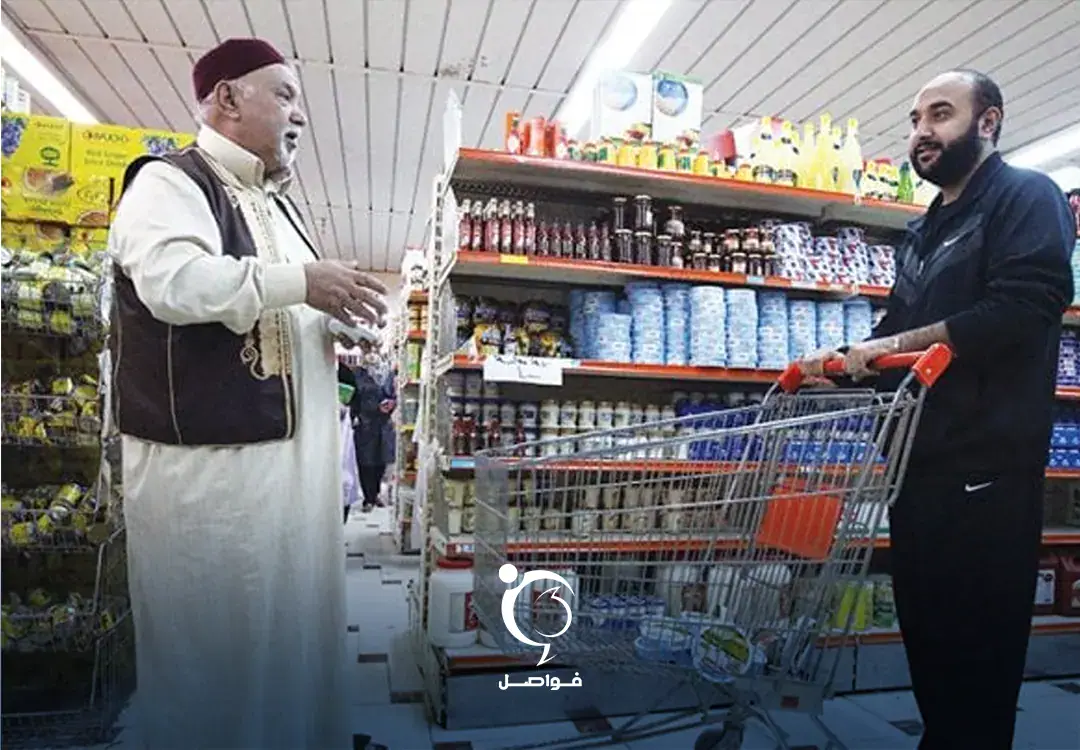
Libya is experiencing pressure on its food supplies due to challenges in obtaining documentary credits and a surge in the dollar's value on the parallel market. The dollar's value has risen to 11 dinars, widening the gap with the official exchange rate. This has resulted in a shortage of some essential food items, including cooking oils, flour, and cheese.
According to Sand Al-Warfali, director of branches in the western region of the Rihan Food Company, the shortage of certain food items is linked to the halt in documentary credits and difficulties in obtaining them. He explained that factories and companies are prioritizing the import of raw materials necessary for production over finished goods. Al-Warfali noted that his company focuses on local manufacturing of products such as tomatoes, hummus, beans, and peas.
The Rihan Food Company continues to distribute its products in markets, particularly in Tripoli and Benghazi, and focuses on selling to retailers to ensure that products reach consumers. In contrast, businessman Hossni Bey stated that it is difficult to confirm a general shortage of food items without reliable data from markets and suppliers. He suggested that some goods may experience temporary supply bottlenecks.
Libyan Parliament Speaker Saleh Abd al-Nabi has proposed preparing an annual import budget in foreign currency to determine the country's needs for essential goods, including sugar, flour, and rice. He recommended allocating the budget into four quarterly installments and obliging the Central Bank of Libya to adhere to the set budget and not open additional credits after exhausting the allocated amounts.
The Central Bank of Libya announced on November 15 that it would prioritize documentary credits for food items, medicines, and fodder, in coordination with the Ministry of Economy. The bank confirmed that it would continue to notify banks of approvals weekly until the end of the year to ensure a steady supply of goods to the market.
The current challenges facing Libya's food supplies have raised concerns about the potential for shortages and price increases. The country's reliance on imports makes it vulnerable to fluctuations in the global market and exchange rates. Efforts to address these challenges, including the proposed import budget and the Central Bank's prioritization of essential goods, aim to mitigate the impact on consumers.
The situation highlights the need for effective management of Libya's economy, including the allocation of foreign currency and the regulation of imports. The country's authorities will need to balance the competing demands of different sectors and ensure that essential goods are available to meet the needs of the population. Key points include the need for a stable exchange rate, reliable data on food supplies, and effective coordination between government agencies.
Key points
- Delays in documentary credits and a rising dollar are affecting food supplies in Libya.
- The Central Bank of Libya is prioritizing credits for essential goods, including food items and medicines.
- A proposed annual import budget aims to determine the country's needs for essential goods and manage foreign currency allocations.
Reporting sources
- تعثر الاعتمادات وارتفاع الدولار يضغطان على إمدادات الغذاء في ليبيا · fawaselmedia.com