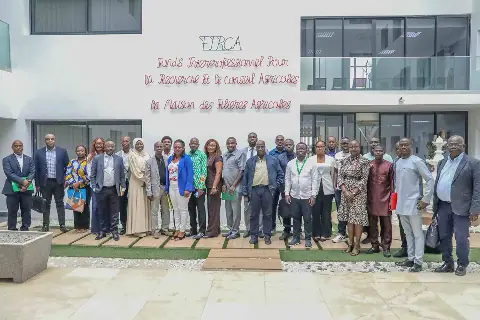
The Minister of Agriculture and Food Security, Abubakar Kyari, has announced that prices of some essential food commodities in Nigeria have fallen by as much as 50 per cent compared to their levels before 2023. This revelation was made during the opening of a Community of Practice Meeting in Maiduguri, involving commissioners responsible for agriculture, health, environment, and rural development from across Nigeria. The meeting was organised by the Federal Ministry of Agriculture and Food Security in partnership with the Borno State Government, with support from the German government.
The Community of Practice Meeting, themed “Stronger Partnerships for a Food Secure Nigeria,” aimed to focus on strengthening Nigeria’s food production and food security. The minister emphasized that the Federal Government’s goal was to increase food production, make food more affordable, strengthen rural economies, and build a more resilient food system. He cited the reduction of up to 50 per cent in prices of some essential food commodities, alongside expanded input delivery, investment in rural infrastructure, and support to smallholder farmers.
According to Kyari, President Bola Tinubu’s administration had made food security a major priority. He urged Nigerians to assess the government’s performance using available data rather than politicising the rising cost of living. The minister encouraged citizens to compare the prices of food items in 2023 to their current prices, stressing the need for an honest evaluation.
The Maiduguri meeting also examined the Kampala Comprehensive Africa Agriculture Development Programme (CAADP) Declaration and its Strategy and Action Plan for 2026–2035. The Kampala framework covers sustainable food production, investment, financing, food and nutrition security, trade, inclusion, climate resilience, and improved governance. This initiative aims to address various challenges facing Nigeria's agricultural sector.
Kyari mentioned that Nigeria had already developed and validated a 10-year National Agrifood System Strategy and Action Plan to implement its commitments under the CAADP framework. This strategy is expected to guide the country's efforts to achieve food security and improve agricultural productivity. The plan outlines specific actions and targets for the next decade.
The minister's announcement comes as a relief to many Nigerians who have been affected by the rising cost of living. Food prices have been a major concern in the country, with many households struggling to afford basic necessities. The reported decline in food prices could help alleviate some of the economic pressures faced by citizens.
The Federal Government's efforts to address food security and improve agricultural productivity are ongoing. The Community of Practice Meeting in Maiduguri brought together stakeholders from across Nigeria to discuss strategies and best practices for achieving a food-secure future. The government is working to build partnerships and mobilize resources to support the agricultural sector.
Key points
- Food prices in Nigeria have fallen by up to 50% since 2023.
- The Federal Government is working to increase food production and make food more affordable.
- Nigeria has developed a 10-year National Agrifood System Strategy and Action Plan to achieve food security.