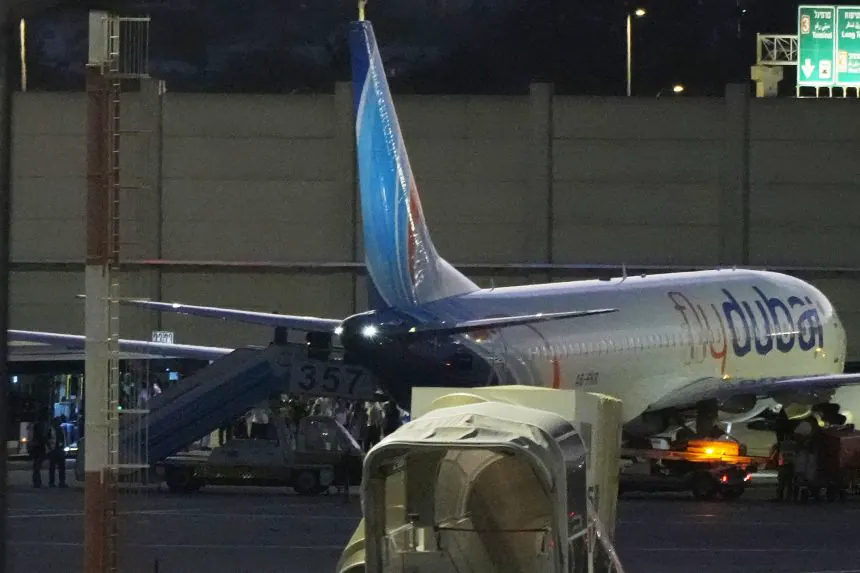
An Omani pilot identified as Hamam al-Hammami, suspected of attacking a colleague on a Tel Aviv-bound Flydubai flight, had previously been employed at Oman Air and Royal Air Maroc. According to sources, al-Hammami was removed from Oman Air due to concerns about his extremist views. His LinkedIn profile, now deleted, listed seven years at Oman Air ending in February 2025, followed by a stint at Royal Air Maroc from June 2025 to January 2026.
A regional diplomat confirmed that al-Hammami was reassigned within Oman Air after being removed from flight training because of his radical views. Israeli Prime Minister Benjamin Netanyahu stated that the suspect had undergone "Islamist radical indoctrination." An Israeli official revealed that al-Hammami worked for Flydubai for only eight months before the incident. The pilot's background includes being born in the United Arab Emirates to an Omani father and Syrian mother.
Al-Hammami spent several years living in the UAE. Analysis of his deleted social-media accounts found extremist content, including videos of Israeli airline cockpits and images of al-Qaeda figures, posted shortly after the incident. The UAE attorney general opened an investigation into possible terrorist links, citing the aircraft's registration in the United Arab Emirates and the applicability of UAE law to crimes on its planes.
Israeli officials said multiple agencies, including Shin Bet and Mossad, are probing how an Omani citizen was allowed to serve on a flight to Tel Aviv, given Israel's strict aviation security standards. The incident has raised concerns about the vetting process for pilots and the potential for extremist individuals to infiltrate the aviation industry.
Flydubai declined to comment while the investigation remains ongoing. CNN has sought responses from Oman Air, Royal Air Maroc, and Dubai's media office. The airline's silence has sparked speculation about the circumstances surrounding al-Hammami's employment and the incident on the Tel Aviv-bound flight.
The incident has also raised questions about the security measures in place for flights to and from Israel. The country's aviation security standards are considered to be among the strictest in the world, and the fact that an individual with a history of extremist views was able to obtain a pilot's position has sparked concerns about the effectiveness of these measures.
The investigation into al-Hammami's background and the incident is ongoing, with multiple agencies working to determine how he was able to obtain a pilot's position and what measures can be taken to prevent similar incidents in the future. The incident has highlighted the need for continued vigilance and cooperation between airlines, governments, and security agencies to ensure the safety of air travel.
Key points
- The pilot, Hamam al-Hammami, had prior employment at Oman Air and Royal Air Maroc before joining Flydubai.
- Al-Hammami was removed from Oman Air due to concerns about his extremist views.
- The incident has raised concerns about the vetting process for pilots and the potential for extremist individuals to infiltrate the aviation industry.