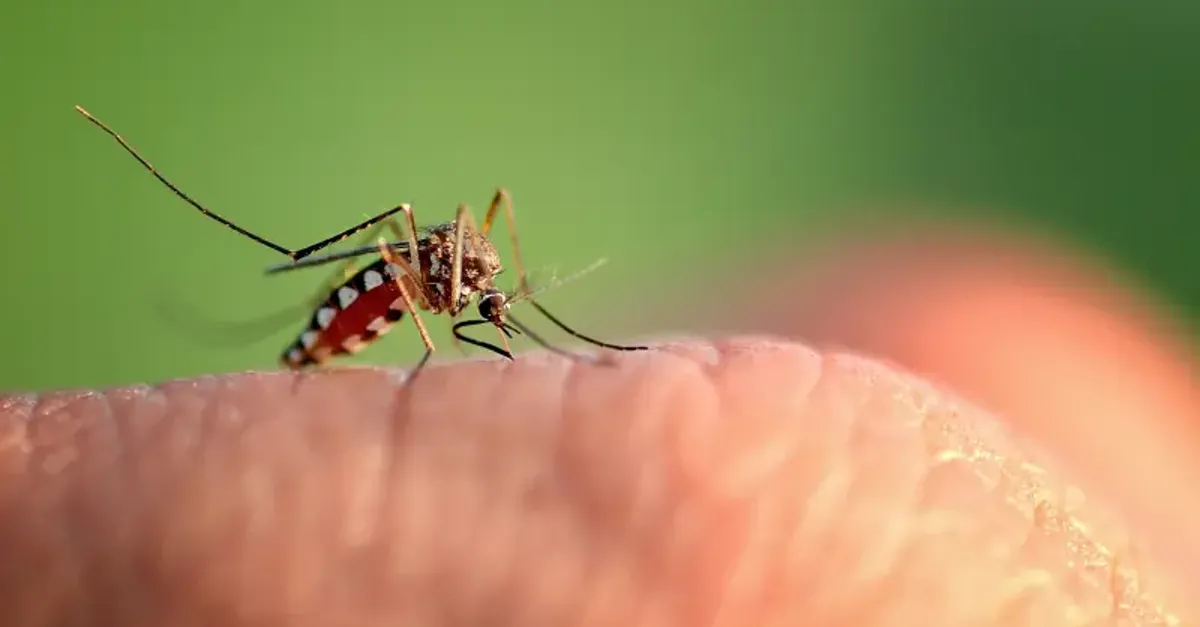
Health officials in Florida have declared a local state of emergency due to a dengue fever outbreak. The viral disease has spread rapidly in the United States, with a record number of cases reported. Dengue fever is a viral infection transmitted to humans through bites from infected mosquitoes, primarily in tropical and subtropical regions. According to the World Health Organization, between 100 and 400 million people worldwide are infected with dengue fever annually.
The Florida Department of Health reported 190 local cases and one death in several counties, including Pinellas and Hillsborough. Additionally, 26 travel-related cases were reported, bringing the total number of cases to 392 since the beginning of the year. This is the second-largest outbreak in the United States in recent years, with the number of cases being the second-highest in the state's history. In 2023, 199 cases were reported, significantly higher than the 62 cases reported in the previous year.
Most cases in Florida are linked to recent travel to high-risk areas worldwide, including the Caribbean, Central and South America, Southeast Asia, and Pacific islands. Experts believe that the current outbreak in Florida is attributed to several factors, including the proximity to areas where dengue fever is prevalent, such as Puerto Rico, heavy rainfall, and rising temperatures that facilitate the rapid breeding of mosquitoes.
According to the US Centers for Disease Control and Prevention, dengue fever symptoms include high fever, severe headache, and pain behind the eyes, as well as muscle and joint pain. The disease is often referred to as "bone-breaking fever" due to its severe symptoms. Other symptoms include skin rash, nausea, vomiting, and stomach upset. Severe cases of dengue fever can lead to severe abdominal pain, repeated vomiting, and bleeding.
In response to the outbreak, Florida has deployed mosquito control personnel to affected counties to conduct community outreach, inspect homes, and monitor mosquito populations. Regular inspections, mosquito trapping, and testing are also being carried out. Although these new cases have not led to larger outbreaks in the United States, they indicate an increased risk of infection, emphasizing the need for enhanced surveillance, vector control, and public health preparedness.
The mosquito species responsible for transmitting dengue fever in Florida is the Aedes aegypti mosquito. This species is commonly found in tropical and subtropical regions and is known to transmit other diseases such as Zika and chikungunya. Health officials are urging residents and visitors to take precautions to prevent mosquito bites, including using insect repellents, wearing protective clothing, and eliminating standing water around homes.
The Florida Department of Health is working closely with local authorities and mosquito control agencies to monitor the situation and respond to the outbreak. Residents and travelers are advised to be aware of the risks associated with dengue fever and take steps to prevent mosquito bites. The department is also providing education and outreach to communities to raise awareness about the disease and its prevention.
Key points
- Florida declares local state of emergency due to dengue fever outbreak with 190 local cases and one death reported.
- The outbreak is attributed to several factors, including proximity to high-risk areas, heavy rainfall, and rising temperatures.
- Health officials urge residents and visitors to take precautions to prevent mosquito bites and eliminate standing water around homes.