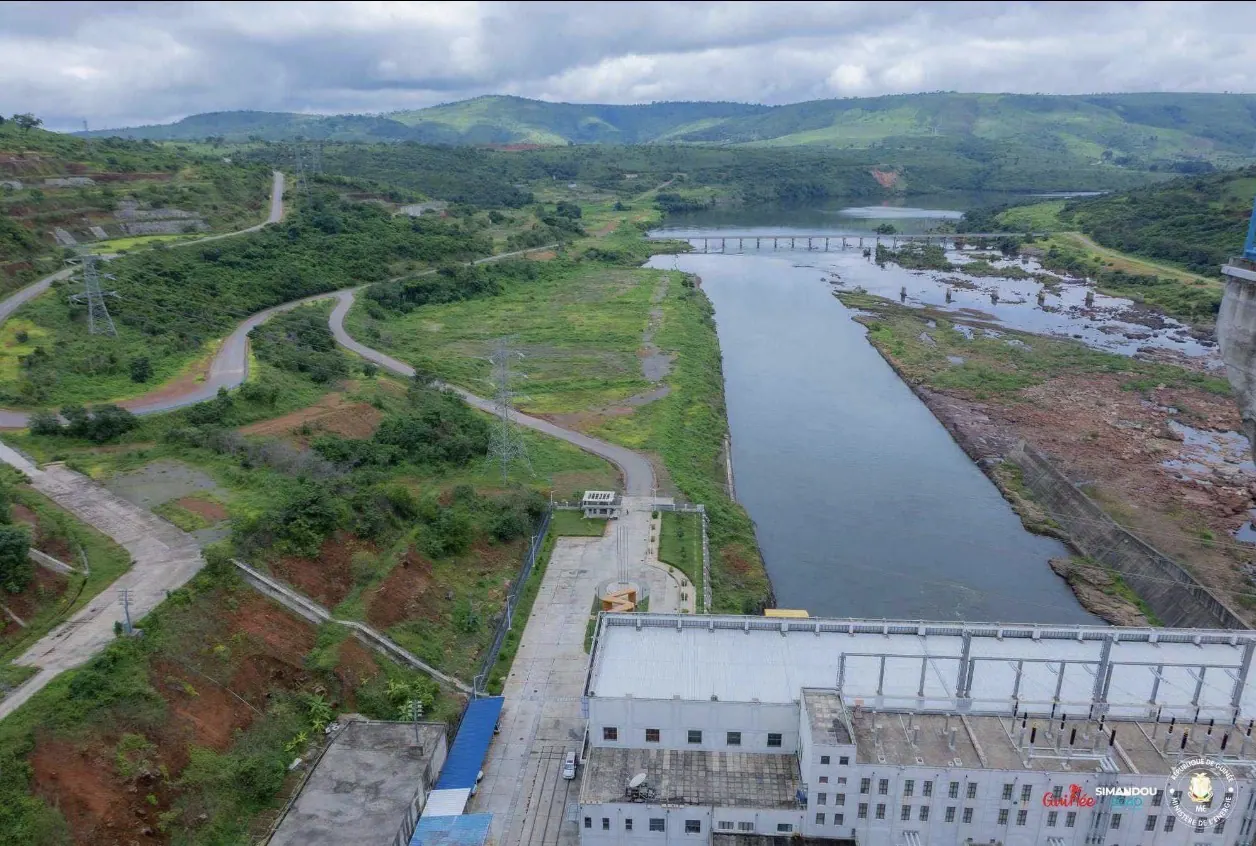
In Bangouya, Guinea, communities relocated due to the Souapiti hydroelectric dam's construction face a new challenge. Heavy rainfall on September 17, 2026, caused the dam's reservoir to overflow, submerging several hectares of crops in the Tènè Yangoyah sector. Rice, fonio, peanuts, and other staple crops were affected, leaving families worried about food shortages and loss of livelihoods. The disaster compounds the difficulties faced by populations already displaced by the dam's construction.
The Souapiti dam's construction led to the relocation of several riverine communities, who were forced to abandon their ancestral lands, agricultural fields, and plantations. However, the new lands allocated to them have proven inadequate for agricultural production. The affected populations accuse the Société de Gestion et d’Exploitation de Souapiti (SOGES) of not providing fair compensation for losses incurred during the relocation. Many claim that some assets, such as fields, gardens, and fruit trees, were not fully accounted for or compensated.
Fodé Mohamed Sylla, head of the Yangoyah district, expressed the affected populations' distress. He stated that despite being displaced to provide electricity for the country, the communities received inadequate compensation. Sylla mentioned that some houses and trees were not even registered, and those that were, received incomplete payments. He warned that the consequences of this new disaster could be severe for families dependent on agriculture.
The flooding has significant implications for food security in the region. With crops destroyed, families face an uncertain future, and the economic and social impacts are likely to be substantial. The affected populations are calling for urgent intervention from authorities to assess the damage, identify those affected, and provide immediate assistance. They also demand a review of the compensation process for losses incurred during the dam's construction.
The situation highlights the ongoing challenges faced by relocated communities in Bangouya. Several years after their displacement, they continue to struggle with inadequate land and insufficient compensation. The affected populations emphasize that electricity production should not come at the cost of their livelihoods. They urge authorities to address their concerns and find a sustainable solution.
According to local reports, the flooding occurred just weeks before the main harvest, exacerbating concerns about food vulnerability in the affected areas. The disaster has left many families without a source of food or income, further increasing their vulnerability. The communities are counting on the authorities to provide support and alleviate their suffering.
As the situation unfolds, the affected populations are advocating for a comprehensive response to their plight. They seek not only immediate assistance but also long-term solutions to ensure their food security and livelihoods. The incident serves as a reminder of the importance of considering the needs and concerns of local communities in large-scale development projects.
Key points
- Flooding in Guinea's Bangouya has destroyed crops, threatening food security for relocated communities.
- Affected populations accuse SOGES of inadequate compensation for losses incurred during the Souapiti dam's construction.
- Communities demand urgent intervention from authorities to address their needs and concerns.