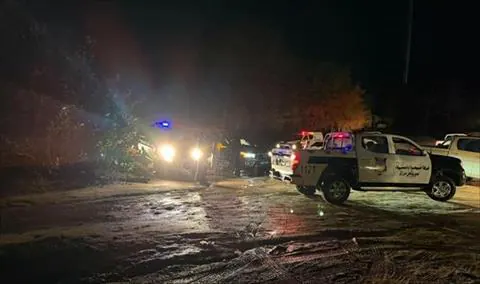
The city of Marzouk in Libya is struggling to cope with the aftermath of heavy rains that have left residents without power or fuel. The outages have lasted over 24 hours, with the electricity network suffering faults and some areas being disconnected due to water accumulation. The situation is being closely monitored by local authorities, who are working to restore power and provide essential services to the affected population.
The lack of fuel, particularly "n afta," is posing significant challenges to emergency response teams and essential services. The city's public relations office has called for urgent intervention from relevant authorities to provide the necessary quantities of fuel to the city. The situation is being exacerbated by the ongoing efforts to deal with the aftermath of the rains and water accumulation.
Three people, including two children and one man, have died as a result of the rains and subsequent damage. The fatalities occurred when walls and roofs of homes collapsed on them. Several families have been evacuated from affected areas, with most taking temporary shelter with relatives in other areas. Emergency teams are continuing to work to pump out water and assess the damage.
An emergency room has been set up, comprising the municipal council, security forces, and various service providers. A committee has also been established to assess the damage to homes, facilities, and properties. The city's hospital is currently closed for maintenance, with medical services being provided at a temporary facility.
The city's residents are facing significant challenges in the wake of the floods. The situation is being closely monitored by local authorities, who are working to provide essential services and support to those affected. The Libyan government has been urged to provide assistance to the city to help it recover from the disaster.
The floods have highlighted the need for improved infrastructure and emergency preparedness in the city. The government has been criticized for its response to the disaster, with many residents calling for more support and resources to be allocated to affected areas. An investigation into the cause of the floods and the response to them is expected to be launched.
The international community has offered support and assistance to Libya in the wake of the floods. The United Nations and other aid agencies have pledged to provide humanitarian assistance to those affected by the disaster. The Libyan government has welcomed the offers of support and is working to coordinate the response to the disaster.
Key points
- The city of Marzouk is facing significant challenges in the wake of the floods, including power outages, fuel shortages, and damage to homes and infrastructure.