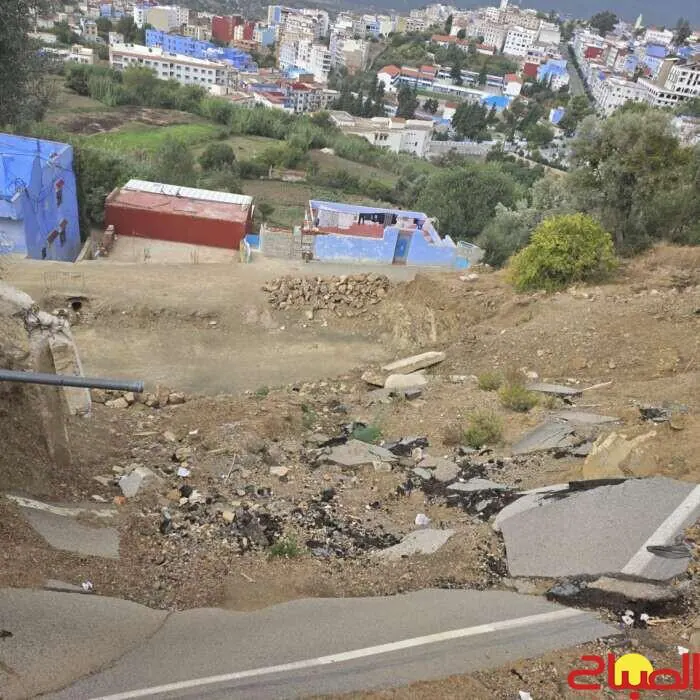
The Chefchaouen region in Morocco is reeling from the effects of severe flooding and heavy rainfall, which has damaged infrastructure and isolated several rural areas. The region has been experiencing torrential rains, causing soil erosion, landslides, and damage to roads. The floods have resulted in the closure of several key roads, including the national road number 2, which connects Chefchaouen to Bab Berd.
The floods have had a significant impact on the region's transportation network, with several roads and highways rendered impassable. The road to the popular tourist destination of Ras el-Maa has been closed, affecting the local tourism industry. The closure of roads has also caused damage to dozens of homes in rural areas, exacerbating the isolation of local residents and disrupting trade and tourism.
The region's infrastructure has been criticized for being inadequate, with many residents and activists calling for urgent repairs and improvements. The floods have highlighted the need for better infrastructure, including drainage systems and roads, to mitigate the effects of extreme weather events. The local authorities have been urged to take immediate action to address the situation and prevent further damage.
The floods have also affected several residential areas and administrative facilities, with many homes and businesses impacted by the closures. The situation has been further complicated by the presence of informal settlements and the occupation of public land, which has contributed to the degradation of the urban environment and hindered the movement of people and goods.
Local activists and residents have expressed frustration at the lack of progress in addressing the region's infrastructure challenges, citing a lack of effective action by local authorities over the past seven months. They have called for greater accountability and action from the local council and authorities to address the situation and prevent similar incidents in the future.
The situation in Chefchaouen has sparked demands for urgent intervention from local authorities to restore access to isolated areas and enable residents to carry out their daily activities. The authorities have been urged to honor their election promises and take concrete actions to address the region's infrastructure challenges and promote sustainable development.
The floods in Chefchaouen have highlighted the need for a comprehensive approach to addressing the region's infrastructure challenges, including the development of effective drainage systems, road maintenance, and the prevention of informal settlements. The local authorities face a significant challenge in responding to the needs of the affected communities and restoring the region's infrastructure to a safe and functional state.
Key points
- The floods have damaged infrastructure and isolated rural areas in Morocco's Chefchaouen region.
- Local activists and residents are calling for urgent repairs and improvements to the region's infrastructure.
- The situation has sparked demands for greater accountability and action from local authorities.