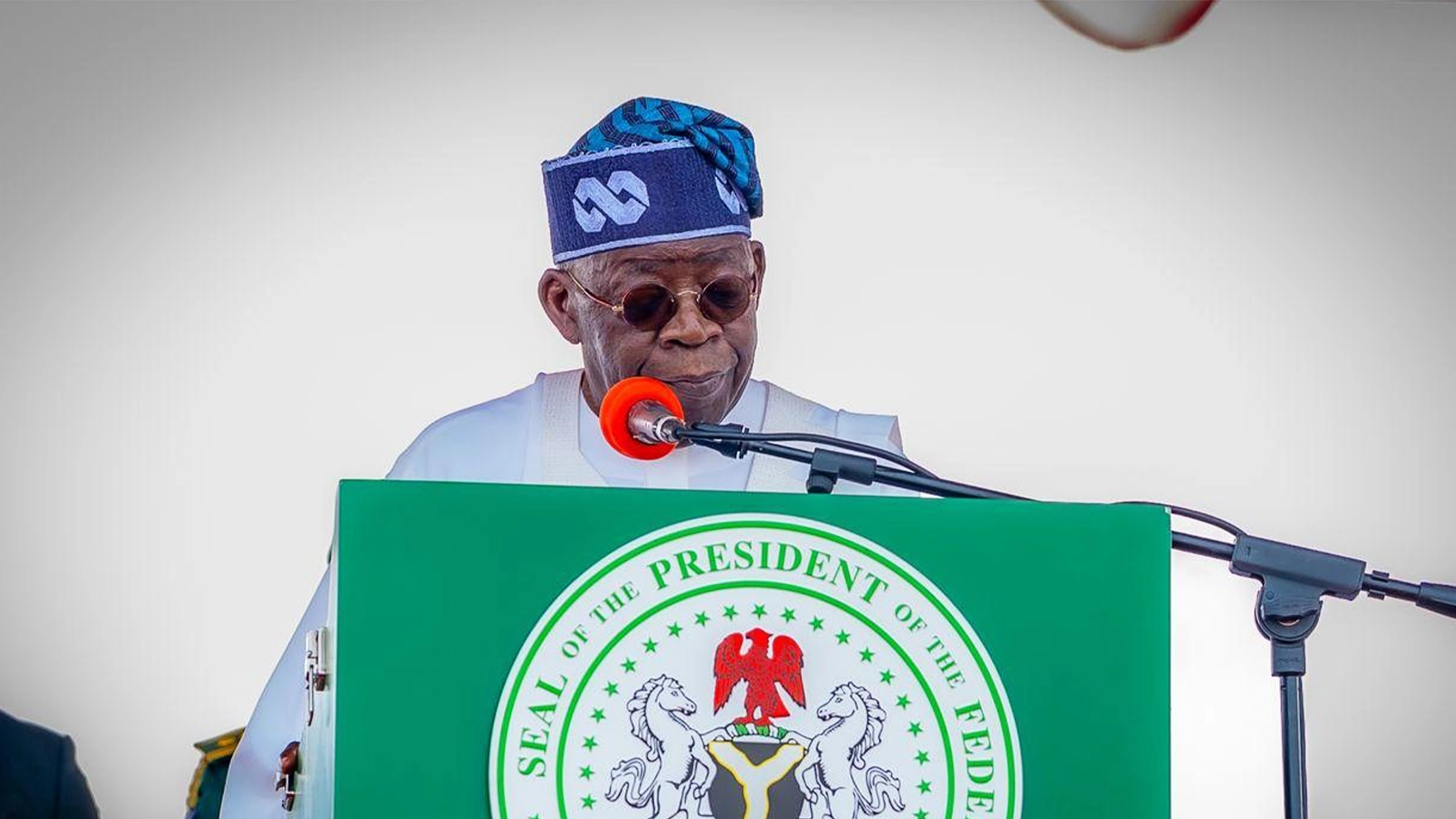
The Presidency of Nigeria has given assurance that the proposed state police system will be designed to prevent personal abuse and influence by individual office holders. This statement was made by Nnadubem Moghalu, Secretary of the Presidential Working Group on the National Policing Bill, at the second Annual Distinguished Parliamentarian Lecture in Abuja. The lecture, themed ‘Imperative of State Police: Securing Communities, Strengthening Federalism’, was organized by the House of Representatives Press Corps.
Four states in Nigeria have approved the Constitution amendment bill seeking to establish state police. According to Moghalu, these states are Edo, Oyo, Osun, and Rivers. He noted that the constitutional process requires at least 24 of the 36 Houses of Assembly to approve the bill before it can proceed. The National Assembly had transmitted the bill to the state assemblies as part of the constitutional alteration process.
The proposed National Policing Bill aims to define responsibilities clearly, establish accountability mechanisms, and ensure that institutions responsible for enforcing them have the capacity to do so. Moghalu emphasized that the framework is being drafted to build a system that is as immune to the personal foibles of individuals as possible. This move is intended to address concerns about possible abuse of state police.
The current policing structure in Nigeria is centralized and overstretched, with about 380,000 police officers for a population of more than 200 million. This translates to roughly one officer for every 650 citizens. However, about 180,000 officers perform special protection and administrative duties, leaving roughly 200,000 for core policing functions. Moghalu noted that this results in a ratio of one police officer for every 1,000 citizens.
Under the proposed dual policing model, state police would handle state-level offences within their territories, while the federal police would retain responsibility for crimes that cross state boundaries or require national coordination. Matters such as human trafficking, cybercrime, and offences with international implications would remain under federal jurisdiction. The two levels of policing would need to work closely, with technology playing a major role in ensuring that criminals cannot evade justice.
Funding for state police would be based on the priority that states attach to security. Moghalu stated that states would support policing according to their priorities, noting that many governors already spend substantial resources supporting federal security agencies in their states. The Speaker of the House of Representatives, Tajudeen Abbas, commended the Press Corps for creating a platform for national discussion on the issue.
The implementation of state police is expected to strengthen federalism and community security in Nigeria. Moghalu argued that state police had become necessary due to the existing centralized policing structure. The proposed system aims to ensure that institutions responsible for enforcing the law have the capacity to do so, and that criminals cannot evade justice by moving from one jurisdiction to another.
Key points
- The proposed state police system in Nigeria will be structured to prevent personal abuse and influence by individual office holders.
- Four states have approved the Constitution amendment bill seeking to establish state police.
- The proposed dual policing model will see state police handle state-level offences, while federal police handle crimes that cross state boundaries.