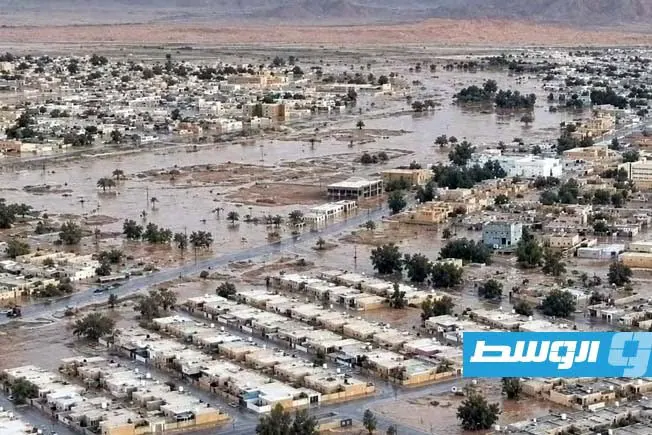
A low-pressure system brought heavy rainfall to western Libya on September 25, 2026, causing flash floods in several areas. The National Center for Meteorology had forecast heavy rainfall and thunderstorms in the region, particularly in the northwest and south. The city of Mizda was severely affected, with streets inundated with water. Residents took to social media to share images and videos of the flooding.
The flash floods caused significant disruptions to daily life in the affected areas. In the town of Batn al-Jabal, a video posted on social media showed a sudden flood surging through the area, with residents describing it as the first such event in years. The Libyan Red Crescent reported that the situation in the town of Thal was stabilizing after the floods, but many areas remained affected.
The Libyan authorities took swift action to respond to the crisis. The municipality of Nesma declared a state of emergency and described the area as a "disaster zone" due to the damage caused by the floods. The National Center for Meteorology warned of further heavy rainfall and thunderstorms in the coming days, urging residents to take necessary precautions.
The floods also caused significant damage to infrastructure and healthcare facilities. The director of the local hospital in Mizda reported that the facility had suffered significant damage, and patients were being transferred to other hospitals for treatment. The Libyan Red Crescent and other humanitarian organizations were working to provide assistance to those affected by the floods.
The Libyan government and humanitarian organizations were working together to respond to the crisis. The government had deployed teams to assess the damage and provide assistance to those affected. The international community also offered support, with several countries and organizations pledging aid to help Libya recover from the disaster.
As the situation continues to unfold, residents of the affected areas are facing significant challenges. Many homes and businesses were damaged or destroyed, leaving residents without access to basic necessities. The Libyan authorities and humanitarian organizations were working to provide emergency assistance, but the road to recovery was expected to be long and difficult.
In the aftermath of the floods, there were concerns about the potential for further disasters. The National Center for Meteorology warned that the region was prone to flash floods, and residents needed to be vigilant and prepared for future emergencies. The government and humanitarian organizations were working to implement measures to mitigate the impact of future floods and support those affected by the disaster.
Key points
- Flash floods hit western Libya on September 25, 2026, causing widespread damage and disruption.
- The Libyan authorities declared a state of emergency in the affected areas and deployed teams to assess the damage and provide assistance.
- The international community offered support, with several countries and organizations pledging aid to help Libya recover from the disaster.