As the local government elections approach on November 4, South Africans are demanding more from their politicians. A recent conversation between a taxi rider and his driver, Dudu, highlighted the frustrations of everyday citizens. They discussed corruption, crime, and the economy, but ultimately agreed that they just want basic services like clean water, reliable electricity, and safe streets. These demands seem reasonable, but citizens are often met with history lessons and explanations of jurisdiction instead of solutions.
The poverty of South African politics is characterized by the distance between the energy devoted to acquiring public power and the responsibility accepted once it has been acquired. Municipalities face real constraints, including national policy, provincial responsibilities, revenue pressures, and inherited infrastructure. However, these explanations often end discussions about who must act, rather than sparking a conversation about how to address the problems. Citizens are not looking for excuses, but for solutions to their everyday problems.
When services fail, the work does not disappear, but rather moves into households, small businesses, and unpaid hours of people. A water interruption becomes time spent finding another supply, a broken road becomes a taxi owner's repair bill and lost earnings, and a blocked drain becomes a health hazard. These costs are not shared equally, with some households able to buy tanks or install backup power, while others absorb the interruption directly. Municipal competence is an issue of social justice.
The Auditor-General's report for 2024/25 revealed that only 39 municipalities, or 15%, achieved clean audits. Financial discipline matters, as does whether spending makes daily life more secure, accessible, and dignified. Both the ANC and the DA should be judged on whether their use of public resources improves residents' lives. The ANC invokes liberation and transformation, while the DA promises administration and competence. Their records are not interchangeable, but both parties must be held accountable.
The DA's promise of competence should invite scrutiny of whose circumstances improve. A city can attract investment, but residents may remain far from opportunity. Densification is necessary to confront apartheid geography, but approving more homes requires more than counting units. The ANC faces an equally demanding test, as apartheid's inheritance still shapes land, wealth, and access to opportunity. However, acknowledging this history cannot provide an indefinite exemption from scrutiny of appointments, maintenance, procurement, and public spending.
Residents need more than invitations to meetings; they need to know what can change, who decides, and when an answer will come. Participation should not become another demand on people's time while decisions remain elsewhere. Before the election, parties could tell residents which services will improve, what the work will cost, who is responsible, and how progress will be reported. Cooperation requires recognizing a useful proposal from another party and rejecting a damaging one from your own.
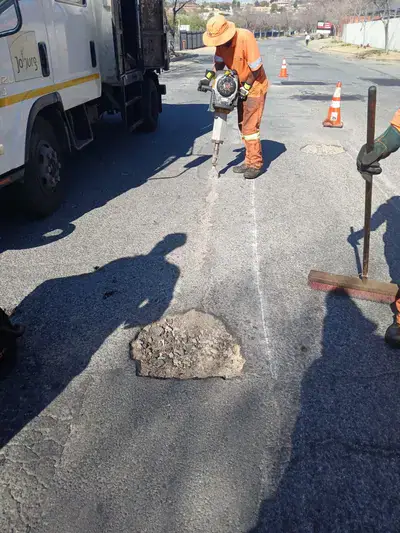
Ultimately, the test of government is what changes in the life of the person who must use the road, travel to work, or get to school. Instead of celebrating the ordinary, South Africans should demand more from their politicians. The capacity to make a plan is not an inexhaustible public resource, and each avoidable failure consumes money, time, trust, or the energy to try again. As Professor Armand Bam, head of Social Impact and PGDip NPO Leadership Development at Stellenbosch Business School, argues, citizens need to know who will take responsibility for fixing the damn potholes and addressing the systemic issues that make them permanent features of their lives.
Key points
- Municipal competence is an issue of social justice, as only 39 municipalities achieved clean audits in 2024/25.
- The poverty of South African politics is characterized by the distance between the energy devoted to acquiring public power and the responsibility accepted once it has been acquired.
- Residents need more than invitations to meetings; they need to know what can change, who decides, and when an answer will come.
Reporting sources
- Fix the damn potholes: The poverty of our politics · Mail & Guardian