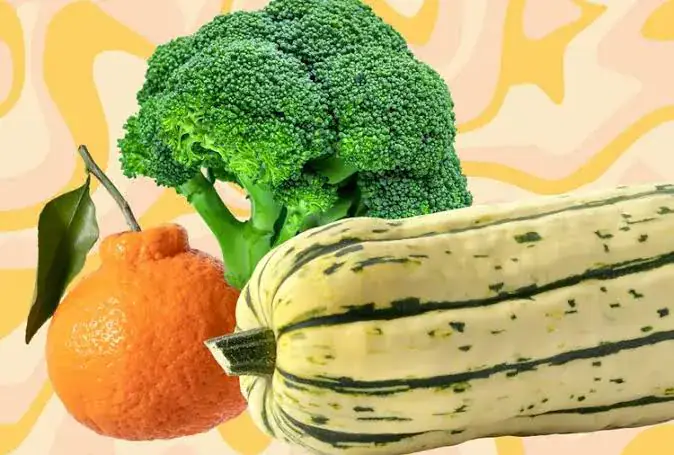
As winter approaches, a variety of seasonal foods become available that not only provide warmth and energy but also offer high preventive value against certain types of cancer. A registered nutritionist, Jill McKeown, notes that a healthy diet does not prevent cancer on its own but works over time as a "regulator of heat" that raises or lowers the risk gradually. Emphasizing vegetables, fruits, whole grains, legumes, nuts, and seeds supports the body's immunity and long-term health.
According to a report by "Eating Well," a website specializing in nutrition, five key winter foods can be included in a balanced diet to reduce cancer risk. These include oranges, tangerines, grapefruits, and lemons, which are rich in fiber, vitamin C, and flavonoids that have strong antioxidant and anti-inflammatory properties. Research has shown that regular consumption of citrus fruits, along with other fruits like apples and kiwis, is linked to a lower risk of colon and rectal cancer, as well as stomach cancer.
Winter squash varieties such as butternut, acorn, and kabocha have a comprehensive nutritional profile that includes fiber, vitamin C, potassium, and carotenoids, which the body converts into vitamin A. These compounds act as antioxidant shields that protect cells from damage caused by oxidative stress. Winter squash can be prepared in various ways, including roasting, mashing, or adding to soups and warm salads.
Leafy greens like spinach, kale, Swiss chard, and beet greens provide a concentrated mix of vitamins A, C, and K, folic acid, and carotenoids. Studies have linked regular consumption of these vegetables to a decline in the incidence of several types of tumors. The American Cancer Society recommends eating between 2.5 and 3 cups of vegetables daily to enhance prevention.
Berries, particularly those with a deep red color, are high in polyphenols, which are plant compounds that help protect cell DNA from damage and support a balanced gut microbiome. A diverse diet rich in fruits and vegetables is associated with a lower risk of cancers of the mouth, esophagus, stomach, and lung. However, it is essential to be mindful of added sugar when consuming berries in juices or sauces.
Cruciferous vegetables, including broccoli, cabbage, and Brussels sprouts, contain the compound sulforaphane, which has been extensively researched for its promising properties in combating cancer cells, particularly colon cancer. Nutrition experts recommend including half a cup of these vegetables in meals several times a week. Alongside smart food choices, adopting an active lifestyle is crucial for comprehensive prevention.
In addition to incorporating these foods into a diet, experts emphasize the importance of regular physical activity, such as at least 150 minutes of moderate physical activity per week, along with two or more sessions of muscle-strengthening exercises. Limiting consumption of processed meats, sugary drinks, and ultra-processed foods, as well as moderating red meat intake, can help maintain a healthy weight and reduce risk factors.
Key points
- A diet rich in seasonal winter foods may help lower the risk of certain types of cancer.
- Incorporating a variety of vegetables, fruits, whole grains, legumes, nuts, and seeds into a diet supports long-term health and immunity.
- Adopting an active lifestyle and making informed food choices can contribute to comprehensive cancer prevention.
Reporting sources
- دراسة: 5 أطعمة شتوية قد تساهم في خفض خطر الإصابة بالسرطان · Barlamane.com