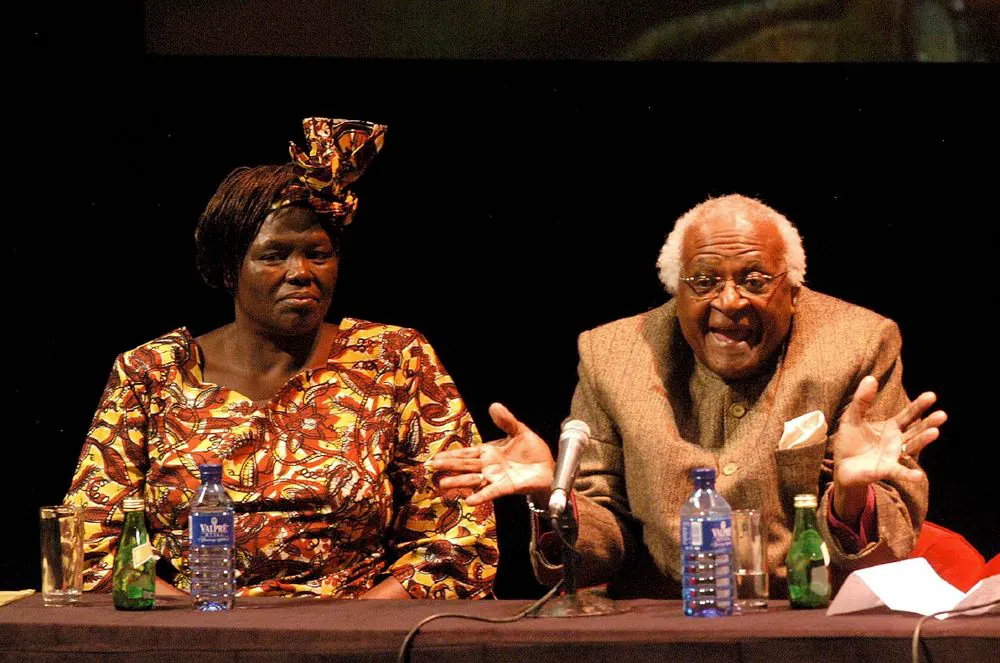
The Nobel Prizes, established by Alfred Nobel, have been awarded to individuals and organizations since 1901 for outstanding contributions to humanity. The prizes are awarded in various fields, including medicine, physics, chemistry, and peace. The 2026 winners will be announced between October 5 and 12, starting with the Nobel Prize in Medicine. The prizes are considered the most prestigious awards in their respective fields.
Some Nobel Peace Prize laureates have been prevented from attending the awards ceremony in Oslo. In 1936, German journalist Carl von Ossietzky was detained in a Nazi concentration camp and unable to attend. Similarly, Myanmar opposition leader Aung San Suu Kyi was under house arrest when she won the prize in 1991 and declined to attend. Other laureates, including Liu Xiaobo, Ales Bialiatski, and Narges Mohammadi, were also unable to attend due to imprisonment.
The Nobel Prizes have been awarded to individuals of various ages. In 2014, 17-year-old Malala Yousafzai became the youngest winner of a Nobel Prize. Lawrence Bragg, an Australian physicist, won the Nobel Prize in Physics at the age of 25 in 1915. On the other hand, John Goodenough, an American chemist, won the Nobel Prize in Chemistry at the age of 97 in 2019.
The Nobel Foundation has rules regarding posthumous awards. Since 1974, the prize may not be given posthumously, but it may still be awarded if the recipient dies between the announcement in October and the formal prize ceremony in December. Before this change, only two people had won a Nobel posthumously: Dag Hammarskjold, who died in a plane crash in 1961, and Erik Axel Karlfeldt, a Swedish poet.
Women have been underrepresented among Nobel laureates. Only 68 of the 633 Nobel prizes awarded since 1901 have been given to women, representing about 10%. The science fields have the lowest representation of women laureates. Despite this, the share of women laureates has been steadily increasing since the early 2020s.
Alfred Nobel, the founder of the Nobel Prizes, was not only an inventor but also a poet. He wrote poetry in Swedish and English throughout his life. Nobel was an admirer of English poets such as Percy Bysshe Shelley and Byron. He even wrote a scandalous tragedy titled Nemesis in 1896, inspired by Shelley's play The Cenci.
The Nobel Prizes continue to be a prestigious recognition of outstanding contributions to humanity. The prizes have been awarded to 633 individuals and organizations since 1901. The legacy of Alfred Nobel and his prizes continues to inspire future generations of scientists, writers, and peace activists.
Key points
- The Nobel Prizes are awarded annually to recognize outstanding contributions to humanity.
- The prizes have been awarded to individuals of various ages, from 17-year-old Malala Yousafzai to 97-year-old John Goodenough.
- Women have been underrepresented among Nobel laureates, making up only about 10% of all winners.