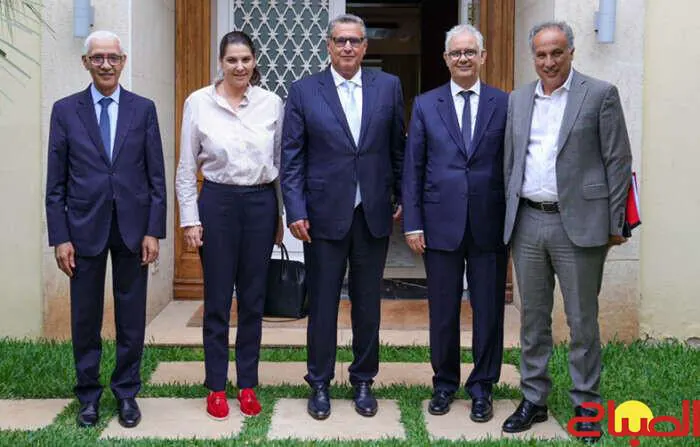
Morocco is bracing for the formation of its next government, with several alliance scenarios emerging as possibilities. According to local reports, the government will have to navigate the complexities of translating election promises into swift and tangible programs. The ruling party and potential coalition partners will need to work together to address pressing issues facing the country. The new government's agenda will likely be shaped by key challenges such as economic growth, social welfare, and infrastructure development.
The upcoming government's priorities will be influenced by various factors, including the outcome of recent elections and shifting public expectations. With multiple parties vying for power, the formation of a stable coalition will be crucial to ensuring effective governance. Analysts suggest that the next government will need to focus on implementing policies that promote economic growth, improve living standards, and address social inequalities.
One possible scenario is a coalition between the ruling party and smaller opposition parties. This alliance could provide a stable majority and enable the government to push through key reforms. However, it may also lead to tensions and conflicting interests, which could hinder effective decision-making. Another scenario is a broad coalition of parties, which could bring together diverse perspectives and expertise.
The new government's policy agenda will likely be shaped by public expectations and campaign promises. Key areas of focus may include job creation, education, healthcare, and infrastructure development. The government will need to balance competing demands and priorities, while also ensuring that its policies are fiscally sustainable and aligned with Morocco's long-term development goals.
Morocco's economic challenges, including a widening trade deficit, will also feature prominently on the government's agenda. The government will need to implement policies that promote economic growth, improve competitiveness, and address social inequalities. This may involve investing in key sectors such as tourism, agriculture, and manufacturing.
The formation of a stable and effective government will be critical to addressing Morocco's development challenges. The government will need to work closely with various stakeholders, including civil society, the private sector, and international partners. By doing so, it can ensure that its policies are responsive to public needs and aligned with Morocco's long-term development goals.
Ultimately, the success of Morocco's next government will depend on its ability to translate election promises into tangible results. The government will need to prioritize transparency, accountability, and good governance, while also ensuring that its policies are effective and sustainable. By doing so, it can build trust with the public and promote long-term stability and prosperity.
Key points
- The next Moroccan government will face significant challenges in translating election promises into swift programs.
- Five possible alliance scenarios have emerged as possibilities for the formation of the next government.
- The government's policy agenda will likely focus on key areas such as job creation, education, and infrastructure development.