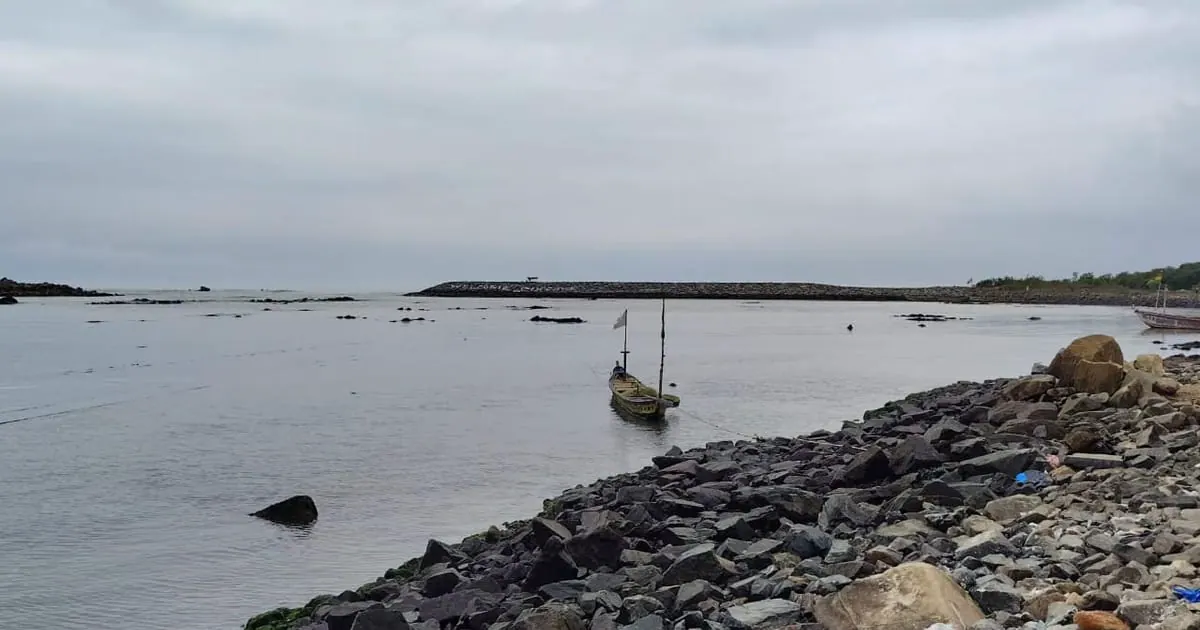
Artisanal fishers in Dixcove, Ghana, are intensifying calls for the immediate reconstruction of their landing site's breakwater. The community reports approximately ten lives lost to oceanic currents while navigating vessels to the basin. Wrecked canoes and damaged gear cost an average of GH₵300,000 per incident. The existing breakwater, engineered to absorb and deflect ocean wave energy, has exacerbated risks to vessels and gear, particularly during high-current months.
The fishing community describes a climate of fear crippling the local economy. Fishers like Francis Antwi, a survivor of recent wreckage, express fear, especially during August when sea currents are high. Thomas Sagoe, a local fisher, insists the structure's placement is the core problem. He suggests that constructing the breakwater at the other end would have been better. The financial stakes are severe for households dependent on daily catches.
The economic impact of the situation is significant, with fishers losing about GH₵300,000 in a day. This has severe implications for households catering to their children. Nana Kwaku Dade II, Chief Fisherman for Lower Dixcove, urges the government to reconstruct the breakwater and redirect its opening toward a calmer landing area. He cites a successful intervention in a neighboring community as proof that reconstruction works.
Nana Dade points to Axim, a neighboring community that suffered a similar incident, but has since reconstructed its breakwater. The currents at Axim were even more dangerous than those in Dixcove, but the community has found a solution. Today, fishers from Dixcove land at Axim's shores during turbulent sea conditions, underscoring the urgency of a local solution.
Frustration has boiled over into political threats, with community leaders announcing plans for a demonstration and warning of an election boycott if the government fails to act. Nana Kwaku Dade II stresses that they will embark on a demonstration and boycott future elections if the government fails to reconstruct the breakwater and provide a harbor.
In the meantime, fishers are adopting risk-mitigation measures for every expedition as they await a response from authorities. The Dixcove crisis reflects wider coastal vulnerabilities in Western Region, where storm surges, tidal waves, and erosion regularly damage fishing canoes, nets, and engines. Recent studies found that over 91% of fishermen reported occupational accidents within a three-month period.
Experts note that poorly sited coastal defense structures can inadvertently reduce fish catch by making landing beaches hazardous and limiting access to processing sites, compounding livelihood losses. The fishers' demands for a reconstructed breakwater and a harbor have been ongoing, with the community seeking a favorable response from authorities to address their concerns and mitigate the risks associated with their livelihood.
Key points
- Fishers in Dixcove demand the reconstruction of their landing site's breakwater to address deadly sea currents.
- The community reports approximately ten lives lost to oceanic currents while navigating vessels to the basin.
- The economic impact of the situation is significant, with fishers losing about GH₵300,000 in a day.