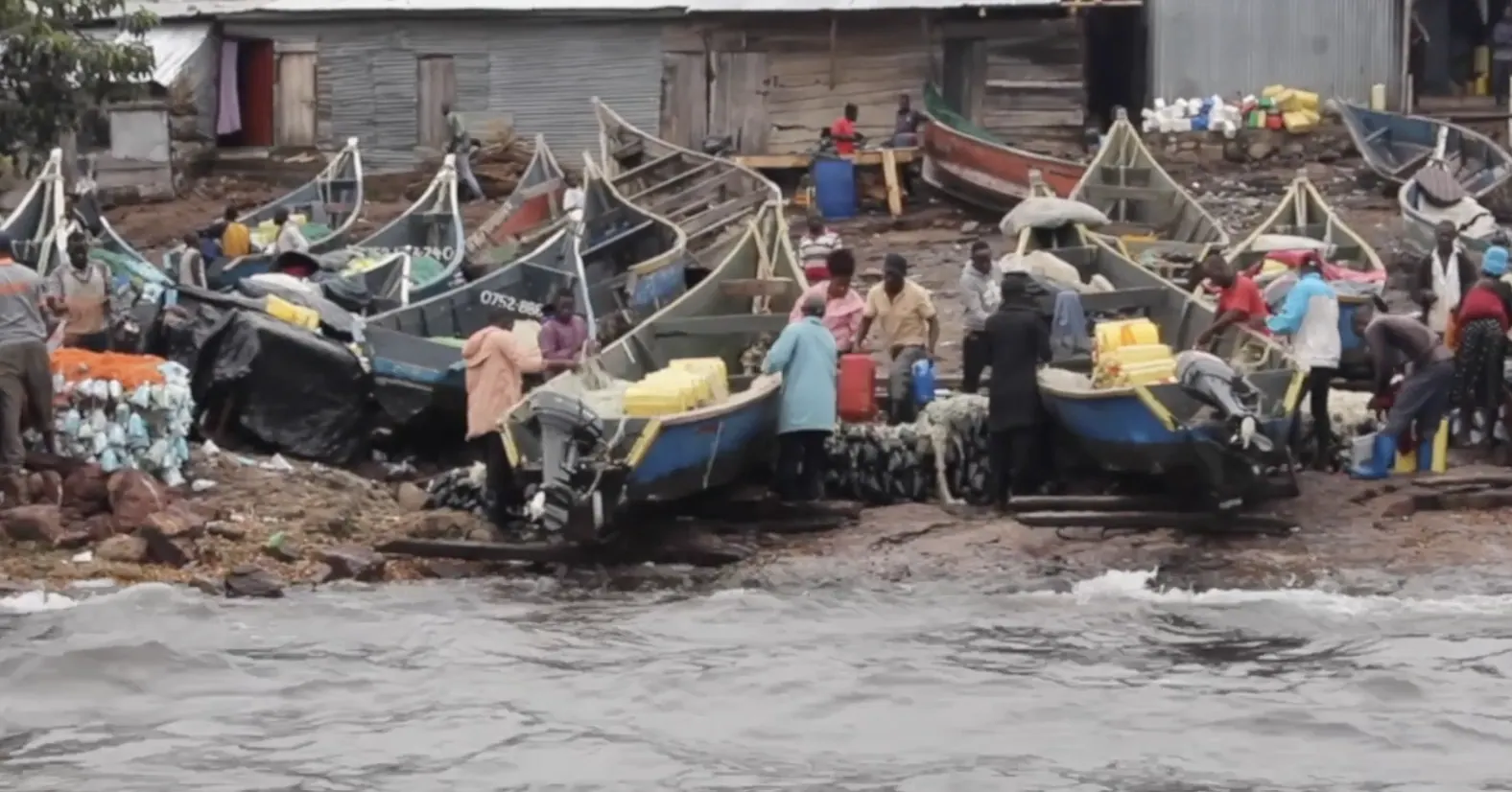
Fishermen in Uganda have accused their colleagues of fishing in designated breeding areas, sparking concerns over the depletion of endangered fish species. The issue has prompted Mukono South MP Robert Maseruka to call for amendments to the fishing regulations. He argues that the current regulations are not effective in protecting the fish species and the livelihoods of fishing communities. The breeding areas were established to conserve fish populations and ensure sustainable fishing practices.
The Lacteine Protected Area, which covers 200 square kilometers, has been a point of contention. MP Maseruka has suggested reducing the protected area by at least half a kilometer to support communities that depend on fishing for their livelihoods. This proposal aims to balance the need for conservation with the economic needs of the fishing communities. The MP's proposal has sparked a debate on the best approach to managing the protected areas and ensuring sustainable fishing practices.
The issue of fishing in breeding areas has significant implications for the fishing industry in Uganda. The country's fishing sector is a vital source of livelihood for many communities, and the depletion of fish species could have severe economic and social consequences. The government has been urged to take action to address the issue and ensure that fishing practices are sustainable and environmentally friendly.
The call for tighter regulations has been welcomed by conservationists, who argue that the current regulations are inadequate. They point out that the protected areas are often not effectively enforced, allowing fishermen to continue fishing in these areas. The conservationists argue that stronger regulations and more effective enforcement are needed to protect the fish species and ensure sustainable fishing practices.
The Ugandan government has been urged to take a comprehensive approach to addressing the issue of fishing in breeding areas. This approach should include not only tighter regulations but also education and awareness-raising programs for fishermen. The government has also been urged to provide support to fishing communities to help them adopt sustainable fishing practices and reduce their dependence on fishing.
The issue of fishing in breeding areas is not unique to Uganda, and the country's experience has implications for other countries facing similar challenges. The international community has a role to play in supporting countries to develop and implement effective conservation and sustainable fishing practices. The Ugandan government's response to the issue will be closely watched by conservationists and other stakeholders.
The debate on the management of protected areas and sustainable fishing practices is ongoing in Uganda. The government has been urged to engage with stakeholders, including fishermen, conservationists, and local communities, to develop effective solutions to the issue. The outcome of this debate will have significant implications for the future of the fishing industry in Uganda and the conservation of the country's natural resources.
Key points
- The Ugandan government has been urged to amend fishing regulations to protect endangered fish species and support sustainable fishing practices.
- A proposal to reduce the Lacteine Protected Area has been made to balance conservation with the economic needs of fishing communities.
- Tighter regulations and effective enforcement are needed to prevent fishing in designated breeding areas.