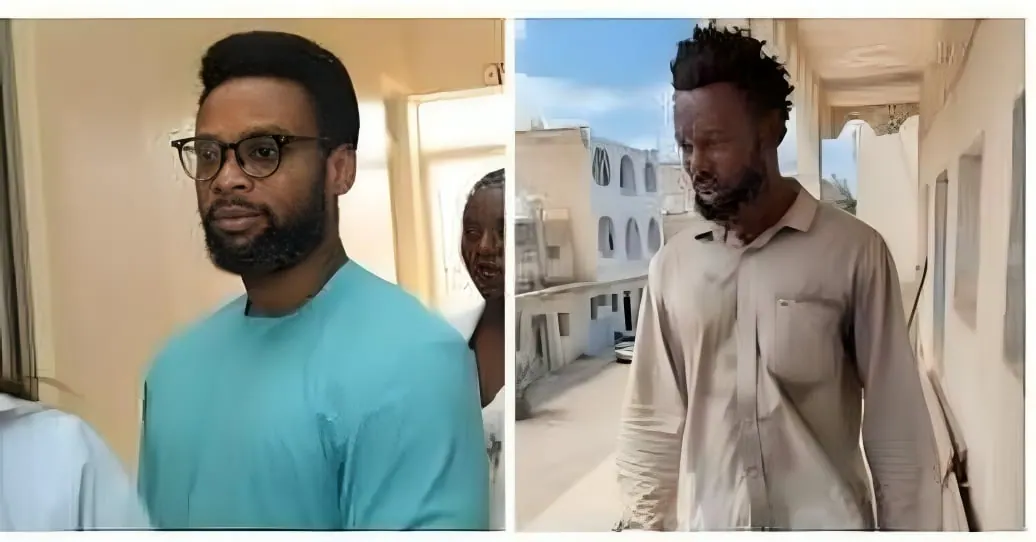
Investigative journalist Fisayo Soyombo has expressed understanding for Nigerians who travel to Libya in search of better economic opportunities. He made this statement during an interview on ARISE News, discussing his 47-day undercover journey from Kano through Niger to Tripoli, where he documented the experiences of migrants traveling along the Sahara Route. Soyombo, founder of the Foundation for Investigative Journalism, believes that some Nigerians would reconsider the journey if they had adequate information about the conditions awaiting them.
According to Soyombo, economic hardship can make migration appear to be the only available escape for some Nigerians, even when the alternative may expose them to harsher conditions. He noted that migrants often become stranded after reaching Libya because they lack the funds to continue towards Europe. Many then take up jobs to meet their immediate needs and save towards another attempt to cross into Europe. This cycle of struggle is a reality for many who embark on the perilous journey.
Soyombo recounted that migrants face difficulties protecting their earnings in Libya. Since irregular migrants cannot open bank accounts due to Libya's criminalization of irregular migration, they are left dependent on cash. This makes them vulnerable to robbery, as anyone can steal their money. The risks are high, and the migrants must find ways to survive in a country with harsh conditions.
During his undercover investigation, Soyombo observed Nigerians working on farms in desert areas, where temperatures can reach 40 degrees Celsius or more. In some cases, they go without payment. He described an incident where migrants were allegedly taken to a farm and made to work without pay. The migrants were stopped at a village by an Arab man, and those who could not escape were conscripted to work on the farm.
Soyombo's experience demonstrated how difficult it is for migrants to predict what they will encounter along the route, regardless of how much preparation they put into the journey. He spent six months preparing for his undercover investigation and was initially advised to budget for 30 days, but eventually spent 47 days completing the journey. Many Nigerians undertaking the journey do so without sufficient information about the risks involved.
The purpose of Soyombo's documentation was not to condemn Nigerians seeking to leave the country but to give potential migrants first-hand information about what the journey entails. He shared photographs and videos from his journey to help Nigerians make more informed decisions before attempting the route. By sharing his experience, Soyombo hopes to provide a realistic view of the challenges faced by migrants.
Soyombo's remarks highlight the complexities of migration and the need for informed decision-making. His documentation serves as a testament to the harsh realities faced by migrants and the importance of understanding the risks involved. Key points from his experience include the economic hardships that drive Nigerians to migrate, the dangers faced by migrants in Libya, and the need for accurate information to guide decision-making.
Key points
- Economic hardship drives Nigerians to migrate to Libya.
- Migrants face significant dangers and challenges in Libya.
- Accurate information can help potential migrants make informed decisions.