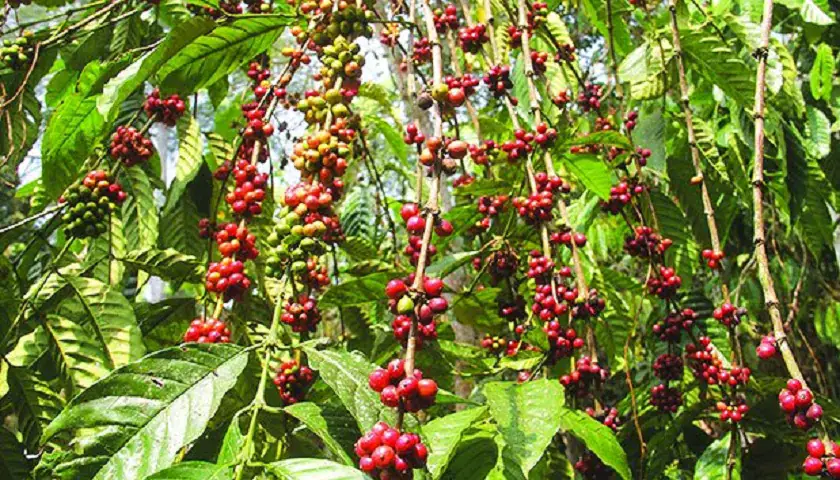
The director of the International Fund for Agricultural Development (FIDA) in Angola, Custódio Mucavele, has stated that Angola has the potential to produce coffee like it did during the pre-independence era. However, the country needs to upgrade its processing units and train farmers to achieve this goal. Mucavele made these remarks on the sidelines of a meeting on trade and competitiveness in the coffee sector.
Angola's coffee production was significant in the 1970s, with the country being one of the world's largest producers. However, production has declined since then. The FIDA is supporting the Angolan government's efforts to revitalize the coffee sector through the Project for the Development of the Coffee Value Chain (Prodecafé). The project, valued at $113 million, aims to increase production, productivity, and strengthen the entire value chain.
The Prodecafé project will cover ten provinces over a period of ten years, with the first phase focusing on five provinces: Bié, Cuanza Sul, Huíla, Huambo, and Malanje. The FIDA is financing $50 million of the project, while the Italian government's Plan Mattei is providing $45 million. The project aims to help Angola's coffee sector become more competitive, particularly in the European market.
Mucavele emphasized that Angola needs to address challenges in the coffee sector, including the use of low-quality inputs and inadequate production of high-quality coffee seedlings. He also stressed the need to consider the entire value chain, from production to processing and marketing. The FIDA is working with the Angolan government to reformulate the Prodecafé project to ensure that it meets the country's needs.
During the colonial era, Angola was a significant producer of various crops, including coffee, bananas, and rice. The country's coffee production was particularly notable, with Angola being one of the world's largest producers of Arabica coffee. However, since independence, the country's production has declined significantly.
The FIDA has been financing programs in Angola since 1982 and currently has a portfolio of around $300 million in agricultural sector programs. The organization is committed to supporting Angola's efforts to revitalize its coffee sector and increase its competitiveness in the global market.
Mucavele's remarks highlight the need for Angola to learn from its past experiences and adopt best practices to revive its coffee sector. By upgrading its processing units and training farmers, Angola can increase its coffee production and become a significant player in the global market again.
Key points
- Angola needs to upgrade processing units and train farmers to revive coffee production.
Reporting sources
- FIDA ACONSELHA: FAÇAM COMO FAZIAM OS PORTUGUESES · jornalf8.net