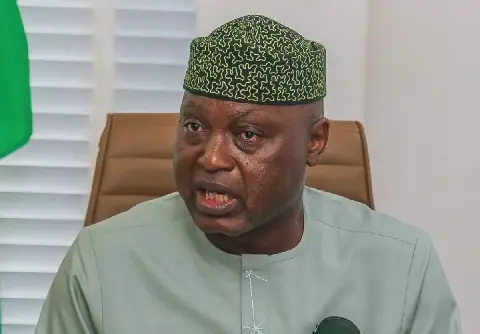
The Federal Government has called on state and local governments, development partners, private providers, and communities to support teachers and caregivers in Nigeria's early childhood education sector. Dr. Muhammad, Federal Coordinator of the Human Capital Development (HCD) Programme and national early childhood development (ECD) focal point, made the appeal in a message to mark the 2026 World Teachers' Day. He emphasized the importance of investing in the early childhood workforce to ensure every child is ready for school by the age of five.
Nigeria has approximately 92,000 public and private early childhood care, development, and education (ECCDE) centres, according to Dr. Muhammad. The quality of learning in these settings depends on having a workforce that is adequately trained, fairly remunerated, supported, and supervised. Dr. Muhammad noted that the professionals who shape the first 2,000 days of a child's life, including teachers in pre-primary classes, caregivers in crèches, and early childhood educators in community learning centres, require priority attention.
The global teaching profession is facing growing pressure from teacher shortages, increased workloads, technological change, and climate disruption. This year's World Teachers' Day theme, "Standing with teachers: 60 years of protecting the profession, advancing its status and shaping our futures," marks the 60th anniversary of the 1966 ILO/UNESCO Recommendation concerning the Status of Teachers. The recommendation established an international framework addressing teachers' rights, training, and working conditions.
UNESCO estimates that the world will need an additional 44 million teachers by 2030. Dr. Muhammad stated that the anniversary has renewed calls for better pay, professional autonomy, and sustained support for teachers. The federal government, through the HCD 2.0 programme, is seeking stronger action to support workers in the early years. Dr. Muhammad urged state governments to recruit, train, supervise, and remunerate early childhood workers at fair and competitive rates.
Dr. Muhammad also called on state governments to establish dedicated, clearly identified budget lines for early childhood development. He emphasized the need for State Universal Basic Education Boards to address shortages of teachers in pre-primary education and provide continuous professional development, including digital skills and preparation for climate-related disruption to learning.
Local governments and ward development committees were urged to recognize early childhood educators as members of ward-level early-years teams. Private providers were encouraged to comply with national quality and workforce standards. Dr. Muhammad also called on development partners, the private sector, and communities to align their support for early childhood development around a common results framework.
Dr. Muhammad commended teachers across Nigeria's 36 states and the Federal Capital Territory, particularly those working in early childhood settings, for their contribution to laying the foundations for the country's human capital. He said, "Sixty years after the world agreed on what teachers are owed, our task in Nigeria is to extend that promise to the teachers of our youngest children. Standing with teachers means standing with the child."
Key points
- The Federal Government has called on state and local governments to support teachers and caregivers in Nigeria's early childhood education sector.
- Nigeria has approximately 92,000 public and private early childhood care, development, and education (ECCDE) centres.
- The world will need an additional 44 million teachers by 2030, according to UNESCO estimates.