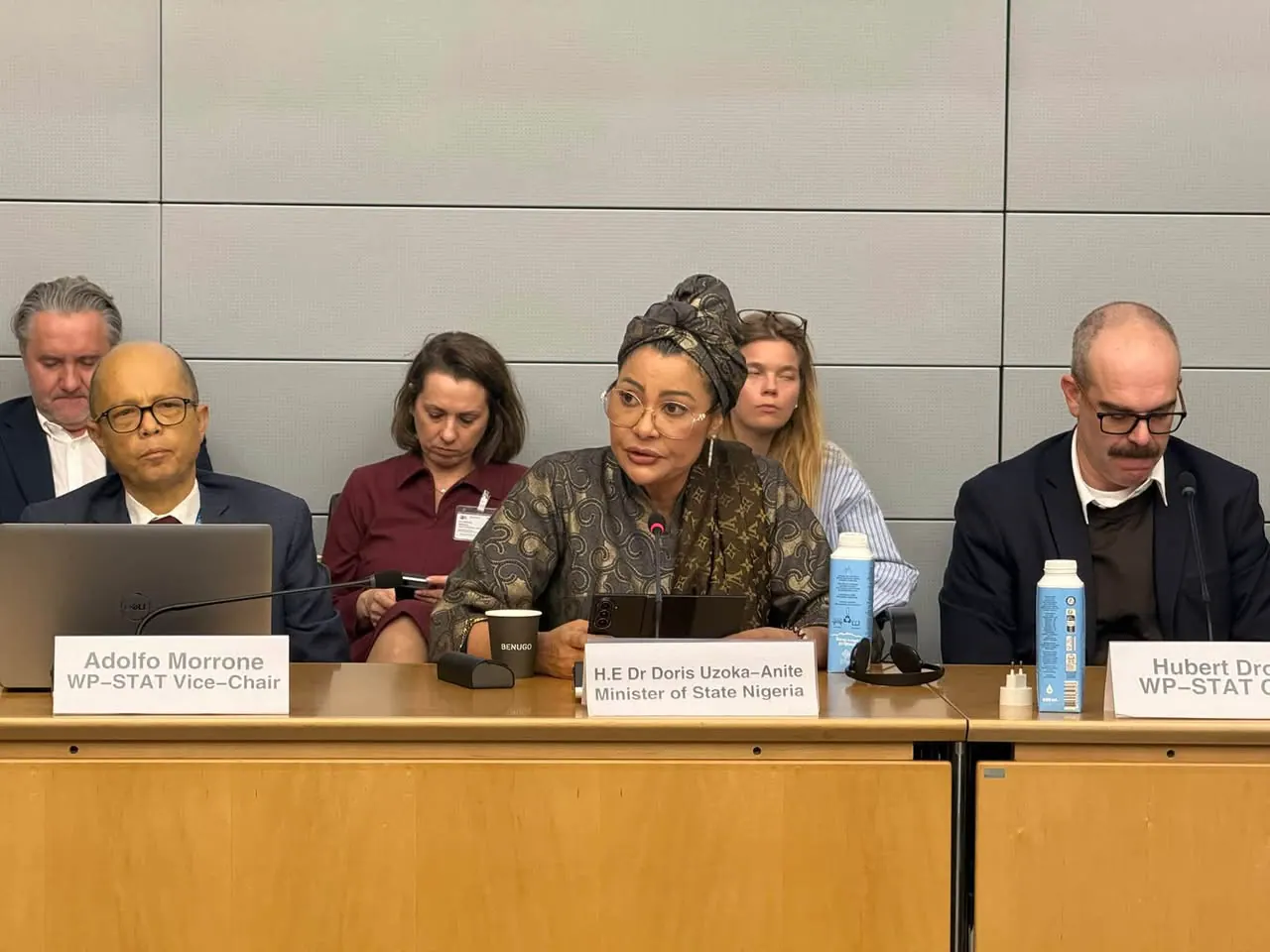
The Federal Government of Nigeria has set a target of 10.34% Gross Domestic Product (GDP) growth by 2030, as outlined in the National Development Plan (NDP) 2026-2030. This projection was disclosed by the Minister of State for Budget and Economic Planning, Dr. Doris Uzoka-Anite, at the 2026 International Credit Rating Webinar organised by DataPro Limited. The webinar focused on the role of credit ratings in attracting investment and supporting economic transformation.
According to Uzoka-Anite, the government aims to achieve an average real GDP growth rate of 7.79% over the plan period. The growth is expected to rise from 4.68% in 2026 to 10.34% by 2030. This target is part of the Federal Government's plan to transform Nigeria into a diversified, resilient, and globally competitive $1 trillion economy by 2030. The minister also projected a decline in public debt from 36.07% of GDP in 2025 to 18.83% by 2030.
The government's projections also include a reduction in the debt service-to-revenue ratio from 62.93% in 2025 to 21.01% by 2030. Additionally, government revenue is expected to increase from 11.15% of GDP in 2025 to 18.70% by 2030. Capital expenditure is also projected to rise from 36.03% of total government expenditure to 57.43% within the period. These projections are anchored on stronger domestic revenue mobilisation, improved fiscal management, and debt sustainability.
Uzoka-Anite outlined the government's roadmap to investment-grade status, which rests on four pillars: fiscal health and domestic revenue mobilisation; debt sustainability and liability management; economic diversification, investment, and productivity; and institutional strengthening and policy credibility. The minister emphasized that the investment-grade ambition should be regarded as an outcome of stronger economic fundamentals rather than an end in itself.
The private sector is expected to account for about 72% of cumulative investment under the NDP, while gross capital formation is targeted at 40% of GDP by 2030. Recent reforms, including petrol subsidy removal, foreign exchange reforms, public financial management measures, and tax reforms, are aimed at strengthening the economy and improving Nigeria's fiscal position. Uzoka-Anite's projections are part of the government's efforts to achieve sustainable economic growth and development.
Founder of DataPro Limited, Mr. Abimbola Adeseyoju, emphasized the importance of credit ratings in economic transformation. He noted that sovereign credit ratings influence investment flows, the cost of funds, and the capacity of countries to finance infrastructure, industrialisation, and sustainable economic growth. Adeseyoju identified structural reforms, fiscal sustainability, and capital market depth as key factors that could help African countries achieve investment-grade status.
The webinar highlighted the need for African countries to domesticate the African narrative in global ratings and for global rating methodologies to be objective and transparent. Achieving investment-grade status would require deliberate policy execution, sound market infrastructure, and stronger cross-border collaboration. Uzoka-Anite's presentation and Adeseyoju's remarks underscored the importance of collaboration and effective policy implementation in driving Nigeria's economic growth and development.
Key points
- The Federal Government targets 10.34% GDP growth by 2030 under the National Development Plan 2026-2030.
- The government aims to achieve an average real GDP growth rate of 7.79% over the plan period.
- Public debt is projected to decline from 36.07% of GDP in 2025 to 18.83% by 2030.