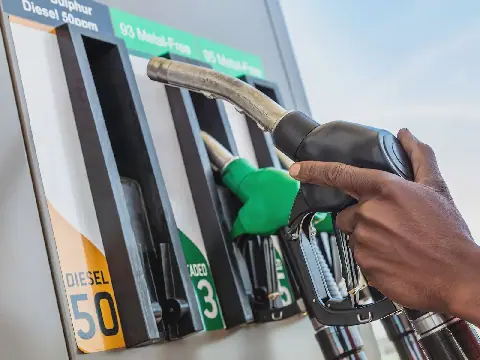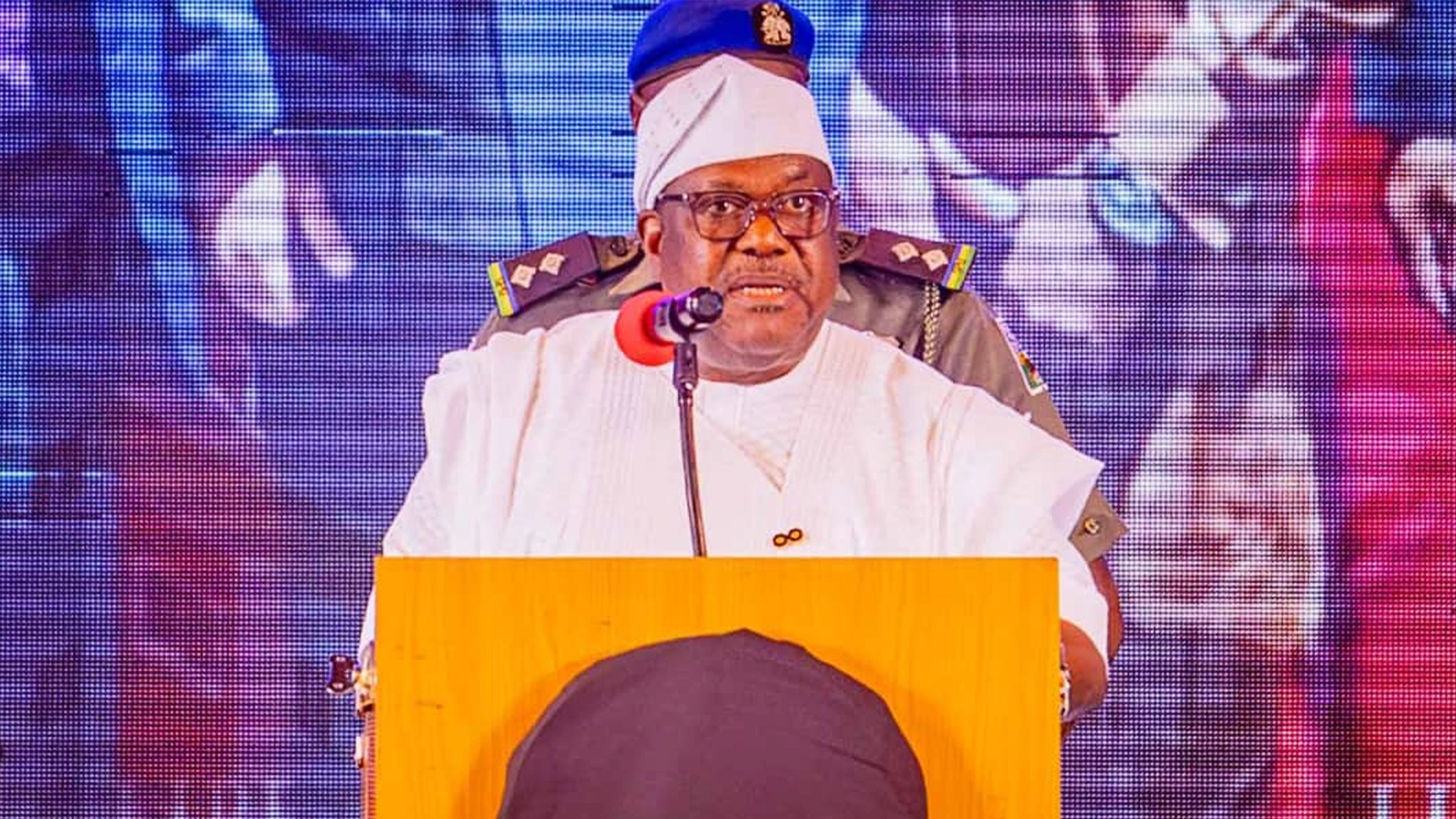
The Federal Government of Nigeria has officially ruled out any possibility of reverting to the petrol subsidy regime. This announcement was made by Senator George Akume, the Secretary to the Government of the Federation, during the 66th Independence Anniversary Lecture held in Abuja on Wednesday. According to Akume, the removal of the subsidy regime was one of the critical decisions made by the President Bola Tinubu administration to stabilize Nigeria's economy.
The President Bola Tinubu administration took several bold decisions after assuming office in 2023, including the removal of petrol subsidy, unification of the foreign-exchange market, tax reforms, and other fiscal measures. These decisions were aimed at saving the nation from imminent collapse. Akume emphasized that although these decisions were difficult, they were necessary to rebuild stability in the country. The effects of these decisions have started to manifest positively.
Citing World Bank figures, Akume mentioned that Nigeria's real Gross Domestic Product grew by 4.2 per cent in the first half of 2026, compared to 3.9 per cent recorded a year earlier. However, he stressed that the government must now focus on ensuring that this economic growth translates into jobs and higher incomes for Nigerians. This, according to him, is the task before the government.
The government is also shifting towards Compressed Natural Gas (CNG), with over 120,000 vehicles converted to CNG, supported by more than 400 conversion centres and 90 fuelling stations across the country. This shift has significantly cut fuel costs for motorists and commuters, with CNG buses carrying millions of passengers at fares lower than those of petrol buses. This development is part of the efforts to make transportation more affordable.
On the issue of electricity, Akume stated that the government has taken steps to address longstanding challenges. These steps include the clearance of legacy debts, increased investment, improved transmission, and better billing. Additionally, major infrastructure projects such as the Lagos-Calabar Coastal Highway, Abuja-Kano Highway, East-West Road, rail modernization, and port reforms are expected to improve trade routes and economic activity.
The government is also making efforts in agriculture, with the World Bank approving a $500 million credit for the Nigeria Sustainable Agricultural Value-Chains for Growth project. This initiative aims to raise smallholder productivity, strengthen value chains, and improve food and nutrition security. Furthermore, the government is expanding mortgage finance to support housing development and job creation.
Addressing youth development, Akume highlighted that more than 60 per cent of Nigerians are below the age of 25. He stressed the need to expand opportunities in education and skills development. The government has expanded the Education Loan Fund and is strengthening technical and vocational institutions to equip young Nigerians with the skills required by industry.
Key points
- The Federal Government has ruled out a return to the petrol subsidy regime.
- Nigeria's economy has shown growth with a 4.2 per cent GDP increase in the first half of 2026.
- The government is investing in infrastructure projects and agriculture to boost economic activity.