The Egyptian government is making progress on two significant projects aimed at producing bioethanol from bagasse and molasses. These initiatives have garnered substantial investment, with a total cost of approximately $471 million. According to sources within the petroleum and supply sectors, these projects are moving forward as planned. The government is keen on diversifying its energy sources and reducing dependence on fossil fuels. Bioethanol, a renewable energy source, is seen as a viable alternative.
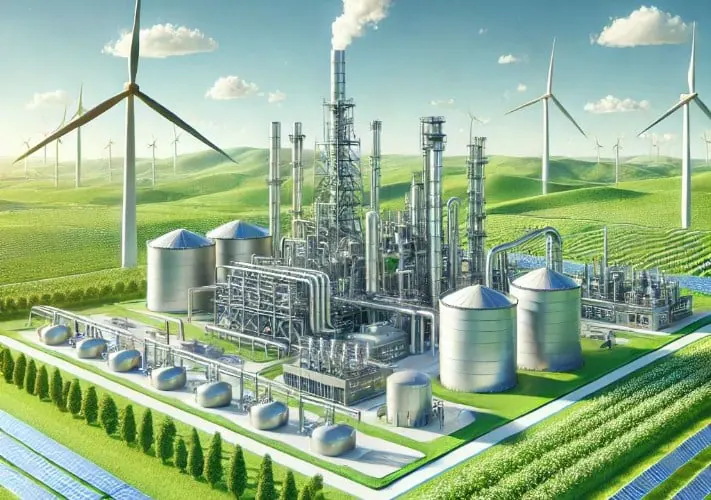
The projects involve the construction of new facilities that will utilize bagasse, a byproduct of sugarcane, and molasses, a thick, dark liquid derived from the sugar production process, to produce bioethanol. This biofuel can be used as a substitute or additive to gasoline, offering a more environmentally friendly option. The investment in these projects underscores the government's commitment to sustainable development and reducing carbon emissions.
One of the primary goals of these projects is to decrease Egypt's reliance on imported fuel. By producing bioethanol domestically, the country aims to save on foreign exchange and bolster its energy security. The projects are also expected to create new job opportunities in the agricultural and industrial sectors, contributing to economic growth and development.
The implementation of these bioethanol projects aligns with Egypt's broader strategy to promote renewable energy and reduce its carbon footprint. The government has been actively seeking to increase the share of renewable energy in its energy mix, with a focus on solar, wind, and biofuels. These efforts are part of Egypt's commitment to international agreements on climate change and sustainable development.
Details about the specific timelines for the completion of these projects and their expected production capacities have not been disclosed. However, sources indicate that the projects are in advanced stages of development, with construction expected to commence soon. The involvement of international partners and financiers is also being explored to ensure the successful execution of these initiatives.
The production of bioethanol from bagasse and molasses not only offers environmental benefits but also has the potential to support the local agricultural economy. By utilizing agricultural byproducts, the projects can help reduce waste and provide additional revenue streams for farmers. This integrated approach to energy production and agricultural management is seen as a model for sustainable development.
As Egypt continues to push forward with its renewable energy agenda, the progress on these bioethanol projects will be closely watched. The successful implementation of these initiatives could pave the way for further investments in renewable energy, contributing to a more sustainable and diversified energy sector in Egypt.
Key points
- The Egyptian government is investing $471 million in two bioethanol projects from bagasse and molasses.
- The projects aim to reduce Egypt's reliance on imported fuel and promote renewable energy.
- The initiatives are expected to create new job opportunities and support the local agricultural economy.