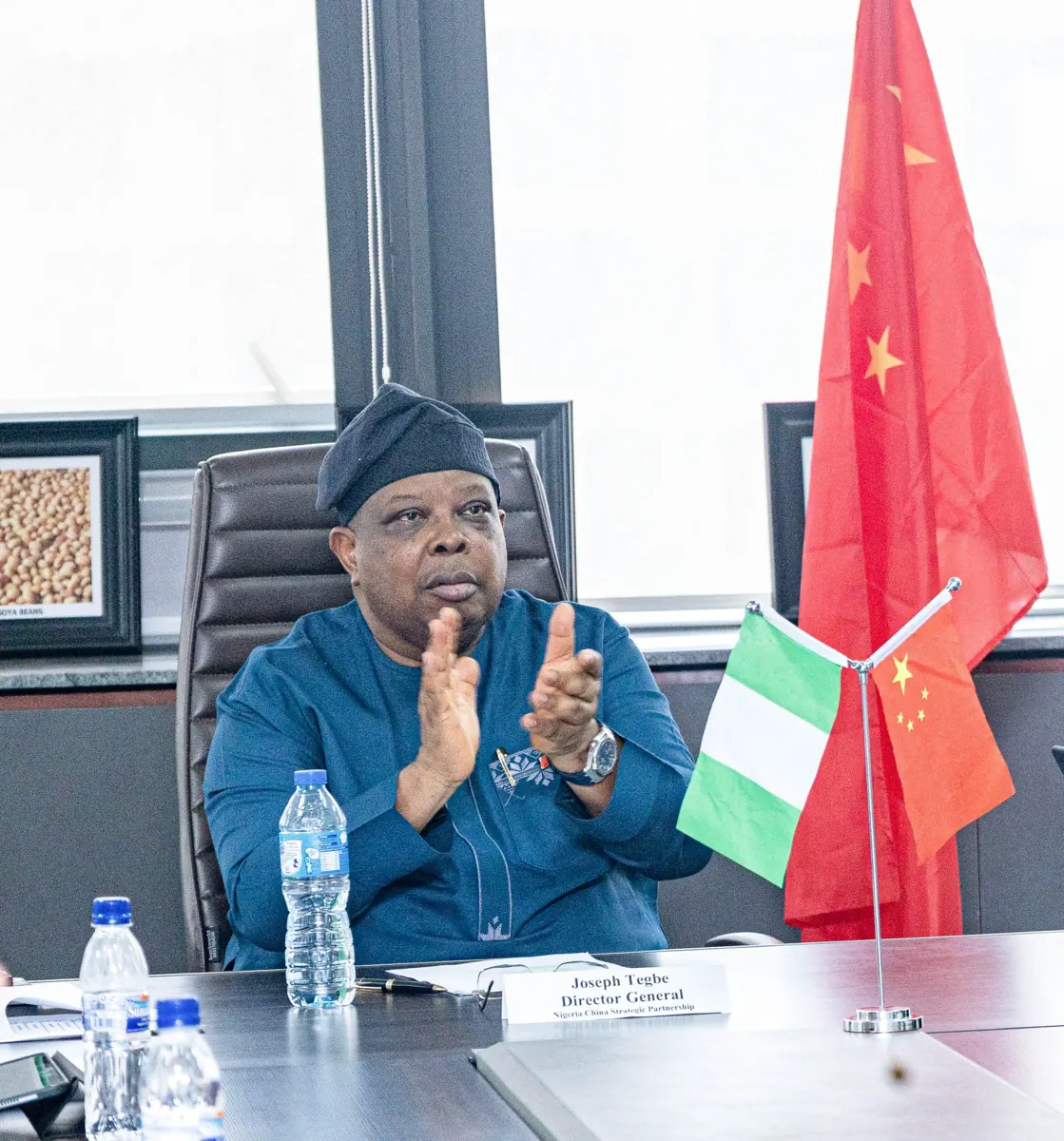
The Federal Government of Nigeria has clarified that it does not intend to increase electricity tariffs, emphasizing its focus on enhancing power supply and strengthening the country's electricity sector. This statement was made by the Minister of Power, Joseph Tegbe, during a media briefing in Abuja on Monday, marking his first 100 days in office from June 8 to September 16, 2026.
According to Minister Tegbe, the government's immediate priority is to address the challenges facing the power sector, which include generation, transmission, and distribution issues. He noted that merely increasing electricity generation would not resolve the sector's underlying problems. The minister highlighted that electricity distribution companies are experiencing aggregate technical, commercial, and collection losses of between 30 and 40 percent.
The Minister of Power identified several challenges affecting the sector, including unpaid bills, rising costs due to inflation and foreign exchange pressures, regulatory uncertainty, and accumulated debts. He disclosed that the Federal Government has raised an estimated ₦1.23 trillion to address part of the sector's ₦3.3 trillion debt backlog. This move aims to stabilize and improve the financial foundation of the power sector.
To improve electricity supply and ensure consumers pay only for the electricity they use, the government is working to expand metering. Minister Tegbe reported that about 350,000 electricity meters had been installed during his first 100 days in office, bringing the cumulative total to 1,004,260 as of August 2026. This effort is part of a broader strategy to enhance service delivery and billing accuracy.
The next phase of reforms will focus on improving supply reliability, billing accuracy, and the resolution of electricity-related complaints. Minister Tegbe acknowledged that while national electricity generation figures may improve, this does not immediately translate into reliable supply for every community. The government will continue to work on addressing challenges across the power value chain to ensure consistent and dependable electricity supply.
The Federal Government's position on electricity tariffs comes amid public concerns over electricity costs and the sustainability of power-sector reforms. The government's commitment to improving the power sector without increasing tariffs aims to alleviate some of the financial burdens on consumers while enhancing the overall efficiency and reliability of electricity services in Nigeria.
Key points
- The Federal Government has no plan to increase electricity tariffs.
- The government has raised an estimated ₦1.23 trillion to address part of the power sector's ₦3.3 trillion debt backlog.
- About 350,000 electricity meters were installed during the Minister's first 100 days in office.


