The Federal Government of Nigeria has called for an immediate overhaul of the country's agricultural extension system, seeking to transition from short-term, donor-dependent projects to a sustainable infrastructure that enhances crop yields and ensures long-term food security. This was stated by Abubakar Kyari, the Minister of Agriculture and Food Security, at the Africa Agribusiness Extension Summit 2026 in Abuja.
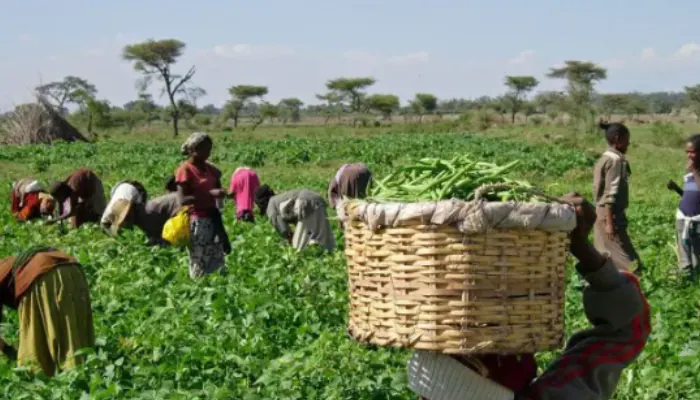
According to Kyari, expanding physical farmland alone can no longer feed Nigeria's rapidly growing population. He noted that the country's agricultural extension history dates back to the early 1900s, when extension officers were trusted figures in farming communities. During the peak of the World Bank-backed Agricultural Development Projects (ADPs), the system operated efficiently with one agent serving approximately 1,000-1,500 farm households.
However, the situation has changed significantly, with one extension agent now expected to serve between 5,000 and 10,000 farmers. Kyari emphasized that boosting yields depends on delivering real-time, accurate agronomic advice directly to smallholder farmers. He stressed that Nigeria's experience reflects a broader African challenge, where farmers require specialized knowledge, and conventional extension systems are expected to reach more people with limited resources.
The minister highlighted the need for a transition from extension as a conventional government service to a sustainable infrastructure that combines professional expertise, technology, data, and partnerships. Nigeria has started deploying digital tools to bridge the gap between extension agents and farmers. Over 100,000 farmers in six states receive weekly text messages on expected rainfall and measures to protect their crops through the Federal Department of Agricultural Extension and private partners.
The Federal Government is rolling out a digital agricultural extension platform that provides advice in Hausa, Igbo, Yoruba, and Pidgin. More than 1,000 digital extension agents equipped with tablets have been deployed with the support of the National Agricultural Development Fund. Additionally, 774 agricultural desk officers are serving across the country's local government areas, providing farmers with necessary guidance and support.
Tajudeen Yahaya, Chief Executive Officer and Co-Founder of Extension Africa, stated that the summit aims to change the conversation around agricultural extension from discussing services to building the required infrastructure, partnerships, and systems. He identified people, technology, data, and partnerships as the four pillars of sustainable agricultural advisory infrastructure. The summit seeks to promote investment in these areas and facilitate dialogue on policies, institutions, and collaborative business models.
The Africa Agribusiness Extension Summit 2026 provides a platform for stakeholders to develop a shared framework for sustainable agricultural advisory infrastructure and strengthen coordination across government, industry, research, technology, and development institutions. The event also advocates for infrastructure labs focused on the shared advisory workforce, trusted data systems, technology-enabled advisory infrastructure, and commercially viable advisory models, ultimately aiming to ensure the sustainability of agricultural programs and solutions.
Key points
- The Federal Government seeks to transition from short-term agricultural projects to a lasting infrastructure that boosts crop yields and guarantees long-term national food security.
- Nigeria has started deploying digital tools, including a digital agricultural extension platform and 1,000 digital extension agents, to bridge the gap between extension agents and farmers.
- The Africa Agribusiness Extension Summit 2026 aims to promote investment in people, technology, data, and partnerships to strengthen agricultural advisory systems across Africa.