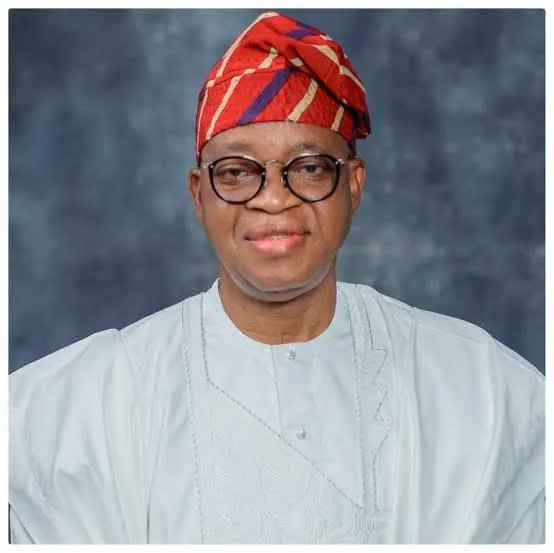
The Nigerian federal government has taken steps to alleviate congestion at Lagos ports by approving a comprehensive modernisation and upgrade of four major eastern ports. This move aims to create more efficient gateways for international trade. The Minister of Marine and Blue Economy, Dr Adegboyega Oyetola, announced the approval, naming Onne, Rivers, Delta, and Calabar ports as beneficiaries.
This latest phase of the government's port modernisation programme follows earlier authorisation for the upgrade of Apapa and Tin Can Island ports in Lagos. According to Oyetola, the expansion beyond Lagos seeks to reduce cargo traffic concentration around the nation's commercial capital while strengthening alternative trade gateways. The upgrade is expected to improve cargo handling, reduce vessel turnaround time, and enhance regional connectivity.
The modernisation programme is part of the government's efforts to transform Nigeria's maritime infrastructure and unlock the economic potential of its ports. President Bola Ahmed Tinubu's Renewed Hope Agenda emphasises infrastructure renewal and economic diversification, with efficient ports being critical to achieving these objectives. The programme is expected to facilitate trade, support industry, attract investment, and create jobs.
The four eastern ports have strategic roles to play in Nigeria's trade, industrial, and regional development. The government aims to equip them to meet the demands of a growing economy. Oyetola stressed the importance of modernising these ports to enhance their capacity and efficiency. The upgrade will enable the ports to handle increasing trade volumes and contribute to the country's economic growth.
The government's port modernisation programme also includes the development of new deep seaports across different parts of the country. These projects include the Ibom Deep Seaport in Akwa Ibom State, Bakassi Deep Seaport in Cross River State, and Gateway Deep Seaport in Ogun State, among others. The combination of modernising existing ports and developing new deep seaports will expand Nigeria's maritime capacity.
Oyetola stated that the government's approach is comprehensive, involving the modernisation of existing ports and the development of new deep seaports. This will enable Nigeria to handle increasing trade volumes, attract investment, and position the country as a major maritime and logistics hub in Africa. The minister expressed the government's commitment to transforming Nigeria's maritime infrastructure.
The upgrade of the four eastern ports and the development of new deep seaports will create stronger economic corridors across the country. The programme is expected to have a positive impact on Nigeria's economy, creating jobs and stimulating growth. The government is working towards an integrated maritime and logistics system to enhance the country's competitiveness in the global market.
Key points
- The Nigerian government has approved the upgrade of four eastern ports to decongest Lagos ports and enhance trade.
- The modernisation programme aims to improve cargo handling, reduce vessel turnaround time, and enhance regional connectivity.
- The government is developing new deep seaports across the country to expand Nigeria's maritime capacity and create stronger economic corridors.