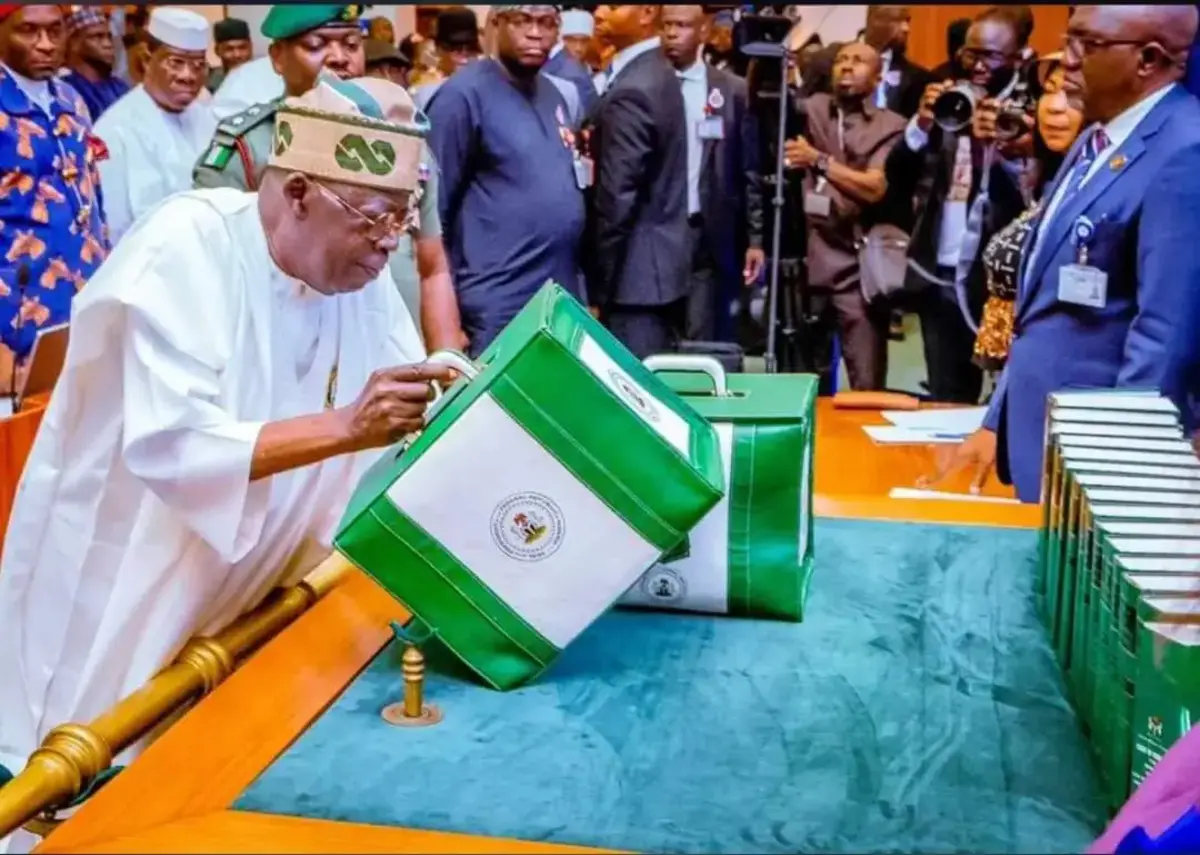
The Nigerian Federal Government is facing challenges in implementing previous budget cycles, which may lead to a rollover of part of the 2026 budget into 2027, according to economic and financial experts. The 2026 budget, totaling ₦68.32 trillion, was signed into law in April 2026 and is currently in its active execution phase. However, comprehensive audited federal implementation performance figures for the mid-year remain largely unpublished by the Budget Office of the Federation.
Experts point to the government's struggle with implementing previous budgets, including the 2024 and 2025 budgets, which are still being executed alongside the 2026 budget. A source close to the matter stated that the government is trying to conclude implementation of previous budgets to enable focused implementation of a single budget cycle. This has resulted in a situation where multiple budget cycles are being implemented simultaneously.
Economic expert Mr. Eric Igulla noted that if the Federal Government does not increase the release of funds to adequately settle previous budget cycles, the 2026 budget may be rolled over into 2027. He emphasized that the non-release of funds for the implementation of previous budgets, particularly for capital projects, has caused financial problems for the government. Igulla stressed the need for financial discipline to keep to the budget and implement proposed projects.
Another economic expert, Eze Onyekpere, explained that under the current expenditure, only salaries and emoluments of public officers, as well as debt servicing, which takes 53% of all revenue, are being implemented. He noted that the part of the budget that touches the lives of the people is the capital budget, particularly developmental capital. Onyekpere emphasized that the implementation of capital projects is crucial for the well-being of Nigerians.
It was reported that only 30% of the 2025 capital budget was funded and executed during its initial cycle due to revenue shortfalls. Seventy percent of the unexecuted 2025 capital projects were deferred and rolled over into the 2026 capital budget framework. This has resulted in a backlog of projects that need to be implemented. Economic expert and co-founder of BudgIT, Oluseun Onigbinde, lamented the non-implementation of the country's budget, stating that the current administration has declared more revenue with low capital releases.
Senator Mohammed Tahir Monguno recently raised concerns over the implementation of capital projects and critical government programs, questioning why they appeared to be lagging despite revenue collections exceeding projections. He also expressed concern over the reported absence of capital releases to security agencies and sought clarification on the retention of about ₦1.7 trillion from recent Federation Account allocations. The National Assembly had to extend the lifespan of the 2025 budget up to September to allow the government to implement a portion of the budget.
Analysts are of the opinion that, except for intensified releases of funds with prudent spending in the coming days, part of the 2026 budget may be rolled over into 2027. The Budget Office of the Federation was contacted to ascertain the level of 2026 budget implementation, but there was no response at the time of reporting. Experts stress the need for the government to prioritize budget implementation to avoid a rollover of the 2026 budget.
Key points
- Experts warn that part of Nigeria's 2026 budget may be rolled over into 2027 due to struggles with previous budget implementations.
- The government's non-release of funds for previous budgets has caused financial problems and delayed implementation of capital projects.
- Analysts stress the need for intensified releases of funds with prudent spending to avoid a rollover of the 2026 budget.