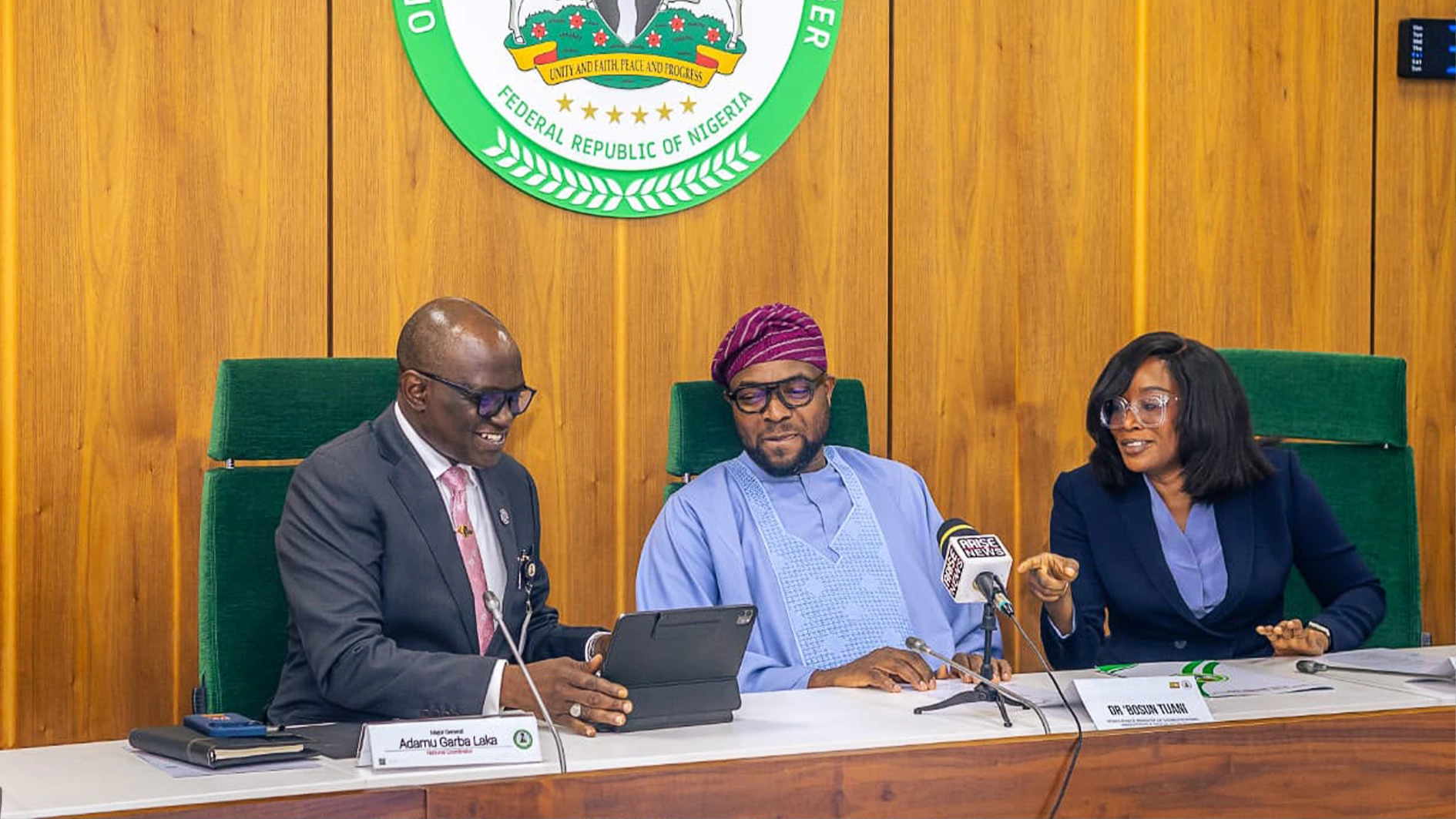
The Federal Government of Nigeria has introduced the National Digital Alphanumeric Postcode System, assigning a unique digital identity to addressable buildings nationwide. Launched through the Nigerian Postal Service (NIPOST), this system aims to tackle the country's poor addressing issues, which result in significant annual losses. According to the Minister of Communications, Innovation and Digital Economy, Bosun Tijani, Nigeria loses an estimated N50 billion to N80 billion annually due to missed and failed deliveries caused by poor addressing.
The Minister emphasized that the problem of poor addressing extends beyond deliveries, affecting emergency services, security operations, financial services, businesses, and government planning. He highlighted the practical implications, including identifying locations for ambulance services during emergencies, pinpointing business locations, and directing critical services. The new system assigns a unique 11-character alphanumeric postcode to every addressable building, linked to its geographical location. This code is constructed through five levels: state, local government area, district, area, and building.
The postcode belongs to the building rather than its occupant, allowing it to remain with the property even when the occupants change. The system is designed to complement conventional address details by providing a standard digital reference that can be used across different platforms. Minister Tijani urged Nigerians to find their postcodes, save them, and start using them when sharing their locations. He emphasized that every Nigerian deserves to be found, every business deserves the chance to reach its customers, and every community deserves to be within reach of opportunity.
The Postmaster General and Chief Executive Officer of NIPOST, Tola Odeyemi, described the initiative as a machine-readable framework for identifying addressable buildings nationwide. In June, during the validation of the postcode model, she disclosed that poor addressing costs the country between N50 billion and N80 billion annually in misdeliveries. Odeyemi stressed that the system is not merely a postal reform but a piece of national infrastructure with applications in logistics, e-commerce, emergency response, financial services, security, and public planning.
For businesses, the postcode can provide a common location reference for customer records, deliveries, e-commerce, and other transactions. Government agencies and emergency responders can also use the system to identify locations more accurately when planning services or responding to incidents. The Federal Ministry of Communications, Innovation and Digital Economy considers the project a critical component of Nigeria’s Digital Public Infrastructure, aiming to provide a unique, verifiable location identity that can strengthen public safety, security, and service delivery.
The system is GIS-enabled and covers addressable buildings in both urban and rural communities. NIPOST’s official platform allows Nigerians to search for, save, and share their postcodes. The service also provides a process for requesting a postcode where a building has not yet been captured. Organisations can integrate the digital postcode into their platforms and workflows, allowing different services to work with a common location reference.
Minister Tijani linked the initiative to the Federal Government’s wider digital economy agenda and President Bola Tinubu’s ambition of building a $1 trillion economy. He urged Nigerians to visit postcode.gov.ng, find their codes, and begin sharing them with businesses, service providers, family members, and others who need to locate them. The postcode system is expected to improve emergency response, security, commerce, and public service delivery, ultimately contributing to Nigeria's economic growth.
Key points
- The National Digital Alphanumeric Postcode System aims to tackle Nigeria's poor addressing issues, which result in estimated annual losses of N50 billion to N80 billion.
- The postcode system provides a unique, verifiable location identity that can strengthen public safety, security, and service delivery.
- The initiative supports President Bola Tinubu’s ambition of building a $1 trillion economy by improving the foundations for Nigerians to participate, trade, and prosper.