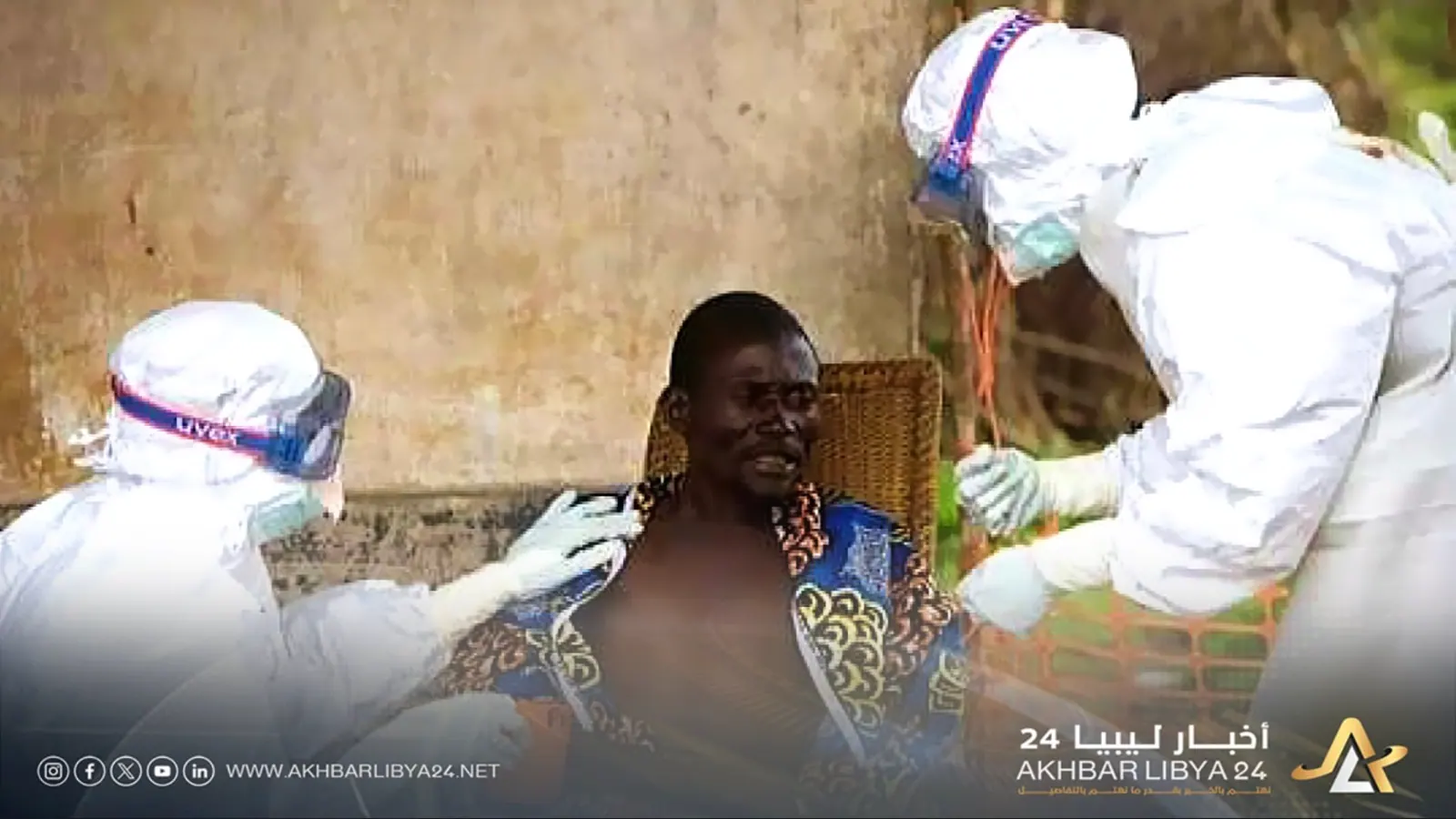
The Ebola outbreak in the Democratic Republic of Congo has continued to spread, with the number of confirmed cases rising to 8,067 and 3,901 deaths reported. The outbreak has now spread to seven provinces, according to the World Health Organization. The situation is complex, with response teams facing numerous challenges, including security concerns, logistical issues, and community resistance.
The crisis is not limited to the medical aspect, but also involves protection, security, and funding. According to Sarah Chiang, the Qatari director of the Danish Refugee Council in the Democratic Republic of Congo, the current crisis is not only a medical issue but also linked to protection, security, and lack of funding, making it difficult for relief and response teams to reach affected populations.
The current strain of Ebola, known as "Bunibakio," is different from the "Zaire" strain, for which vaccines and treatments have been developed. This has left response teams without some of the tools that helped control previous outbreaks. The lack of a specific vaccine or treatment for this strain has complicated efforts to contain the outbreak.
The delay in detecting cases and accessing healthcare is a significant obstacle to containing the outbreak. The World Health Organization has noted that many patients have interacted with others before being isolated, allowing the virus to continue spreading. The lack of diagnostic capacity and laboratory facilities has also slowed down the process of detecting cases and identifying hotspots.
The conflict in the region has also hindered efforts to access infected individuals and control the spread of the virus. The movement of large numbers of people, including displaced persons, and trade across borders has increased the risk of transmission. Response teams face difficulties in accessing certain areas, and attacks on healthcare workers and facilities have disrupted treatment, diagnosis, and vaccination efforts.
In addition to security and logistical challenges, response teams are also facing a crisis of trust in some local communities. Years of conflict, previous outbreaks, and misinformation have led to skepticism towards treatment centers and response teams. Some residents have refused treatment or questioned the existence of the disease, making it harder to detect cases early and contain transmission.
The healthcare system in the Democratic Republic of Congo is already under strain, with a shortage of doctors, nurses, laboratory facilities, and basic medical equipment. This has weakened the ability of healthcare facilities to handle new cases, particularly in rural and conflict-affected areas.
Key points
- The Ebola outbreak in the Democratic Republic of Congo has been complicated by a range of factors, including a new strain of the virus, security concerns, and community resistance.
- The response to the outbreak has been hindered by a lack of funding, with budgets decreasing from $1.4 billion in 2024 to $400 million in early 2026.
- The crisis has highlighted the need for a comprehensive approach to addressing the outbreak, including not only medical interventions but also protection, security, and community engagement.