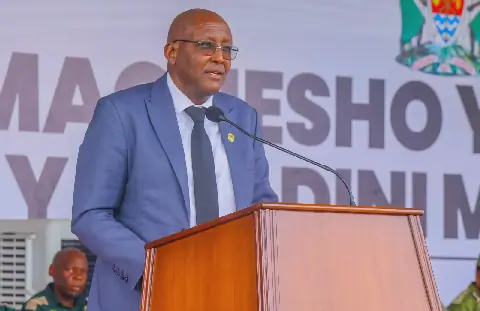
The Federal Government of Nigeria has urged for immediate action to rescue the country's rivers from pollution. Prof. Joseph Utsev, the Minister of Water Resources and Sanitation, made the call on Monday in Abuja while commemorating the 2026 World Rivers Day. He emphasized that sustainable water resources management required a coordinated effort from governments, communities, traditional institutions, the private sector, development partners and civil society.
The theme of this year's World Rivers Day celebration, “No Forests, No Rivers, No Water, No Life,” highlights the interdependence between healthy ecosystems and sustainable water resources. According to Utsev, rivers play a crucial role in supporting agriculture, food production, domestic and industrial water supply, fisheries, biodiversity, livelihoods and economic development. The minister noted that forests, wetlands, floodplains and groundwater recharge areas help protect river sources and regulate water flow.
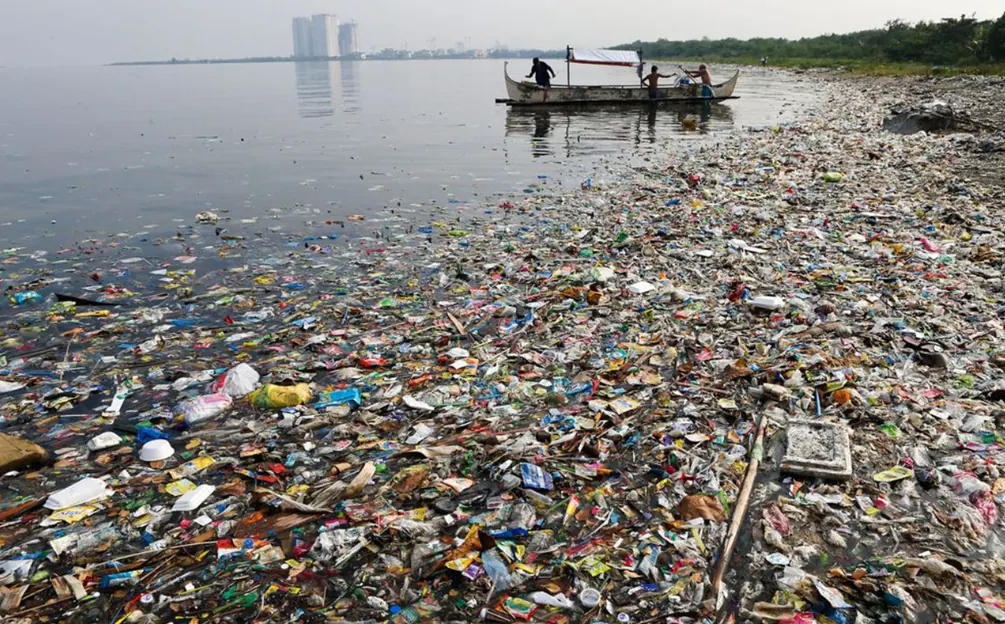
However, Nigeria's rivers are facing numerous challenges, including population growth, urbanization, untreated wastewater, indiscriminate dumping, agricultural runoff, erosion and sand mining. Climate change, changing rainfall patterns, flooding and drought are compounding these challenges, requiring integrated management of watersheds and water resources. Utsev identified the Niger and Benue rivers, as well as streams, wetlands and tributaries, as a shared national heritage that requires collective protection.
The Minister of Water Resources and Sanitation also emphasized the importance of sanitation in river protection. He noted that untreated sewage and wastewater could contaminate water sources, threaten public health, affect livelihoods and compromise water supplies. As part of efforts to address this issue, 179 Local Government Areas have been validated as Open Defecation Free under the Clean Nigeria Campaign.
Furthermore, the government has supported the construction of over 5,238 public sanitation facilities nationwide. Utsev urged Nigerians to stop open defecation and indiscriminate dumping of refuse, plastics and effluents into drains, streams and rivers. He also called for the conservation of forests and wetlands, responsible wastewater management, efficient water use and stronger collaboration among stakeholders.
The government is taking steps to manage excess water and mitigate flooding, including identifying dams that require rehabilitation and locations for new ones. Utsev said the government is exploring private-sector participation in dam construction and rehabilitation, stressing that government alone cannot undertake all the required projects. The ministry is also engaging relevant state governments on water-resource management.
World Rivers Day, observed annually on the fourth Sunday of September, aims to raise awareness of the importance of rivers and promote their conservation and sustainable management. The event has grown into an international observance involving communities in over 100 countries through activities such as river clean-ups, restoration projects and educational programs.
Key points
- The Federal Government calls for integrated management of Nigeria's rivers, forests, wetlands and watersheds.
- Nigeria's rivers face pollution from domestic, industrial and agricultural activities.
- The government is strengthening its capacity to collect and analyze data on rainfall, river flows, groundwater and water quality.