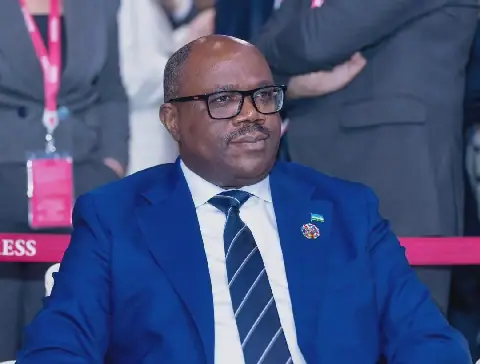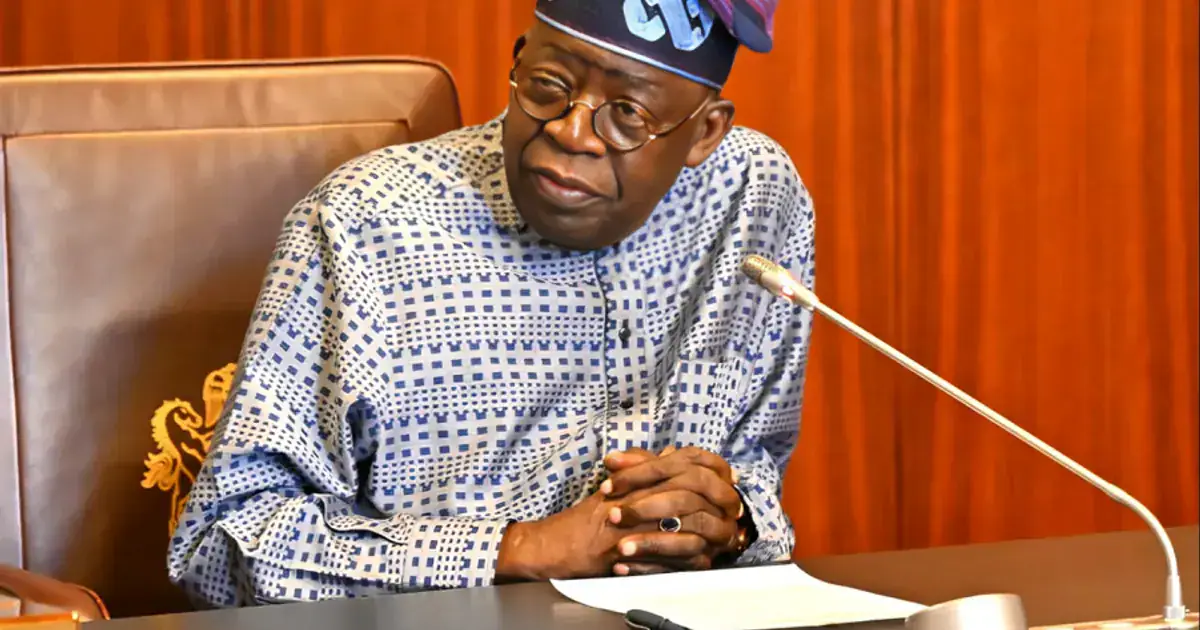
The Federal Government of Nigeria is considering a law that would make it harder for future administrations to reverse President Bola Tinubu's economic reforms. The proposed framework covers policies including petrol subsidy removal, taxation, and tariffs. Finance Minister Taiwo Oyedele says the government wants to establish rules that will make economic policy more predictable and consistent across administrations.
The proposed law aims to "lock in" Tinubu's reforms through institutions, law, and a policy framework so they can last. Oyedele described unpredictable policy as a hidden burden on businesses. Citizens have often cried out against major policies, citing an increase in the cost of living. The framework is based on seven areas: stability, productivity, enterprise, capital, people, markets, and institutions.
Oyedele described the framework as a “national economic doctrine,” not a development plan or political manifesto. It sets principles for how economic decisions are made and doesn’t list individual policies. He said tariffs should help local industry take off and not be a permanent shelter from competition. Officials have also specifically said there will be no return to petrol subsidy or to multiple exchange rate windows.
The framework is still a consultation draft and has not been approved. Public comments are open until November 27, 2026, through 17 questions on the Ministry of Finance’s website. After consultation and validation, it will go to the Federal Executive Council for approval and the National Economic Council for endorsement. The government is also seeking input on whether it should become law.
Core provisions could move into law as soon as next year. The Minister of Budget and Economic Planning, Abubakar Bagudu, told the summit that "there will be no return to subsidy." He acknowledged pressure on households and businesses and said the government would adjust policies and target support to vulnerable Nigerians. He recalled that Tinubu presented a memorandum at the National Economic Council in October 2025 on sustaining the reforms.
The draft allows departures from the framework in an emergency, but any break would need a clear trigger, a time limit, disclosure of the cost, and a published path back. Oyedele said it also proposes mandatory policy impact assessments before major tax, tariff, and regulatory changes. The framework could influence the selection of public officials, with political appointees expected to understand and follow the agreed principles.
The proposal comes as the 2027 elections approach, and opposition politicians call for a reversal of some reforms over rising living costs. Former Vice President Atiku Abubakar has suggested a subsidy arrangement tied to domestic production and the supply of crude to local refineries. The government has maintained that subsidy removal and the unification of the exchange rate were necessary to fix long-standing structural problems.
Key points
- The Federal Government is considering a law to make it harder for future administrations to reverse President Bola Tinubu's economic reforms.
- The proposed framework covers policies including petrol subsidy removal, taxation, and tariffs.
- The framework is based on seven areas: stability, productivity, enterprise, capital, people, markets, and institutions.