The Federal Government of Nigeria has given the green light for the comprehensive modernisation and upgrade of four major ports in the eastern and southern corridors. This move aims to expand Nigeria's cargo-handling capacity and reduce the concentration of maritime traffic around Lagos. The ports slated for upgrade are Onne Port in Rivers State, Rivers Port, Delta Port, and Calabar Port in Cross River State.
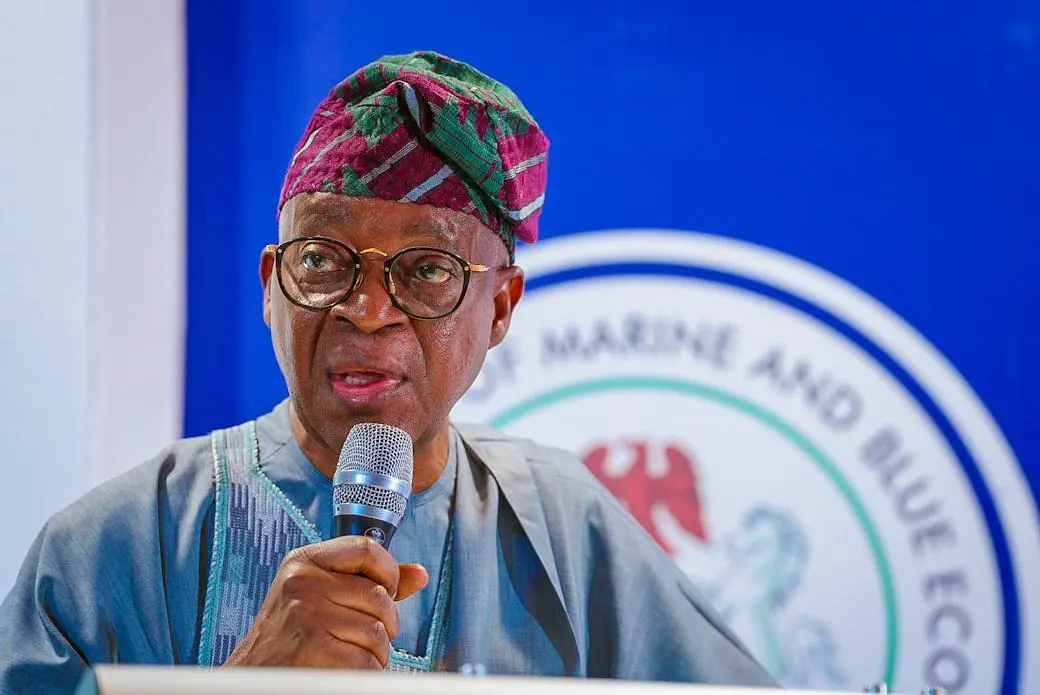
The Minister of Marine and Blue Economy, Adegboyega Oyetola, announced the approval on Sunday, stating that it complements the earlier approval for the modernisation and upgrade of Apapa and Tin Can Island ports in Lagos. This development is expected to broaden Nigeria's port infrastructure base, create alternative gateways for importers and exporters, and improve the efficiency of cargo movement across different regions.
The upgrade of the four ports is anticipated to enhance cargo handling, reduce vessel turnaround times, strengthen regional connectivity, and make the movement of goods more predictable and cost-effective. According to Oyetola, extending the modernisation programme beyond Lagos will help reduce the concentration of cargo traffic around the nation's busiest commercial centre by creating additional efficient gateways for international trade.
The government's port expansion strategy is part of a broader push to increase maritime capacity and position the sector as a stronger contributor to trade, investment, and economic growth. The Federal Government has also approved the development of several new deep-sea ports, including the Ibom Deep Seaport in Akwa Ibom, Bakassi Deep Seaport in Cross River, Agge Deep Seaport in Bayelsa, Gateway Deep Seaport in Ogun, Ondo Deep Seaport in Ondo, and Bonny Deep Seaport in Rivers State.
The combination of upgraded existing ports and new deep-sea facilities will provide greater capacity to accommodate rising trade volumes and support the emergence of stronger economic corridors across the country. Oyetola stated that the government's approach is comprehensive, modernising existing ports while facilitating the development of new deep-sea ports to give Nigeria greater capacity to handle increasing volumes of trade and attract investment.
The Federal Government plans to develop an integrated maritime and logistics network in which seaports are effectively linked with roads, railways, and inland waterways. This integration aims to facilitate seamless cargo evacuation, reduce logistics costs, and improve the predictability of supply chains for Nigerian businesses. The minister emphasised that the goal is to build a port system that is efficient, transparent, and globally competitive.
The ministry will collaborate with state governments, terminal operators, investors, shipping companies, and other stakeholders to ensure that the various port projects translate into improved maritime services and wider economic opportunities. The upgrade of the four ports and the development of new deep-sea ports are expected to transform Nigeria's maritime infrastructure and unlock the enormous economic potential of its ports.
Key points
- The upgrade of the four ports aims to reduce the concentration of cargo traffic around Lagos.
- The Federal Government has approved the development of several new deep-sea ports across the country.
- The port expansion strategy seeks to position the maritime sector as a stronger contributor to trade, investment, and economic growth.