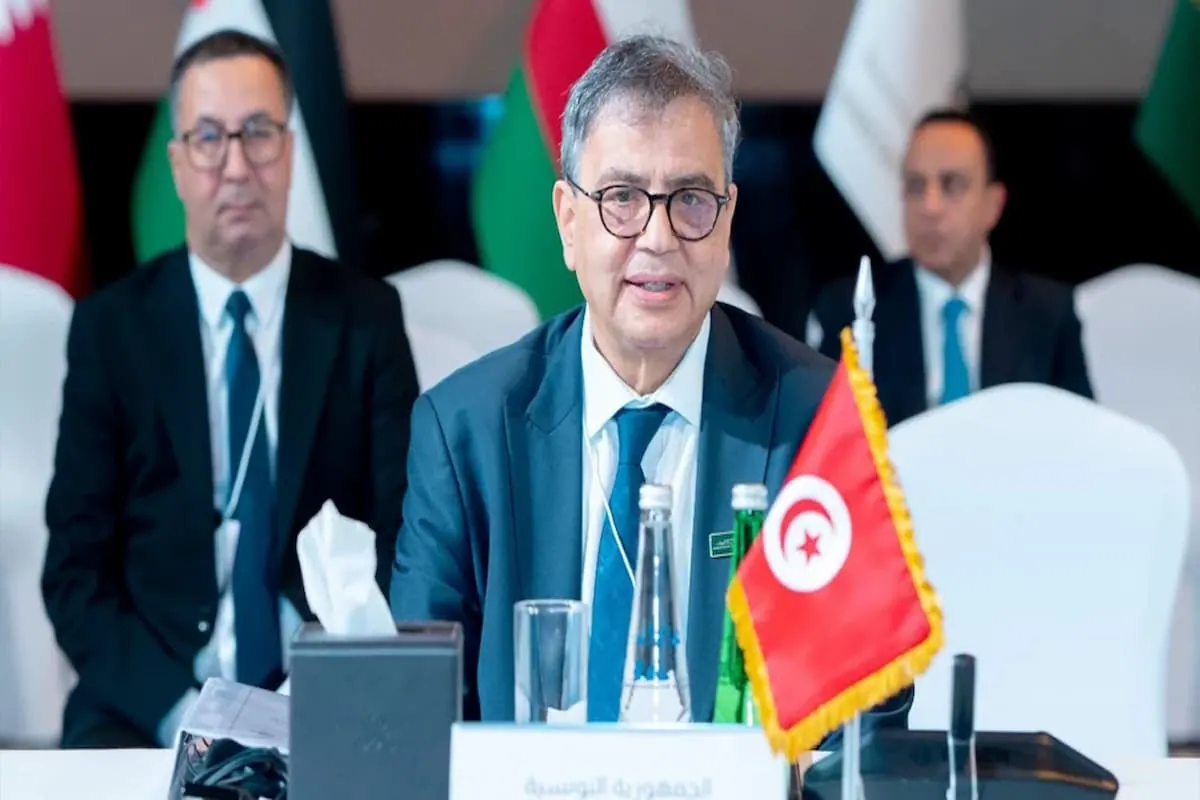
On September 29, 2026, financial leaders from the Arab region gathered in Abu Dhabi for the 50th annual meeting of the Council of Arab Central Banks and Monetary Institutions. Tunisian Central Bank Governor Fethi Zouhair Nouri presented a case for a common economic protection mechanism. Nouri emphasized that nearly five decades of collective action must now be enhanced with new tools to anticipate crises, share risks, and accelerate responses. He cited increasing interconnected crises, including geopolitical, energy, food, financial, climate, and cyber threats.
Nouri proposed transforming financial capacity gaps between surplus and under-pressure countries into collective strength through agreed-upon mechanisms. He outlined five concrete proposals to achieve this goal. These included a common Arab stress test simulating trade disruptions, energy and food price hikes, and international financing difficulties. Additionally, he suggested establishing a network of swap lines and repo agreements, coordinated with the Arab Monetary Fund, with pre-set conditions for crisis situations.
The Tunisian central bank governor also recommended setting up an early warning observatory to monitor energy, food, maritime, insurance, and capital flow risks. Furthermore, he advocated for expanded commercial use of the "Buna" payment system with measurable objectives. A common framework for protecting payment systems, including an annual regional exercise against cyber and operational risks, was another proposal. Nouri emphasized the need for a progress review at the next meeting.
According to Nouri, the role of central banks must evolve to address the changing landscape of crises. Stability no longer means the absence of crises but the ability to navigate them while preserving fundamental balances and banking services continuity. This requires better anticipation, securing and mobilizing reserves, and preparing tested crisis plans. Clear responsibilities must be defined to maintain institutional credibility.
The governor of the Central Bank of Tunisia urged the Abu Dhabi meeting to mark the beginning of concrete steps, citing the interdependence of Arab economies. He stressed that the crisis does not allow for reflection, and decisive actions are necessary. Nouri's proposals aim to enhance cooperation and preparedness among Arab nations in the face of growing uncertainties.
The meeting of Arab central bank governors and monetary institutions highlighted the need for collective action against economic shocks. Tunisia, under Nouri's leadership, is pushing for a more proactive and coordinated approach to crisis management. The region faces significant challenges, including rising energy costs, food insecurity, and climate-related risks.
The call for an Arab economic shield against crises comes as the region faces mounting pressures. Nouri's initiative seeks to build a more resilient and cooperative economic framework. The success of this endeavor will depend on the willingness of Arab nations to work together and implement the proposed measures. A progress review is expected at the next meeting.
Key points
- Fethi Zouhair Nouri proposes a common Arab stress test and early warning observatory to enhance crisis preparedness.