A recent opinion piece by Justin O'Riain and Joselyn Mormile argued that freedom is essential for animals, enabling them to move, forage, and interact with their environment. However, the question remains how to protect that freedom while addressing the dangers baboons face in residential areas. David Gaynor agrees that freedom is crucial and proposes fencing Simon's Town as a solution to keep baboons out of danger while preserving their freedom and role in the ecosystem.
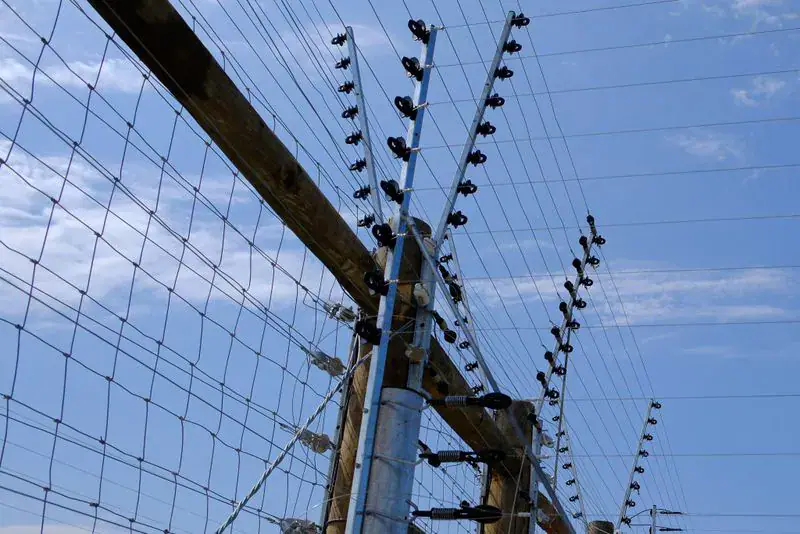
The Cape Baboon Partnership reported that the Waterfall troop spent the whole day on the mountain on October 12, behaving like wild baboons. This part of their lives must be considered when weighing their welfare. Gaynor suggests that fencing Simon's Town could humanely keep baboons out of residential areas while retaining them as a natural troop and part of the Peninsula ecosystem. Successful examples of electric fences at Zwaanswyk have kept baboons out of residential areas, and Gaynor argues that this approach could work for the Waterfall and Seaforth troops.
The authorities have raised 10 objections to fencing Simon's Town, including insufficient suitable natural habitat outside the fence, displacement into the next unfenced suburb, and entrenched habituation and urban-ranging behavior. However, Gaynor rejects these objections, arguing that the available habitat outside the fence is suitable and that the troops would not simply move to the next unfenced suburb. He cites his observations of the Waterfall troop's movements, which suggest that they would move into the mountains rather than neighboring settlements.
Gaynor also challenges the authorities' argument that the available higher ground cannot provide a sufficiently attractive alternative to productive low-lying areas. He notes that there is no research on the productivity of the area in question, but his experience suggests that it contains some of the better baboon habitat on the Peninsula. A Normalised Difference Vegetation Index analysis of vegetation greenness also supports this view.
The Joint Task Team's approach to habitat and population limits has been inconsistent, Gaynor argues. The northern peninsula has substantially less low-lying natural land than the southern peninsula, but the Action Plan sets a northern population limit of 250 baboons, compared with 175 in the managed southern population. Gaynor questions how the Joint Task Team reconciles these decisions with its argument that insufficient low-lying habitat makes fencing unsuitable for the Waterfall troop.
Gaynor proposes that a fence along the existing firebreak should be the outcome the authorities support. He argues that this approach would address the acknowledged welfare problem of baboons entering residential areas while keeping them wild and fulfilling their role in the ecosystem. This approach would also be more humane than keeping the baboons in a small camp, where they would be at risk of dwindling numbers and reduced welfare.
Ultimately, Gaynor argues that fencing Simon's Town could be a solution that balances the welfare of the baboons with the need to protect human communities. He calls for a clear scientific explanation of the Joint Task Team's approach to habitat and population limits and for the authorities to reconsider their objections to fencing Simon's Town.
Key points
- Fencing Simon's Town could reduce conflict between humans and baboons without sacrificing the animals' freedom.
- The authorities' objections to fencing Simon's Town can be addressed through a thorough analysis of the available habitat and the troops' behavior.
- A fence along the existing firebreak could be a humane solution that preserves the baboons' welfare and role in the ecosystem.