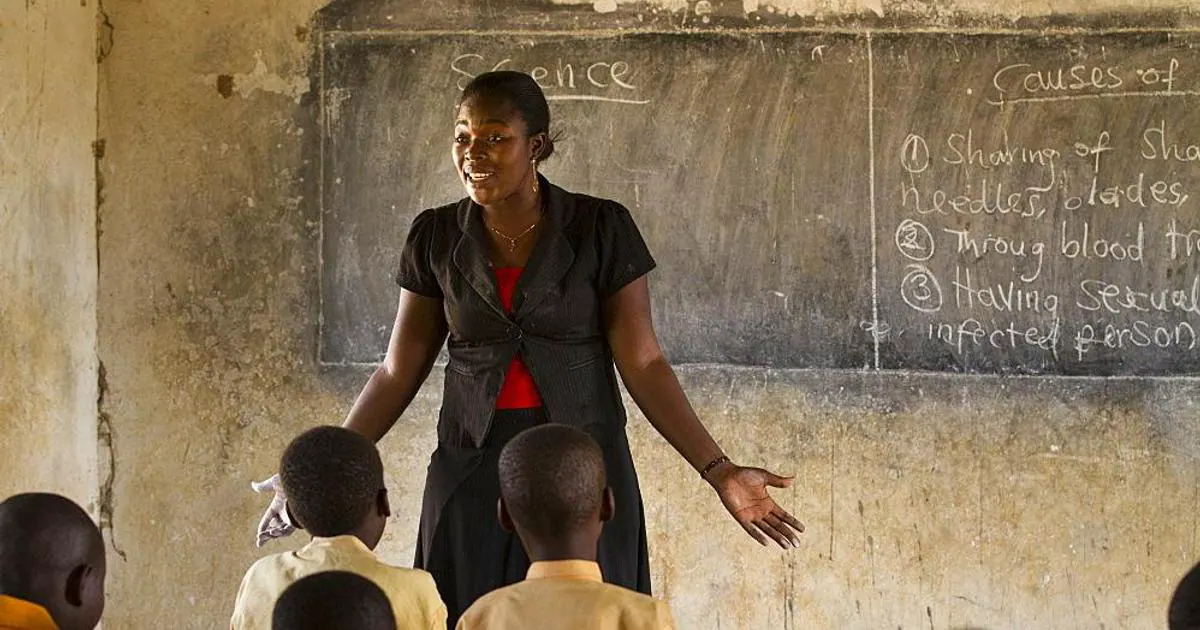
Female teachers posted to rural and hard-to-reach areas in Ghana face harsh living conditions that can affect their personal lives and careers. According to Linda Ama Boadiwaa, National Gender Desk Coordinator of the National Association of Graduate Teachers (NAGRAT), these teachers struggle to access basic necessities, including accommodation, healthcare, and safe drinking water. This has become a major concern for teacher unions, who are demanding the implementation of the Deprived Area Allowance to encourage teachers to accept postings to underserved communities.
The difficult conditions faced by female teachers in rural areas can also affect their personal lives and educational aspirations. Some female teachers end up marrying local men, such as palm wine tappers or chiefs, due to the lack of suitable accommodation and basic amenities. This can be attributed to the government's failure to provide adequate incentives to motivate teachers to accept postings to rural areas. The situation has become so dire that some teachers have to take motorbikes and cross rivers to access these areas.
The Ghana National Association of Teachers (GNAT), National Association of Graduate Teachers (NAGRAT), and Pre-Tertiary Teachers Association of Ghana (PRETAG) have declared a nationwide strike over unresolved concerns about teachers' conditions of service and outstanding payments. The strike, which began on September 25, 2026, follows prolonged delays and unfulfilled commitments by the government and the Fair Wages and Salaries Commission (FWSC).
Among the key demands of the teacher unions is the implementation of the Deprived Area Allowance, which is intended to encourage teachers to accept postings to underserved communities. The unions are also demanding the conclusion of negotiations for a new Collective Agreement, automatic placement of teachers who passed promotion examinations onto the appropriate salary scales, and payment of related arrears.
The situation faced by female teachers in rural Ghana highlights the need for the government to prioritize the welfare of teachers in deprived areas. The lack of basic amenities, such as accommodation, healthcare, and safe drinking water, can have a significant impact on the well-being and effectiveness of teachers. The teacher unions' demands are aimed at addressing these challenges and ensuring that teachers are adequately compensated and motivated to provide quality education.
The strike by teacher unions has significant implications for the education sector in Ghana. With over 700,000 workers affected, the strike could have far-reaching consequences for the country's education system. The government is urged to address the concerns of the teacher unions to prevent further disruptions to the education sector.
The challenges faced by female teachers in rural Ghana are a microcosm of the broader issues affecting the education sector in the country. Addressing these challenges will require a comprehensive approach that prioritizes the welfare of teachers, improves infrastructure, and provides adequate resources to support quality education. The government, teacher unions, and other stakeholders must work together to find solutions to these challenges and ensure that teachers are able to provide quality education to all students.
Key points
- The lack of accommodation, healthcare, and access to safe drinking water for female teachers in rural Ghana can affect their personal lives and careers.
- Teacher unions in Ghana have declared a nationwide strike over unresolved concerns about teachers' conditions of service and outstanding payments.
- The implementation of the Deprived Area Allowance is a key demand of the teacher unions to encourage teachers to accept postings to underserved communities.