A crisis is unfolding in Kenya's education sector as thousands of students face uncertainty over their university and college placements due to a funding snag. Parents of students have been forced to borrow from informal lenders to keep their children in school, while others remain at home, unsure of their next course of action. The situation has left stakeholders warning of a looming crisis, with concerns that students could graduate carrying huge debts accumulated while waiting for government support that never came through as promised.
The government's funding promise, which was expected to alleviate the financial burden on students and their families, has yet to materialize. Families who had planned to organize fundraising events, known as harambees, to raise fees early shelved those plans after the government's funding promise, only to find themselves stranded when the disbursement failed to materialize. This has left many students attending classes without knowing whether they will be allowed to continue.
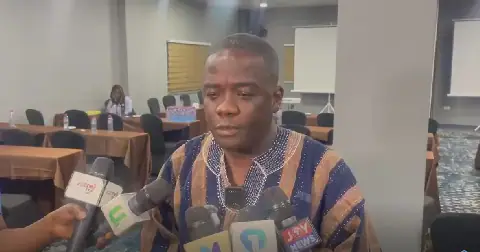
Boaz Waruku, Policy Advisor at the Elimu Bora Working Group, has called on the government to clarify its position on the affected September intake students and outline a clear way forward. Speaking during a press briefing on Sunday, Waruku emphasized the need for parliament to legislate the right to education, rather than relying on government promises. He also revealed that a memorandum has already been submitted to parliament regarding proposed changes to the law governing higher education financing.
Waruku outlined a set of proposals aimed at easing the immediate crisis. For students already placed and in school, he called for the Higher Education Loans Board (HELB) and the University Fund to be granted their allocations immediately so they can disburse an interim funding stream to affected students. This move is expected to provide temporary relief to students who are struggling to make ends meet.
For those still stranded at home awaiting placement, Waruku proposed that the Ministry of Interior coordinate a mop-up exercise to help them travel to their designated institutions so they too can access the interim funding once it is released. He also raised concern over the state of learning institutions themselves, questioning how administrators are expected to run their institutions without disbursements.
The situation has sparked fears of a looming crisis, with concerns that students could graduate carrying huge debts accumulated while waiting for government support that never came through as promised. Stakeholders are warning that learners from poor households should not be pushed into debt over a government commitment that has yet to be honoured. The Ministry of Education and other agencies are working to untangle the confusion.
As the situation continues to unfold, Waruku has appealed to Members of Parliament to treat the matter with urgency. The Elimu Bora Working Group is embracing the aspect of bringing the Tertiary Education Placement and Funding Bill, which emphasizes universal placement and funding. The group is pushing for a clear mechanism for actualizing these principles to ensure that students receive the support they need to pursue their education.
Key points
- The Kenyan government is under pressure to clarify its position on funding for university and college students.
- Students are facing uncertainty over their placements due to a funding snag.
- Stakeholders are warning of a looming crisis, with concerns that students could graduate carrying huge debts.