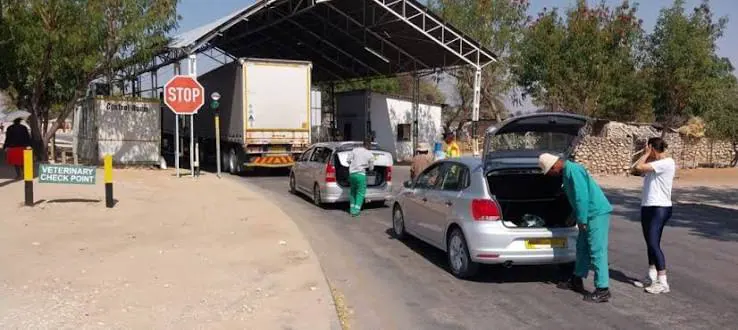
The confirmation of foot-and-mouth disease in Namibia's FMD-free zone has sparked concerns over the country's economic and livelihood stability. Acting minister of agriculture, fisheries, water and land reform Charles Mubita announced on 23 September that FMD had been detected at a commercial farm in the Karasburg State Veterinary District. Ten of 11 animals tested positive for the disease, which was reportedly detected through routine surveillance. This detection has triggered significant restrictions, including the suspension of the movement of cloven-hoofed animals and their products.
The Namibian government has responded swiftly to the outbreak, with authorities considering dividing the country's FMD-free zone into smaller zones. This approach could allow unaffected areas to continue trading if the disease remains geographically contained. The restrictions aim to mitigate the economic impact of FMD, which can disrupt an entire economic ecosystem. The livestock industry, a significant contributor to Namibia's economy, supports numerous farmers, workers, transporters, auctioneers, veterinarians, feed suppliers, abattoir workers, and meat processors.
The FMD outbreak serves as a test of leadership for Namibia, requiring a coordinated response comparable to a national economic emergency. The government can draw lessons from its experience with Covid-19, which required rapid detection, containment, surveillance, clear communication, and public cooperation. Establishing a national response architecture, as seen during the Covid-19 pandemic, could facilitate effective management of the FMD outbreak.
The economic consequences of FMD control measures can be severe, affecting not only the livestock industry but also related sectors. Farmers, abattoirs, and transporters may experience reduced business, while workers face reduced hours or unemployment. Rural communities may see decreased circulation of money through local shops, transport businesses, and service providers. The agriculture ministry has acknowledged the gravity of the situation, stating that the suspension of livestock marketing and products has serious implications for the national economy and livelihoods.
Namibia has invested significant effort into protecting its livestock export reputation, which is crucial for maintaining access to international markets. The country's meat exports were valued at N$1.43 billion during the first five months of 2026, with most destined for European markets. Meat-processing capacity has been expanding, with Savanna Beef Processors receiving European Union export certification in April this year.
The current outbreak highlights the need for a comprehensive response that involves multiple ministries, including finance, trade and industry, and labour authorities. The issue extends beyond the Ministry of Agriculture, requiring a coordinated effort to mitigate the economic and social impacts. Jobs are at stake, and the government must approach this outbreak with a level of urgency and leadership comparable to a national economic emergency.
An investigation into how FMD entered the FMD-free zone is crucial to preventing future outbreaks. The public needs to be informed about the source of the disease, and the government should provide updates on the investigation. Understanding the cause of the outbreak will help prevent similar incidents and ensure the effective management of FMD in Namibia.
Key points
- The Namibian government faces a significant test of leadership in responding to the FMD outbreak.
- The outbreak has severe economic implications, affecting the livestock industry and related sectors.
- A coordinated response, involving multiple ministries and stakeholders, is necessary to mitigate the impacts of the outbreak.