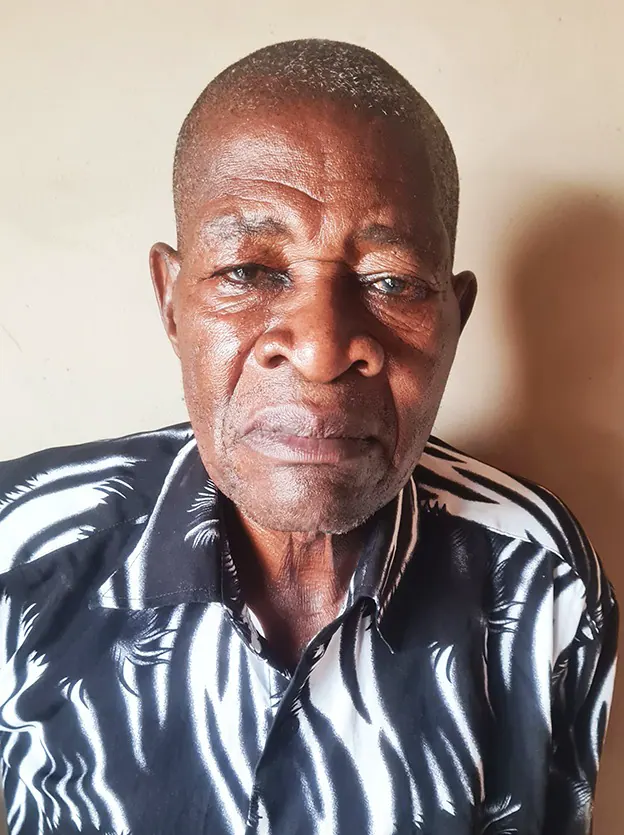
Dr. K. A. Busia returned to Ghana from Britain after the 24th February 1966 coup d’état that ousted Dr. Kwame Nkrumah. He was appointed Chairman of the National Advisory Committee of the National Liberation Council (NLC). This move was seen as a strategic step towards assuming leadership, as the grounds had been prepared for him to take over after the military handed over power. Busia went on several trips on behalf of the NLC military government, further solidifying his position.
Dr. Busia's political orientation was consistent with that of the NLC military government, making him a prominent politician at the time. While in self-imposed exile in Britain, he publicized Dr. Kwame Nkrumah's 'atrocities' by describing him as a Communist to international media outlets such as the BBC and VOA. This move contributed to Dr. Nkrumah's downfall and created an opportunity for Dr. Busia to assume power. In 1969, Dr. Busia won the general election with a landslide victory, securing a huge majority in Parliament.
As Ghana's Second Prime Minister, Dr. Busia's administration was marked by controversy. He discarded his democratic credentials and became a crude dictator, clashing with the Judiciary after dismissing 568 Civil & Public Servants on suspicion of being members of Dr. Nkrumah's Convention People's Party. One Mr. E. K. Sallah sued the government in court and won the case, but Dr. Busia refused to reinstate the dismissed workers, citing that no court could compel the government to employ or re-employ anybody.
Dr. Busia's clash with the Judiciary was not an isolated incident. He was the second Head of State to do so, following in the footsteps of Dr. Nkrumah, who sacked a no-nonsense Chief Justice, Sir Arku Korsah, for acquitting and discharging Mr. Tawiah Adamafio and five others during the Kulungugu bomb trial in December 1962. Dr. Busia's actions set a precedent for future leaders, including Mr. J. A. Kufuor, who would later become President of Ghana.
Mr. J. A. Kufuor, a young Deputy Minister for Foreign Affairs under Dr. Busia's Progress Party government, witnessed firsthand how Busia sacked 568 public and civil servants with impunity. This event, nicknamed "Apollo 568," had a lasting impact on Kufuor's political career. When Kufuor became President in 2001, he dismissed all NDC appointees in the Civil and Public Service, mirroring Dr. Busia's actions.
Dr. Busia's response to Ghana's acute food shortage was criticized as inadequate. His Minister of Agriculture, Dr. Safo Adu, organized a march, dubbed "Hoot at Hunger," where supporters drove from Accra to Akropong, shouting "Hunger, go away! Hunger, go away!" However, this effort did not alleviate the food shortage. In contrast, Chairman Rawlings' efforts to produce more food during the PNDC era were more successful.
Dr. Busia's relationship with the military was complex. He appointed Lt. Colonel Acheampong to fill Brigadier Twum Barima's position as Commander of the First Infantry Brigade, but it was Acheampong's troops that eventually staged a coup and sacked Busia from office. Busia condemned the coup, stating that soldiers were employed to protect, not destroy, but he had previously congratulated Col. Kotoka and Major Afrifa for overthrowing Dr. Nkrumah in 1966.
Key points
- Dr. K. A. Busia's appointment as Prime Minister in Ghana's Second Republic was a strategic move by the National Liberation Council.
- Dr. Busia's administration was marked by controversy, including clashes with the Judiciary and the dismissal of 568 Civil & Public Servants.
- Dr. Busia's actions set a precedent for future leaders, including Mr. J. A. Kufuor, who would later become President of Ghana.