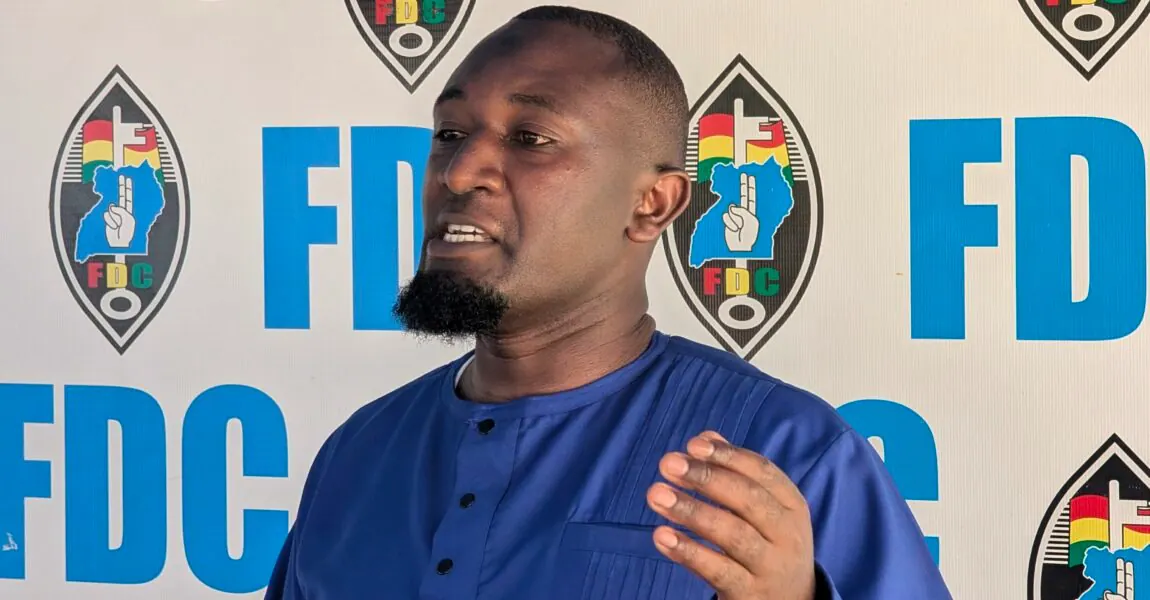
The Forum for Democratic Change (FDC) has expressed concerns over a proposed policy by the Ministry of Education and Sports that seeks to centralize teacher training in a few government-controlled institutions. According to FDC Deputy Spokesperson Warid Mulindwa Lubega, the policy could exacerbate Uganda's teacher shortage and limit access to teacher training. The party has urged the government to reconsider the proposal.
The proposed policy aims to place all teacher training institutions in Uganda under the direct control of the Ministry of Education and Sports. This would involve phasing out the country's 33 Primary Teachers' Colleges, five National Teachers' Colleges, as well as teacher training programmes offered by universities. Lubega argued that instead of closing existing institutions, the government should focus on introducing a uniform national curriculum and providing retraining for teachers and tutors.
Lubega emphasized the need for increased investment in teacher-training facilities and improved welfare for tutors. He also urged the Ministry of Education and Sports to conduct wider consultations with stakeholders, including teachers, tutors, universities, colleges, parents, students, and local governments, before adopting the proposed policy. This, he believes, would ensure that the policy is comprehensive and addresses the needs of all stakeholders.
The FDC party is concerned that centralizing teacher training without addressing existing challenges could undermine efforts to produce enough qualified teachers for Uganda's growing education sector. The party believes that the proposed policy could have far-reaching consequences, including worsening the teacher shortage and limiting access to quality education.
The Ministry of Education and Sports has yet to present the proposed policy to Cabinet for approval. Lubega's comments come at a time when Uganda is grappling with a shortage of teachers, particularly in rural areas. The FDC party is calling for a more inclusive and comprehensive approach to addressing the country's education challenges.
The proposed policy has sparked debate among education stakeholders in Uganda. While some argue that centralization could improve the quality of teacher training, others believe that it could limit access to education, particularly for those in rural areas. The FDC party is urging the government to engage in wider consultations to ensure that the policy is in the best interests of all stakeholders.
The FDC party's opposition to the proposed policy is part of its broader efforts to promote education and improve the welfare of teachers and students in Uganda. The party has been actively engaged in advocating for education reform and has called for increased investment in the education sector.
Key points
- The FDC party opposes the proposed centralization of teacher training institutions.
- The proposed policy could worsen Uganda's teacher shortage and limit access to teacher training.
- The FDC party is calling for wider consultations and a more inclusive approach to education policy.