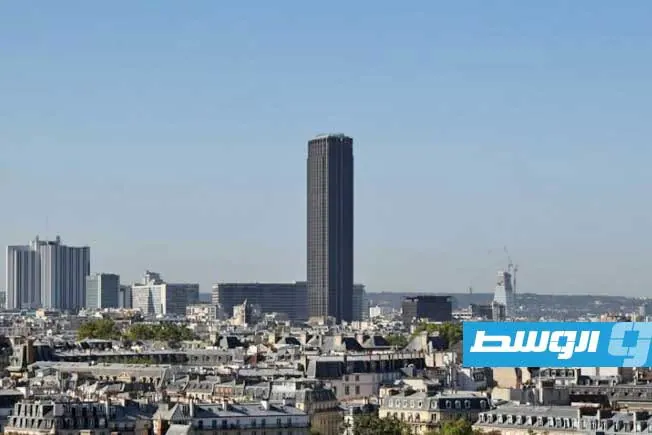
The Montparnasse Tower, located in southern Paris, was completed in 1973 and stands at 210 meters tall with 59 floors. Despite being the tallest skyscraper in Paris, it has been a subject of ridicule among locals and visitors alike due to its design, which clashes with the city's historic and architectural landscape. The tower's reputation as an eyesore has been reinforced by its unique characteristic: its surface is the only spot in Paris from which the Eiffel Tower cannot be seen.
On Wednesday, the majority of the tower's owners voted against a renovation project that had been in the works since 2015. The proposed project, estimated to cost €800 million, aimed to transform the tower into a sleek glass skyscraper with green balconies, a hotel, shops, and a rooftop greenhouse. However, the owners rejected the plan, citing concerns over costs and the project's scope. The decision was made during an extraordinary general assembly, where four owners expressed support for a smaller-scale renovation project.
The rejection of the renovation project has sparked concerns about the tower's future. The current permit for the renovation is set to expire at the end of November, and it remains unclear what will happen to the tower if no new plans are put in place. Philippe Guggene, the mayor of the 15th arrondissement of Paris, where the tower is located, has urged the owners to reconsider their decision, stating that it would be a shame to abandon a project that had taken ten years to develop.
The Montparnasse Tower has become a contentious issue in Paris, with some viewing it as an architectural blunder and others seeing it as a symbol of the city's modernization. The tower's owners, including French insurance companies and investment funds, have been at odds over the renovation project. While some have expressed concerns about the project's cost and feasibility, others have argued that it is necessary to revitalize the tower and make it more sustainable.
The French media has been critical of the owners' decision, with some outlets describing it as a "disastrous failure." The tower's fate now hangs in the balance, with some speculating that it may continue to stand as a testament to Paris' complex relationship with modern architecture. Despite its reputation, the tower remains a prominent landmark in the city, and its renovation could have significant implications for the urban landscape.
The decision to reject the renovation project has sparked a wider debate about the role of modern architecture in historic cities like Paris. While some argue that the tower's design is out of place in the city's historic landscape, others see it as an opportunity to create a more sustainable and modern urban environment. As the city continues to evolve, the fate of the Montparnasse Tower will likely remain a topic of discussion among architects, urban planners, and locals alike.
Key points: - The Montparnasse Tower's renovation project was rejected by its owners due to concerns over costs and scope. - The tower's future is uncertain, with its current permit set to expire at the end of November. - The decision has sparked a wider debate about modern architecture in historic cities like Paris.