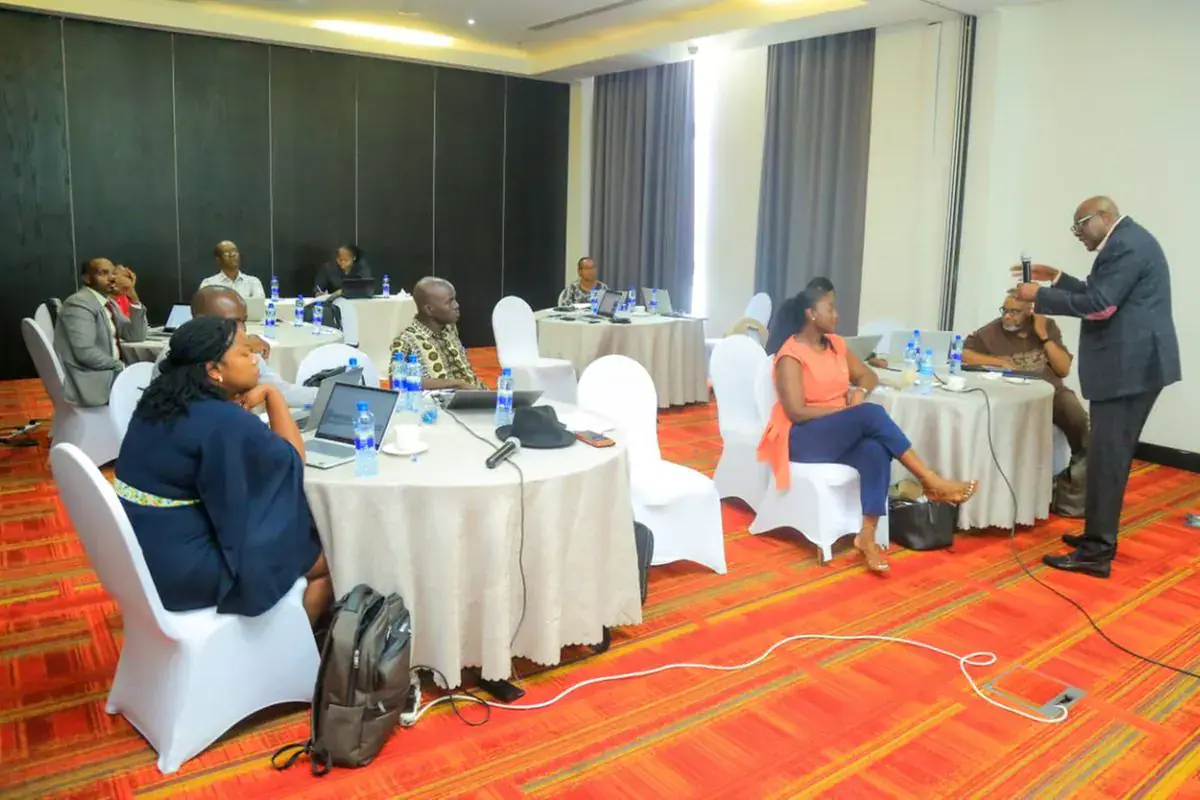
The Food and Agriculture Organisation of the United Nations (FAO) has urged East African Community (EAC) partner states to address persistent food safety gaps. These gaps are undermining agricultural trade and restricting businesses' access to regional and international markets. The FAO representative, Suffyan Korona, emphasized the importance of addressing these challenges to improve food safety and facilitate trade within and beyond the region. This call was made during the second meeting of the Regional Steering Committee of the African Development Bank-funded Food and Agriculture Policy Action Programme (AfDB-FAPA) project in Dar es Salaam on October 28, 2026.
The identified gaps include inadequate scientific evidence to guide the development of food standards, limited mutual recognition of certification systems, poor coordination among national food safety authorities, and repeated product testing at border points. Korona warned that these inadequacies could create unnecessary trade barriers and increase the cost of doing business. He stressed that addressing these challenges is critical to improving food safety and promoting trade. The FAO is working closely with EAC partner states to enhance food safety and facilitate trade.
The AfDB-FAPA project, which is scheduled to conclude in December 2026, has made significant progress in addressing food safety challenges. The project has trained 23 trainers in standards development and supported the preparation of an EAC guide for developing standards in line with Codex guidelines. Additionally, 48 standards developers have been trained to use the guide, while 60 scientists have received training in laboratory management, food analysis, and proficiency testing. These efforts aim to enhance the capacity of EAC partner states to develop and implement food safety standards.
The project has also reached more than 100 agricultural entrepreneurs, providing training on EAC food standards, enterprise-level quality management systems, and access to testing and certification services. Korona commended the regional and national steering committees, the African Development Bank, and the EAC Secretariat for supporting the project's implementation. He emphasized that the meeting would also assess lessons from the initiative and explore ways of sustaining the capacities developed after its closure.
Nickonia Mwambene, Acting Director of Standards Development at the Tanzania Bureau of Standards (TBS), highlighted the importance of food safety in protecting public health, building consumer confidence, and strengthening trade competitiveness. He urged EAC partner states to sustain the project's achievements through continued investment, stronger institutional ownership, and regional cooperation. Mwambene emphasized that food safety risks do not recognize national borders and that a collective commitment to addressing them is necessary.
Mwambene also stressed that the project's success should be measured by tangible improvements in food safety, stronger institutions, and more competitive businesses. He encouraged EAC partner states to invest in harmonized standards, competent laboratories, and effective regulatory systems to enable agricultural businesses to compete in regional markets. The two-day meeting brought together representatives of EAC partner states, FAO country offices, the African Development Bank, and other regional institutions.
The meeting reviewed progress made under the project and explored ways to sustain the capacities developed. Korona and Mwambene emphasized the need for continued collaboration and investment in food safety initiatives. The FAO and EAC partner states are working together to address food safety challenges and promote trade in the region. The project's achievements and lessons learned will inform future initiatives aimed at improving food safety and facilitating trade in East Africa.
Key points
- FAO calls on EAC states to address food safety gaps undermining agricultural trade.
- AfDB-FAPA project trains trainers and standards developers to enhance food safety capacity.
- EAC partner states urged to sustain project achievements through continued investment and regional cooperation.