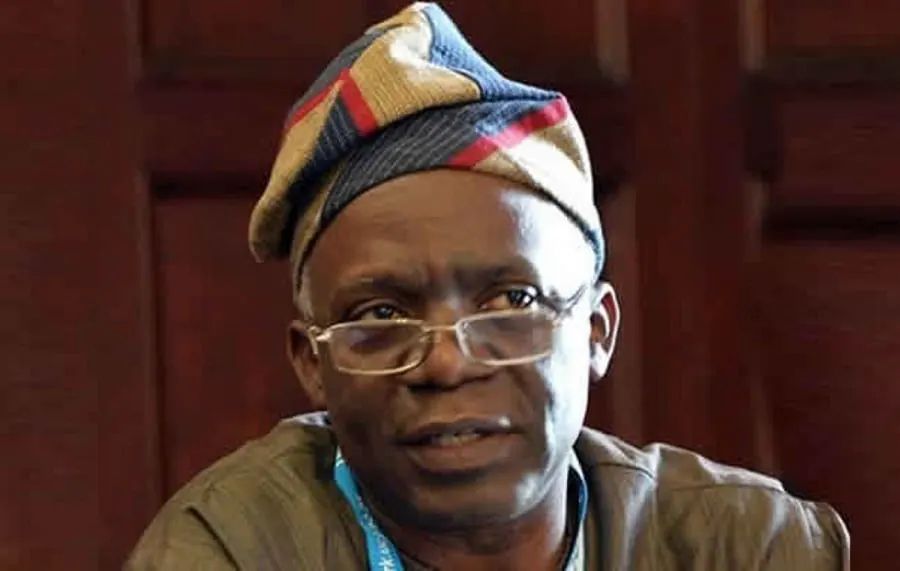
Human rights lawyer Femi Falana has filed a suit against the Federal Republic of Nigeria at the ECOWAS Community Court of Justice, alleging violations of his fundamental rights during successive military administrations in the 1980s and 1990s. The suit, marked ECW/CCJ/APP/30/2026, was filed in Abuja and seeks declarations that his arrests, detentions, alleged abduction, and restrictions on his movement were unlawful. Falana is seeking $10 million in damages for alleged violations of his rights.
According to the suit, Falana's confrontation with the authorities began during his National Youth Service Corps (NYSC) year in Oyo State between 1982 and 1983. He represented University of Ibadan students charged with conspiracy and attempted murder following a dispute involving the university's vice-chancellor. The NYSC authorities allegedly withheld his discharge certificate because he represented the students without official permission. This incident marked the beginning of a series of events that led to the alleged violations of his rights.
Falana stated that the alleged violations of his rights include unlawful arrests, detentions, and restrictions on his movement. He claimed that these actions were carried out by the military authorities during their administration in the 1980s and 1990s. The senior lawyer prayed the ECOWAS court to consider the alleged violations under the African Charter on Human and Peoples' Rights and applicable ECOWAS legal instruments.
The ECOWAS Community Court of Justice will review Falana's application and determine whether the Nigerian government violated his fundamental rights. The court will examine the facts presented in the suit and decide whether the alleged actions of the military authorities were lawful or not. If the court finds in favor of Falana, the Nigerian government may be required to pay $10 million in damages.
Falana's suit against the Nigerian government highlights the challenges faced by human rights lawyers in the country. Many lawyers have faced harassment and intimidation for defending human rights cases. Falana's case demonstrates the importance of protecting human rights and the rule of law in Nigeria. The outcome of this case may have implications for future human rights cases in the country.
The Nigerian government has not commented on the suit filed by Falana. However, the government has a responsibility to protect the human rights of its citizens. The ECOWAS Community Court of Justice has jurisdiction to review cases involving human rights violations in member states. The court's decision in this case may set a precedent for future cases involving human rights violations.
Falana's case is one of many human rights cases pending before the ECOWAS Community Court of Justice. The court plays a crucial role in promoting human rights and the rule of law in West Africa. The outcome of Falana's case will be closely watched by human rights activists and lawyers in Nigeria and across the region.
Key points
- Falana seeks $10 million in damages for alleged violations of his rights.
- The ECOWAS Community Court of Justice will review Falana's application and determine whether the Nigerian government violated his fundamental rights.
- Falana's case highlights the challenges faced by human rights lawyers in Nigeria.