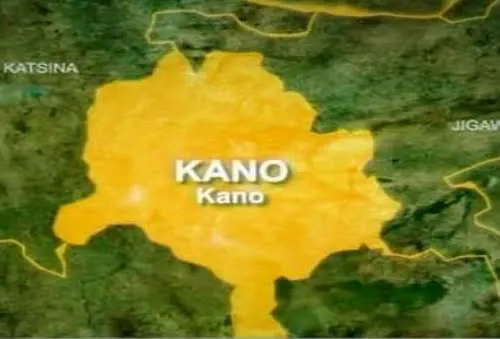
Residents of Fagge, a once serene residential neighborhood in Kano State, Nigeria, are facing a harsh reality as their community is rapidly transforming into a chaotic commercial hub. The area is overwhelmed by noise from offloading trucks, shouting traders, and roaring generator sets from dawn till dusk. This transformation has led to severe traffic gridlock, with heavy trailers occupying major thoroughfares, causing congestion and hazards for pedestrians.
The influx of roadside traders, unauthorized warehouses, and WAPA Bureau de Change operations has contributed to the erosion of Fagge's master plan, displacing residents along several roads. Residential homes are being converted into commercial spaces, apparently without formal change-of-use approvals. This unchecked commercialization has triggered five major urban crises, including severe gridlock, drainage blockage, and increased fears of theft, drug peddling, and social insecurity.
The community's plight has been compounded by the silence of their elected and appointed representatives, including Hon. Tukur Mohammed, Hon. Mohammed Bello Shehu, Abdulaziz Abdulaziz, and Hon. Yusuf Abdullahi Ata. Residents claim that these leaders have failed to intervene or engage the community on the challenges facing Fagge, instead focusing on upcoming election campaigns.
The transformation of residential zones into unrestricted trading centers has heightened fire risks, severe traffic bottlenecks, and environmental hazards, according to town planning experts. The area faces yearly drainage blockage caused by market waste, clogging drainage channels, and causing localized flooding and threatening housing structures during heavy rains.
The constant influx of non-residents and late-night commercial activity has raised fears of theft, drug peddling, social insecurity, and loitering among residents. The conversion of residential properties into shops and warehouses has destroyed neighborhood serenity and threatens total structural decay, raising the gradual sprawl of slums.
The health risks in Fagge are also escalating, with dust, diesel fumes from trucks, and uncollected refuse exacerbating respiratory risks and disease threats near residential zones and healthcare facilities, particularly the Muhammad Jidda General Hospital. Residents are forced to look both ways even on one-way lanes, and passage on foot has become hazardous.
Without direct government intervention to enforce zoning regulations and restore urban order, Fagge risks becoming another major case study in municipal planning failure. Residents are calling for urgent action to address the challenges facing their community, including infrastructure decay, youth unemployment, and out-of-school children.
Key points
- Fagge residents face severe traffic gridlock, rising insecurity, and crumbling infrastructure due to unchecked commercialization.
- Elected representatives have been accused of failing to intervene or engage the community on the challenges facing Fagge.
- Town planning experts warn that transforming residential zones into unrestricted trading centers heightens fire risks, severe traffic bottlenecks, and environmental hazards.