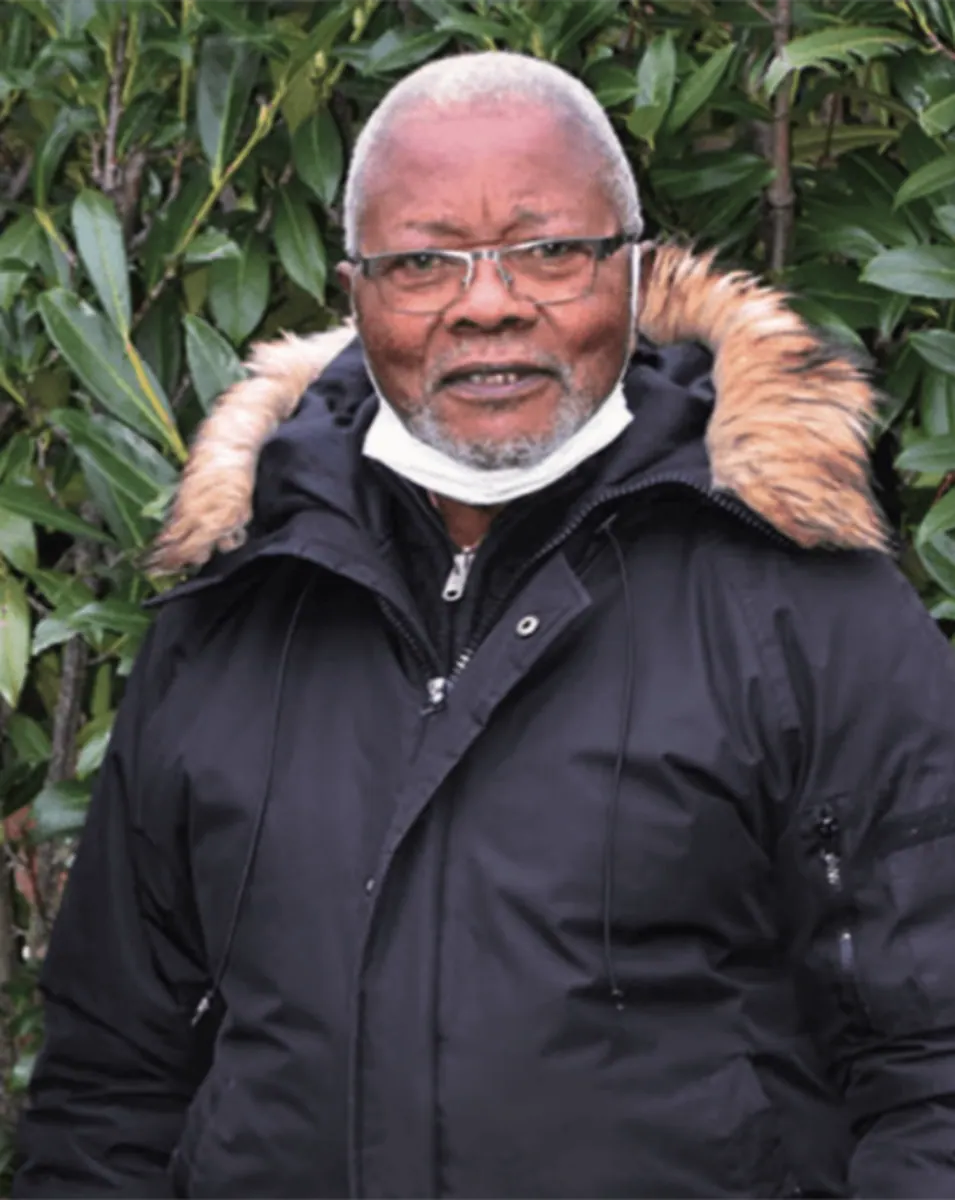
On November 24, 1965, a coup d'état led by Joseph-Desiré Mobutu overthrew President Joseph Kasa-Vubu, marking a significant turning point in Congolese history. Félix Mbayi Kalombo, a young officer at the time, was entrusted with the mission of escorting the deposed president's military convoy from Kinshasa to Boma. This event not only showcased Kalombo's loyalty to the new regime but also set the stage for his complex and often contentious career. As a key figure in the country's military and judicial landscape, Kalombo's actions and allegiances would have far-reaching consequences.
Throughout his career, Kalombo demonstrated an ability to adapt and navigate the intricate web of alliances and rivalries that defined Congolese politics. He later became a security advisor to Étienne Tshisekedi wa Mulumba, the prime minister elected by the Sovereign National Conference (CNS). However, it was revealed that Kalombo maintained ties to the dictatorial regime of Mobutu Sese Seko, earning him criticism and suspicion from those who opposed the regime. This led some to label him a "Judas Iscariot" due to his perceived betrayal.
In 1993, Kalombo's life took a dramatic turn when he was severely injured in an assassination attempt at his home. The attack, carried out by four armed men, left him with a bullet wound to the knee and stab wounds to the head and hand. Following the incident, Kalombo requested and was granted exile in Switzerland. Despite his physical absence from the country, Kalombo continued to be a figure of interest in Congolese politics, with many questioning his ability to move freely between Kinshasa and Switzerland.
Kalombo's later years were marked by a shift towards evangelism, with the former colonel becoming a self-proclaimed evangelist. He was often referred to as a "Colonel and Honorary Attorney General of the Republic." His complex legacy, marked by both military and judicial engagements, has been the subject of much debate and discussion. As a jurist and military officer, Kalombo played a significant role in documenting the evolution of Congo's elite military structures.
One of Kalombo's most notable contributions was his involvement in the transformation of the Presidential Special Brigade (BSP) into the Presidential Special Division (DSP) in 1986. This restructuring had significant implications for the country's military landscape and reflected the changing priorities of the Mobutu regime. Through his work, Kalombo provided valuable insights into the inner workings of Congo's military and political establishments.
Félix Mbayi Kalombo passed away in Kinshasa in June 2021, leaving behind a legacy that continues to be felt in the country. His life and career serve as a testament to the complexities and challenges of navigating Congo's turbulent history. As the country continues to grapple with its past and present, figures like Kalombo offer a unique perspective on the country's ongoing struggles and triumphs.
Key points about Félix Mbayi Kalombo's life and legacy include his role in escorting President Joseph Kasa-Vubu's military convoy to Boma following the 1965 coup d'état, his complex allegiances and ties to various regimes, and his later shift towards evangelism.
Key points
- Kalombo's involvement in the transformation of the BSP into the DSP in 1986.
- His role as a security advisor to Étienne Tshisekedi wa Mulumba.
- Kalombo's assassination attempt and subsequent exile in Switzerland.