Émile Zola, a renowned French author, was born on April 2, 1840, in Paris to an Italian engineer father and a French mother. His early life was marked by financial struggles, with his father passing away in 1847, leaving his mother to live on a meager pension. Zola's educational journey was also tumultuous, as he struggled in school and didn't learn to read and write until he was eight years old.
Zola's entry into the literary world began in 1862 when he started working as an apprentice in the Hachette publishing house. He quickly rose through the ranks to become the advertising manager, which served as a gateway to his career in journalism. At 22, he began writing articles on French politics and social issues. His first published work, "Contes à Ninon," was released in 1864, followed by his first novel, "Confession de Claude," in 1865, which didn't gain much traction.
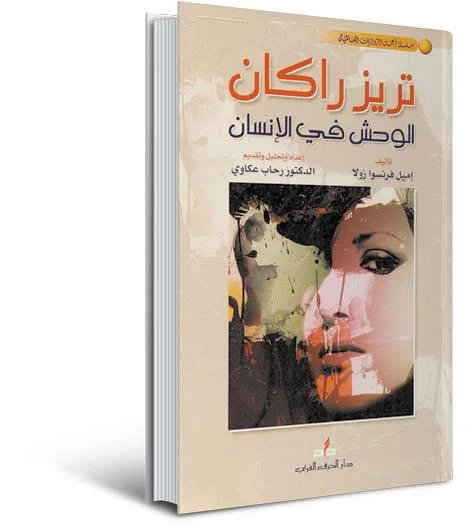
Zola's writing style underwent a significant transformation as he became interested in applying the concept of determinism to study social reality. He shifted his focus from romanticism to a more clinical approach, analyzing human behavior. This change was reflected in his novels "Madeleine Féra" and "Thérèse Raquin," published in 1867, which generated controversy and even led to him being taken to court.
The controversy surrounding his works didn't deter Zola; instead, it fueled his determination to pursue his literary project. He went on to write 20 novels over the next 25 years, including the famous series "Les Rougon-Macquart," which chronicled the struggles of French life and secured his position as a prominent literary figure. His involvement in the Dreyfus affair, where he defended a wrongly accused Jewish officer, further solidified his reputation as a champion of justice.
Zola's later years were marked by both success and turmoil. After returning from self-imposed exile in England, he continued to write, producing a new series of novels called "Les Évangiles." The series included "La Fécondité," "Le Travail," and "La Vérité," which aimed to promote family values, workers' rights, and truth. His untimely death on September 29, 1902, at the age of 62, has been met with speculation, with many believing it was not a natural accident.
One of Zola's most famous novels, "Thérèse Raquin," has had a lasting impact on literature and cinema. The novel, which revolves around a young woman's descent into depravity and crime, was initially met with shock and criticism but has since been translated into Arabic and adapted into several films. The Egyptian cinema has notably adapted the novel into three significant films, capturing the essence of the original story and localizing it within an Egyptian context.
Through his works, Zola left an indelible mark on literature and the world. His fearless approach to tackling taboo subjects and his commitment to social justice have inspired generations of writers and thinkers. As a testament to his legacy, his novels continue to be widely read and adapted, offering insights into the human condition and the complexities of society.
Key points
- Émile Zola's life was marked by both literary genius and personal turmoil
- His involvement in the Dreyfus affair solidified his reputation as a champion of justice
- Zola's legacy continues to inspire writers and thinkers around the world