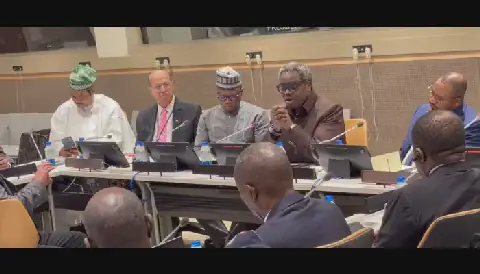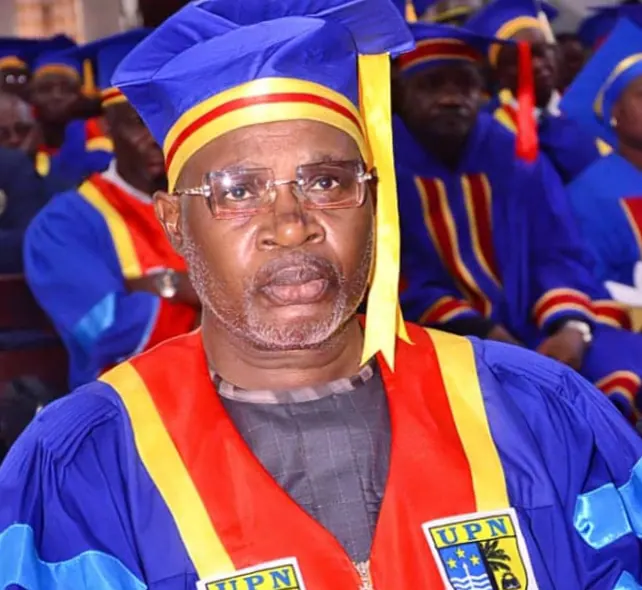
The Democratic Republic of Congo (DRC) has a complex and storied history that spans centuries. From its early days as the Kingdom of Kongo to its current status as a sovereign nation, the DRC has undergone numerous transformations. The country's name has changed several times, from Zaïre or Nzadi to its current designation. This evolution is a testament to the DRC's rich cultural heritage and its struggle for identity. According to Prof. Pascal Mukonde Musulay, understanding the DRC's past is crucial to grasping its present and future.
The DRC's geography plays a significant role in shaping its history and development. The country is the second-largest in Africa, covering an area of approximately 2.3 million square kilometers. Its diverse landscape features a vast rainforest, mountains, and savannas, making it a treasure trove of natural resources. The Congo River, one of the longest rivers in the world, runs through the heart of the country, providing a lifeline for its inhabitants. The DRC shares borders with several countries, including Angola, the Republic of Congo, and Tanzania.
The country's history has been marked by various influences, including Western and African powers. The DRC was a prized possession for colonial powers, who exploited its resources and imposed their systems on the local population. This legacy continues to impact the country's development, with many questioning the nature of the state and its institutions. Prof. Mukonde Musulay argues that the DRC's current state is a result of its complex past, which has led to a crisis of identity and purpose.
One of the key challenges facing the DRC is the absence of a national vision and consciousness. The country's diverse population, comprising over 450 ethnic groups, often prioritizes regional interests over national unity. This has led to chronic instability, poverty, and insecurity. The DRC has had various regimes, each with its own set of promises and policies, but the country remains plagued by the same issues. The lack of a cohesive national identity has hindered the country's progress.
The DRC's rich natural resources have been both a blessing and a curse. The country is endowed with vast mineral wealth, including cobalt, copper, and diamonds. However, the exploitation of these resources has often been linked to conflict, corruption, and human rights abuses. The international community has been accused of complicity in these issues, with some countries benefiting from the DRC's resources at the expense of its people.
The country's sociological composition is equally complex. The DRC is the fourth-most populous country in Africa, with approximately 106 million inhabitants. The population is diverse, with many ethnic groups and languages spoken across the country. However, this diversity has often been a source of tension, with some groups feeling marginalized or excluded from the country's development.
As the DRC looks to the future, it is clear that its past will continue to shape its trajectory. The country's leaders and citizens must confront the challenges of its complex history and work towards building a more cohesive and equitable society. This will require a nuanced understanding of the DRC's past, present, and future, as well as a commitment to creating a more just and prosperous society for all its citizens.
Key points
- The DRC's complex history and geography have significantly impacted its development and current state.
- The absence of a national vision and consciousness has hindered the country's progress.
- The exploitation of the DRC's natural resources has often been linked to conflict, corruption, and human rights abuses.