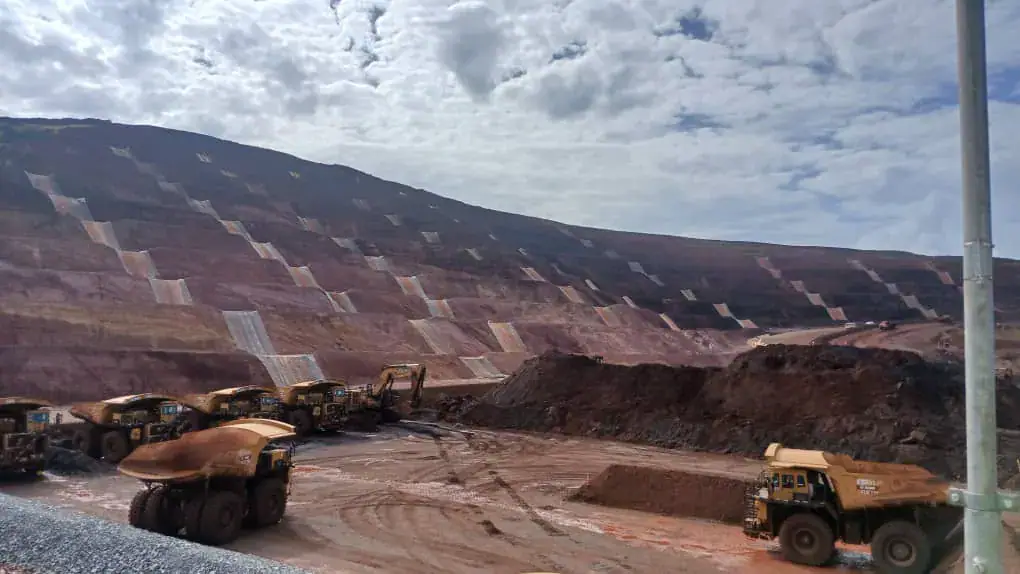
Rio Tinto Simfer recently hosted a two-day immersion for journalists from various Guinean media outlets, offering a behind-the-scenes look at the company's operations in the Simandou mountains. The event, held on October 28-29, provided a unique opportunity for media professionals to explore the different stages of iron ore production, from geological research to extraction, processing, and transportation. The journalists visited several strategic installations and met with technical experts responsible for implementing the project.
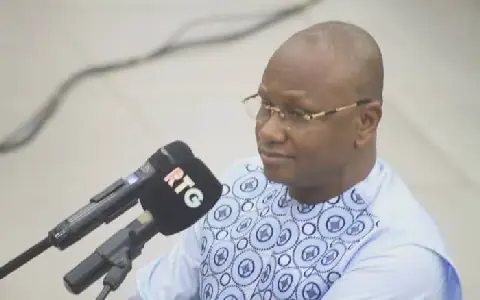
Located in southeastern Guinea, the Simandou mountains are home to one of the world's most significant iron ore deposits. According to Zézé Kalivogui, mining geology superintendent, the deposit is a result of millions of years of natural processes, including weathering and groundwater circulation. These processes have concentrated the iron ore, eliminating impurities like silica and aluminum. Kalivogui explained that Rio Tinto acquired the permit in 1997 and has since conducted extensive exploration work, including detailed mapping, geophysical surveys, and drilling campaigns.
The exploration efforts have yielded impressive results, with over 400 kilometers of drilling conducted to date. This work has enabled the creation of a detailed picture of the deposit's composition, with samples taken every two meters to analyze the ore's properties. The geological team uses this information to identify areas of high-grade ore and plan extraction accordingly. The Simandou deposit is considered a world-class asset, with Rio Tinto Simfer holding blocks 3 and 4 of the project.
In addition to exploring the mine, the journalists visited the Sabaty training center, which focuses on developing local skills for the project. The center, which welcomes between 500 and 700 trainees per week, offers a range of training programs, including theoretical and practical instruction. Mamadi Condé, training superintendent, highlighted the center's equipment, including six simulation cabins that allow trainees to practice operating heavy machinery.
The journalists also witnessed the crushing and processing of iron ore, which involves reducing the size of the ore blocks through a series of stages. Mohamed Fodé Condé, crushing supervisor, explained the process, which begins with primary crushing using a "sizer" before moving to secondary crushing and conveying the ore to further processing facilities. The goal is to achieve a specific granulometry for the next stages of production.
The final stage of the immersion involved visiting the facilities dedicated to preparing and loading the ore onto trains for transportation to the Moribaya port infrastructure. Georges Guilavogui, deputy project director at GPC, detailed the mechanism in place to feed the rail convoys, which involves two strategic platforms: the IOS storage area and the TLO loading area. The team uses scalpers to sort the ore and recover the desired material.
The visit provided valuable insights into the complexities of large-scale mining operations and the importance of careful planning, technical expertise, and local community engagement. With the project expected to make a significant contribution to Guinea's economy, the journalists' tour highlighted the attention to detail and commitment to responsible mining practices that Rio Tinto Simfer brings to the Simandou project.
Key points
- Rio Tinto Simfer's Simandou project involves extensive exploration, extraction, processing, and transportation of iron ore in Guinea's Simandou mountains.