In the late 1940s, the world witnessed a resurgence of debates on planetary limits, with scientists emphasizing that infinite growth on a planet with limited resources was unsustainable. The press of the time reflected this discussion, highlighting tensions between environmental protection, economic development, and individual freedoms. This period marked a crucial juncture in the evolution of ecological concerns, with scientists and thinkers sounding the alarm on the consequences of unchecked growth.
The mid-20th century saw concerns about environmental degradation, primarily focused on resource depletion rather than climate change. Despite two devastating world wars, the global population experienced rapid growth, doubling to 2.6 billion by 1950. Naturalists, geologists, and biologists expressed concerns about the impact on resources, particularly soil erosion, which threatened agricultural productivity. These concerns revived the ideas of economist Thomas Malthus, who argued in 1798 that agricultural production would be insufficient for a constantly growing population.
Geologist Raymond Furon was among the scientists sounding the alarm on soil erosion. On April 8, 1948, he warned in the French literary journal Les lettres françaises that famine threatened countries that did not combat erosion. Furon emphasized that the problem of feeding humanity had been treated by Malthus in the late 18th century and that the 1943 Hot Springs Conference in the United States had highlighted the need to increase food production by 150-200% to maintain population health. He pointed out that the growing population and reduction of cultivable land posed a grave problem.
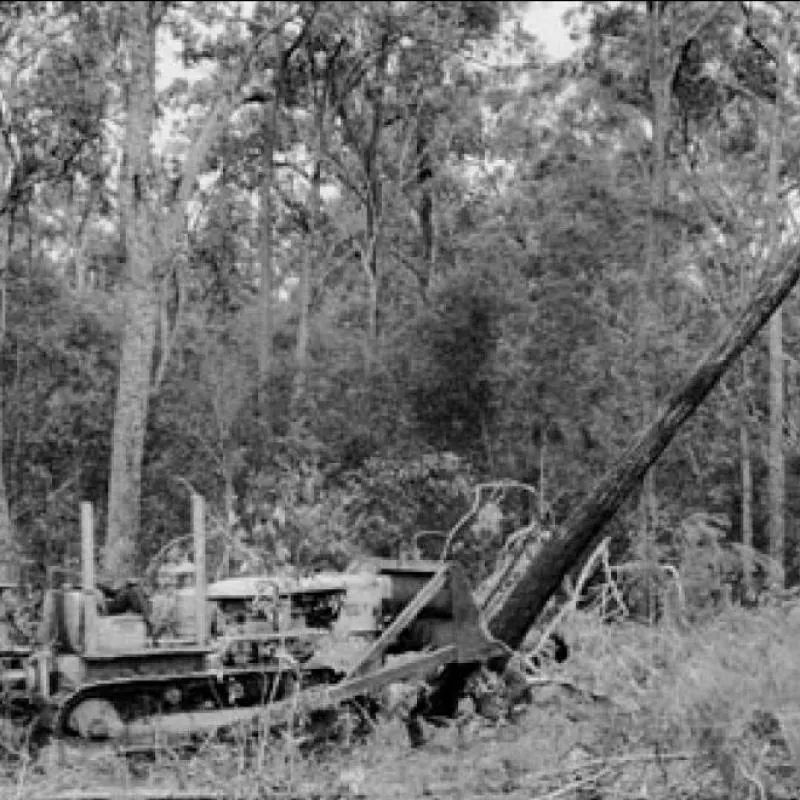
Furon's article highlighted the consequences of human activities on soil degradation, including deforestation, intensive farming, and overgrazing. He argued that these actions had devastating effects, including soil erosion, and that urgent action was needed to address the issue. Furon advocated for an international office of nature protection, which would conserve not just specific areas of scientific or tourist interest but the entire global soil. This idea materialized with the creation of the International Union for the Protection of Nature (IUPN) on October 5, 1948.
The IUPN, later renamed the International Union for Conservation of Nature (IUCN) in 1956, was established during a congress in Fontainebleau. The location was chosen as a tribute to the Barbizon school of painters. The IUPN aimed to address global environmental concerns, including the conservation of natural resources and the protection of ecosystems. This marked an important step towards international cooperation on environmental issues.
Fairfield Osborn and William Vogt were among the prominent thinkers who alerted the world to the issue of "the world's hunger." Osborn, an American ecologist, and Vogt, a biologist, emphasized the urgent need for sustainable practices to ensure global food security. Their work built on the concerns raised by Furon and others, highlighting the interconnectedness of population growth, resource depletion, and environmental degradation.
The discussions and debates of the late 1940s laid the groundwork for modern environmentalism, emphasizing the need for a balanced approach to economic development, social justice, and environmental protection. As the world grappled with the challenges of population growth, resource depletion, and environmental degradation, thinkers like Furon, Osborn, and Vogt played a crucial role in shaping the global agenda on ecological concerns.
Key points
- The establishment of the International Union for the Protection of Nature (IUPN) in 1948 marked a significant milestone in international cooperation on environmental issues.