Death is a universal human experience, yet the way people bid farewell to their loved ones differs significantly from one culture to another. In some countries, funerals are somber occasions for mourning and saying goodbye, while in others, they transform into celebrations filled with music, dance, and feasting. These diverse rituals often reflect a community's history, values, and spiritual beliefs.
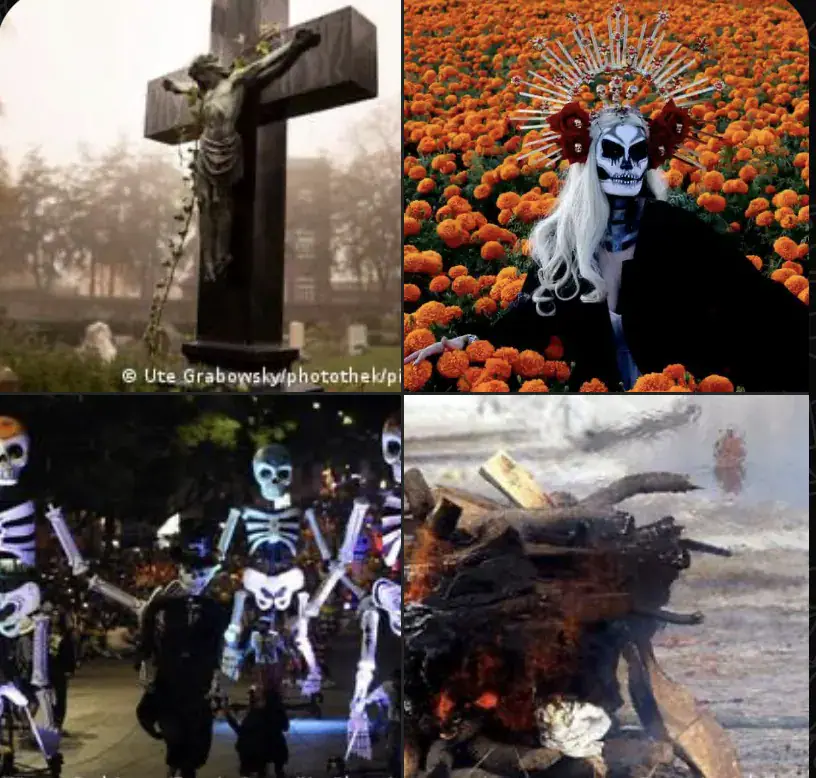
In Mexico, the Day of the Dead, celebrated from October 31 to November 2, honors the deceased by welcoming their spirits back to visit their families. Altars are decorated with yellow flowers, photographs of the deceased, and favorite foods and drinks. Families visit cemeteries, clean and adorn graves with flowers, and hold festivities, including music, dance, and food. This tradition has its roots in the beliefs of the indigenous people of Mexico.
In contrast, Tibetan funeral rituals involve a sky burial, where the deceased's body is left for vultures to consume. This practice is believed to liberate the soul and allow it to continue the cycle of nature. In Hinduism, cremation is a common practice, especially on the banks of the sacred Ganges River in India. The ashes are then scattered in the river, believed to help the soul achieve liberation from the cycle of birth and death.
Ghanaian coffins are often not just simple boxes but are crafted to symbolize the deceased person's profession or life. For example, a coffin might be shaped like a guitar for a musician or a beer bottle for a beer enthusiast. In Indonesia, the Toraja people may keep a deceased family member's body at home for weeks or even years until they can afford a grand funeral, which includes the sacrifice of water buffalo and other rituals.
In Madagascar, the Famadihana festival involves exhuming the bodies of ancestors, rewrapping them in new silk cloth, and dancing with them to live music. This ritual is repeated every 3 to 7 years. In Japan, the Obon festival, held in August, honors the spirits of ancestors, who are believed to return to visit their families. Lanterns are lit to guide the spirits.
Taiwanese funerals can be elaborate affairs, with decorated trucks carrying the coffin, accompanied by dancers performing in honor of the deceased. Despite the vast differences in these customs, they share a common thread – the desire to maintain a connection with the deceased and honor their memory.
These diverse funeral rituals highlight the creativity and complexity of human culture. They demonstrate that, while death is a universal experience, the ways in which we cope with and celebrate it are uniquely shaped by our cultural backgrounds. By exploring these customs, we can gain a deeper appreciation for the rich tapestry of human experience and the many ways in which we seek to honor and remember our loved ones.
Key points
- Funeral rituals vary greatly across cultures, reflecting a community's history, values, and spiritual beliefs.
- Many cultures believe in honoring the deceased by welcoming their spirits back to visit their families.
- Despite differences, these customs share a common thread – the desire to maintain a connection with the deceased and honor their memory.