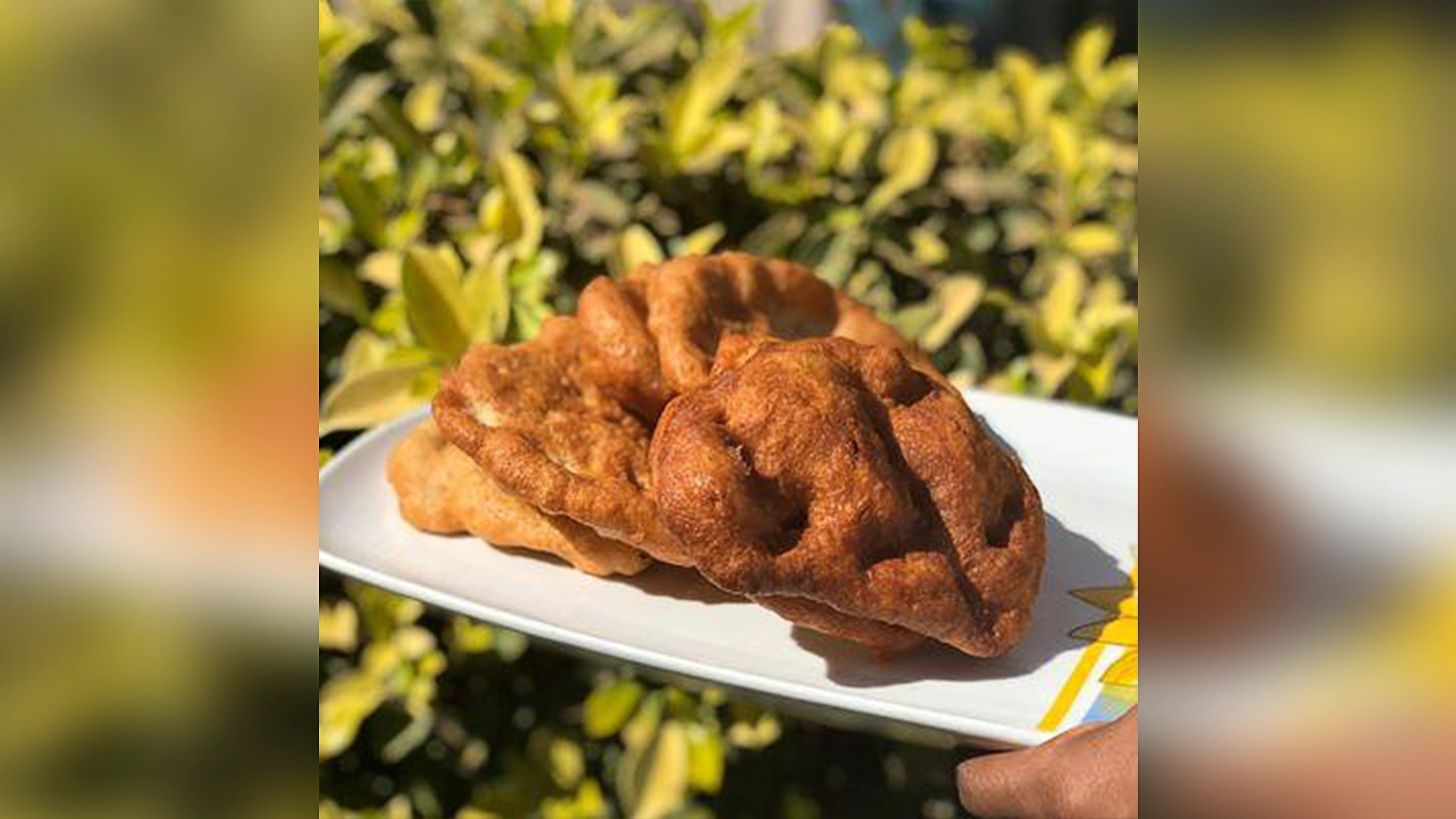
In Kano, Nigeria, food plays a significant role in everyday life, reflecting the city's rich Hausa culture. Traditional dishes such as waina, tuwo, and soup are staples in the city, showcasing the use of local ingredients like rice, millet, maize, beans, groundnuts, meat, and baobab leaves. These ingredients have been used in Northern Nigerian cuisine for a long time. The city's food scene is a vital part of its identity, with many dishes still prepared at home and sold by local vendors.
Kano's culinary landscape boasts over 20 traditional foods, according to the National Institute for Cultural Orientation. Some popular dishes include tuwo dawa, tuwon masara, tuwo shinkafa, wainar shinkafa, danwake, gurasa, funkaso, miyan kuka, and miyan taushe. Visitors to the city can explore these dishes at local markets and food establishments. The old city walls, busy markets, mosques, and crowded streets are not the only attractions; food is also a major draw. Kano's food culture is shaped by its history and cultural influences.
Waina, also known as wainar shinkafa, is a traditional rice cake made from fermented batter and cooked in a round, dimpled pan. The finished cakes are soft inside with lightly browned edges, often served with pepper, yaji, or a sauce. In Yan Awaki, a popular spot in the old city, masa sellers prepare waina in the morning, often cooking them as customers wait. This dish is a great representation of Kano's food culture, with its unique flavor and texture.
Tuwo and soup are another popular combination in Kano. There are various types of tuwo, including tuwo shinkafa made from rice, and tuwo dawa and tuwo masara prepared from grains like guinea corn and maize. The smooth, firm mound of tuwo is usually served with generous portions of soup, such as miyan kuka made with powdered baobab leaves. Miyan taushe, made with pumpkin and groundnuts, has a richer, nuttier taste. This dish is a staple in Kano, with many variations and flavors.
Danwake, a small dumpling made from cereal and bean flours, is a casual meal option in Kano. Cooked and served with pepper, oil, and other seasonings, danwake is inexpensive and filling. Groundnut oil and kuli-kuli may also be added for extra flavor. Visitors can find food sellers serving danwake and watch it being prepared. The amount of pepper can be adjusted to taste, making it a great option for those who like spicy food.
Gurasa, Kano's traditional flatbread, is made from fermented dough and cooked in a clay oven. Soft and slightly chewy, gurasa can be eaten with soup, meat, groundnuts, or other accompaniments. With a history linked to people who came to Kano from other parts of the Islamic world, gurasa has been part of the city's food culture for generations. Jakara Yan Gurasa is associated with the making and selling of this bread, which is best enjoyed warm, fresh from the oven.
For a unique drink experience, visitors can try fura da nono, a mixture of small balls made from pounded millet and fermented cow's milk. Served from calabashes by roadside sellers and market vendors, fura da nono is a thick drink with a slightly sour taste. Kofar Wambai is one of the places where it can be found. Other traditional dishes to try include kilishi, a dried and seasoned meat snack, and funkaso, a fried pancake-like food made from flour.
Key points
- Kano's traditional dishes showcase the city's rich Hausa culture and use of local ingredients.
- Visitors can explore Kano's food scene at local markets and food establishments.
- The city's culinary landscape boasts over 20 traditional foods.