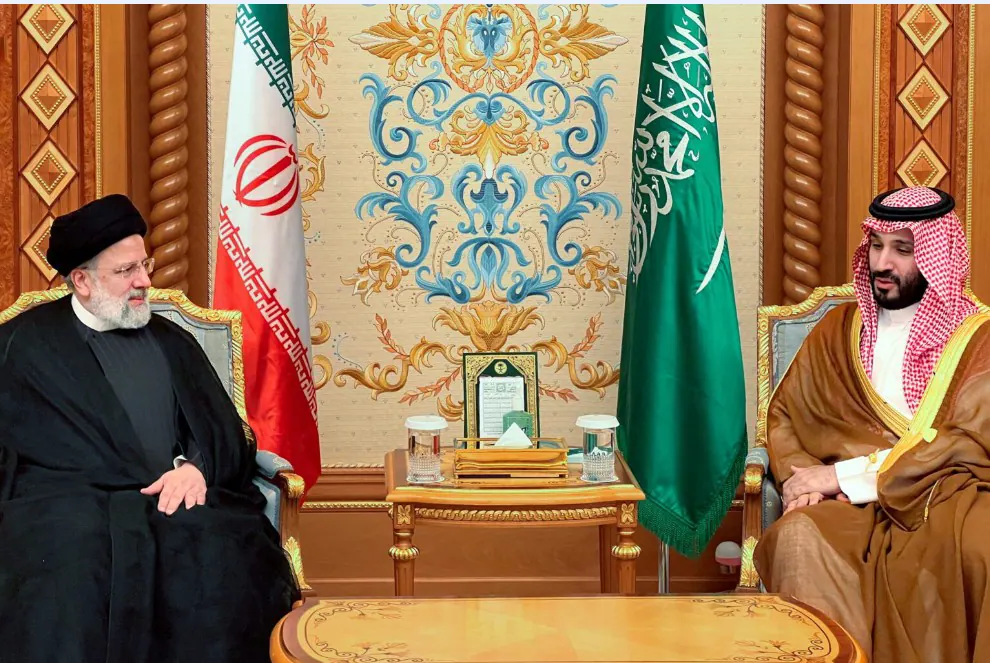
In a recent article, Abdulrahman Al-Rashid presented a thought-provoking analysis comparing the concepts of power and development models in Saudi Arabia and Iran. Al-Rashid argued that the two nations have chosen distinct paths to build their strength, with Saudi Arabia focusing on economic power and state development, while Iran has prioritized military might and external influence. This dichotomy raises essential questions about the nature of power and its implications for regional dynamics.
Al-Rashid's analysis highlights that Saudi Arabia and Iran are two major oil-producing countries with divergent strategies. Saudi Arabia has invested heavily in its economy and infrastructure, whereas Iran has concentrated on building its military capabilities and expanding its external influence. This difference in approach has significant implications for regional stability and the balance of power in the Middle East.
The article also touches on the notion that Iran's military prowess is often overstated, and that its ability to project power is limited. In contrast, Saudi Arabia's economic strength and infrastructure development have positioned it as a major player in the region. However, Al-Rashid notes that Saudi Arabia is unlikely to engage in a large-scale conflict with Iran, citing the Kingdom's interest in maintaining peace and stability.
Meanwhile, Jordanian writer Bassam Al-Badarine has criticized the diplomatic efforts of US embassies in Arab capitals, accusing them of being insincere and superficial. Al-Badarine argues that American diplomats often prioritize maintaining a positive image over genuinely engaging with local populations and understanding their concerns. This criticism raises questions about the effectiveness of US diplomacy in the region.
Dr. Amr Mansour, a researcher, has written about the global energy crisis, highlighting the complexities of the current situation. Mansour notes that the ongoing conflict between the US and Iran, coupled with Houthi attacks on Saudi energy facilities and Ukrainian strikes on Russian refineries, has created a perfect storm in the energy market. As the world grapples with the implications of this crisis, Mansour argues that the outcome of the US midterm elections will be crucial in shaping the future of energy production and trade.
In a separate article, Dr. Atef Abdullah emphasized the importance of skills development in the modern economy. Abdullah argues that traditional notions of education and experience are no longer sufficient, as the global job market demands adaptability and continuous learning. He contends that countries that invest in developing their workforce's skills will be better positioned to attract investment, drive innovation, and compete in the knowledge economy.
The shifting landscape of global politics and economics has significant implications for regional dynamics and international relations. As experts continue to weigh in on the complexities of power and influence, one thing is clear: the Middle East remains a critical player in shaping the global agenda. The region's ongoing challenges and opportunities will require innovative solutions, strategic thinking, and a deep understanding of the intricate web of interests and alliances at play.
Key points
- The differing approaches of Saudi Arabia and Iran to building power have significant implications for regional stability and dynamics.
- The global energy crisis has created a complex and uncertain environment, with far-reaching implications for economies and populations worldwide.
- The development of skills and adaptability is crucial for countries to remain competitive in the modern economy and drive innovation.