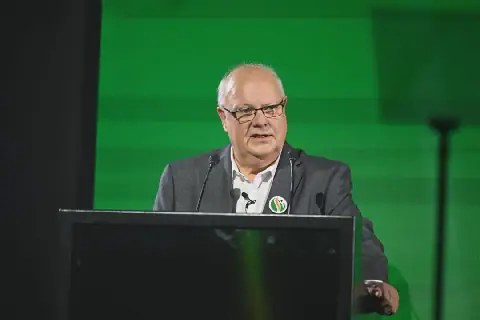
Mental health experts in Nigeria have expressed concern that the country's culture of "suffering and smiling" may be masking emotional distress and discouraging people from seeking help. They made these comments at the maiden Nigerian Mental Health Summit, organized to commemorate World Mental Health Day. The virtual event focused on lived experiences, migration, cultural expectations, and the need for more responsive mental health support. Experts emphasized the importance of a culturally sensitive approach to mental healthcare.
According to Kehinde Ekpudu, a clinical social worker based in Canada, Nigerians' emphasis on strength, endurance, and resilience can make it difficult for people to recognize when they need help. She noted that people experiencing emotional distress often use phrases such as "I'm just tired" or "It is well" without addressing their internal struggles. Ekpudu explained that while cultural identity, family, and faith can provide emotional support, they can also reinforce expectations that people must remain strong despite their struggles.
Ekpudu, who spoke on Nigerian immigrant mental health, identity, and the brain, highlighted the challenges faced by immigrants who have to adjust to unfamiliar environments, new social expectations, and different professional systems. She observed that migration can compound emotional exhaustion, loneliness, and unmet expectations. Ekpudu cautioned against assuming that outward success or the ability to fulfill family and professional responsibilities means a person is emotionally healthy.
The National Mental Health Programme Coordinator at the Federal Ministry of Health, Dr. Tunde Ojo, disclosed that the ministry is working towards large-scale destigmatization of mental health conditions. He announced the creation of a dedicated brain health desk under the National Mental Health Programme, which will coordinate brain health-related activities and develop a national brain health development agenda. Ojo emphasized the need for coordination to strengthen the country's approach to brain health.
The convener of the Nigerian Mental Health Summit, Oluyinka Oyeniji, stressed the need for a coordinated national approach to mental healthcare that reflects Nigerians' diverse experiences and backgrounds. He said efforts are ongoing towards establishing a Mental Health Commission at the federal level. Oyeniji noted that Lagos and Ekiti are the only states that have enacted mental health laws, while the Federal Government's Nigeria Mental Health Act, 2023, is undergoing necessary amendments.
Philip Jakpor, the Executive Director of the Renevlyn Development Initiative, said the summit came at a time when Nigerians are facing several pressures capable of affecting their mental well-being. He pledged continued collaboration with the Human Rights Foundation to raise awareness of mental health issues and promote public engagement. Jakpor expressed optimism that the inaugural engagement would provide a foundation for sustained discussions and broader public awareness.
The World Health Organisation commemorates World Mental Health Day annually on October 10. The theme for this year's observance is "Lived experiences heard: real voices, real change." Experts and stakeholders are calling for a more responsive and culturally sensitive approach to mental healthcare in Nigeria, highlighting the need for a coordinated national effort to address mental health challenges.
Key points
- Experts warn that Nigerians' culture of "suffering and smiling" may conceal emotional distress and discourage people from seeking help.
- The Nigerian government is working towards large-scale destigmatization of mental health conditions and has created a dedicated brain health desk under the National Mental Health Programme.
- A coordinated national approach to mental healthcare that reflects Nigerians' diverse experiences and backgrounds is necessary to address mental health challenges.